Блог

  • MCH – average hemoglobin content

    MCH – average hemoglobin content

    MCH (Mean Corpuscular Hemoglobin) – the average hemoglobin content in the red blood cell

    MCH is a measure that reflects how much hemoglobin is contained on average in one red blood cell. It helps to assess the ability of the blood to carry oxygen and is used to diagnose various types of anemia.

    Norm of MCH in the blood test

    • Adults and children: 27-34 picograms (pg) per red blood cell
    • Newborns: 32-36 pg (usually higher than adults)

    The role of MCH in the body

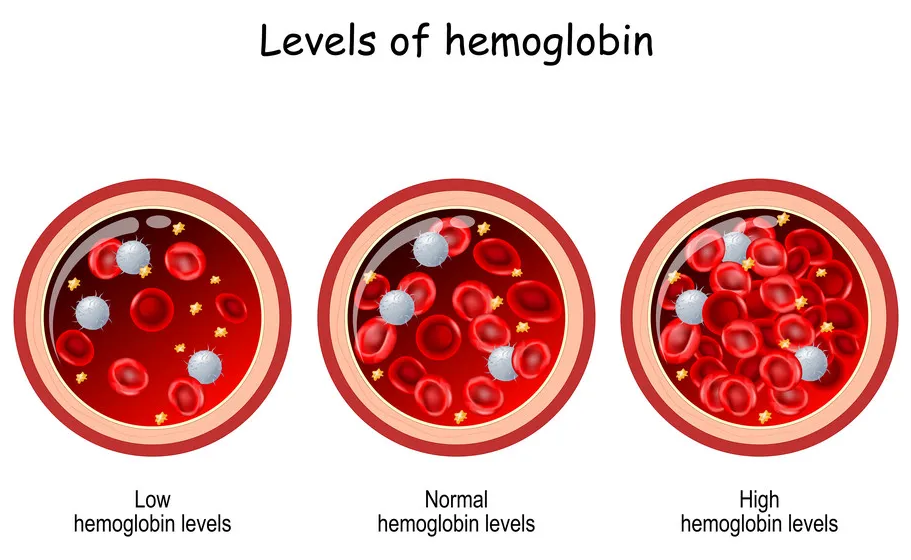
    Hemoglobin is a protein that binds oxygen and delivers it to tissues. MCH shows how much red blood cells are saturated with hemoglobin:

    • Normal value (27-34 pg) – red blood cells carry oxygen efficiently.
    • Elevated MCH (>34 pg) – hyperchromia (excess of hemoglobin in cells).
    • Low MCH (<27 pg) – hypochromia (lack of hemoglobin, most often due to iron deficiency).

    Abnormal behavior: symptoms and causes

    1. Elevated MCH (hyperchromic anemia)

    Reasons:

    • Vitamin B₁₂ or folic acid deficiency -red blood cells increase (macrocytosis) and contain more hemoglobin.
    • Liver diseases – protein synthesis, including hemoglobin, is disrupted.
    • Hypothyroidism -slowing down the metabolism affects hematopoiesis.
    • Alcoholism is a toxic effect on the bone marrow.

    Symptoms:

    • Weakness, fatigue
    • Pallor with slight jaundice (due to destruction of large red blood cells)
    • Numbness and tingling in the extremities (with B₁₂ deficiency)
    • Glossitis (inflammation of the tongue)

    2. Low MCH (hypochromic anemia)

    Reasons:

    • Iron deficiency anemia (the most common cause) — low iron → low hemoglobin.
    • Thalassemia is a hereditary disorder of hemoglobin synthesis.
    • Chronic diseases (kidney failure, inflammation).
    • Lead poisoning -blocks the synthesis of heme.

    Symptoms:

    • Weakness, dizziness
    • Pale skin, brittle nails and hair
    • Shortness of breath during exercise
    • Picacism (strange taste preferences – the desire to eat ice, clay, chalk)

    Diagnosis and treatment

    • A general blood test (UAC) is the main method.
    • Additional information: ferritin, iron, vitamin B₁₂, folic acid.
    • Treatment depends on the cause:
    • For iron deficiency – iron supplements + vitamin C for better absorption.
    • In case of B₁₂/folate deficiency – b₁₂ injections or folic acid intake.
    • In case of chronic diseases-correction of the main pathology.

    Important: MCH is evaluated together with MCV (red blood cell size) and MCHC (red blood cell hemoglobin concentration) to accurately diagnose the type of anemia.

    Examples of interpretation:

    ParameterIron-deficiency anemiaVitamin B₁₂-deficiency anemia
    MCH↓ (<27 pg)↑ (>34 pg)
    MCV↓ (<80 fL)↑ (>100 fL)
    MCHC↓ (<320 g/L)Normal or ↓
  • Creatine Kinase (creatine phosphokinase)

    Creatine Kinase (creatine phosphokinase)

    The role of creatine kinase (CK) in the body

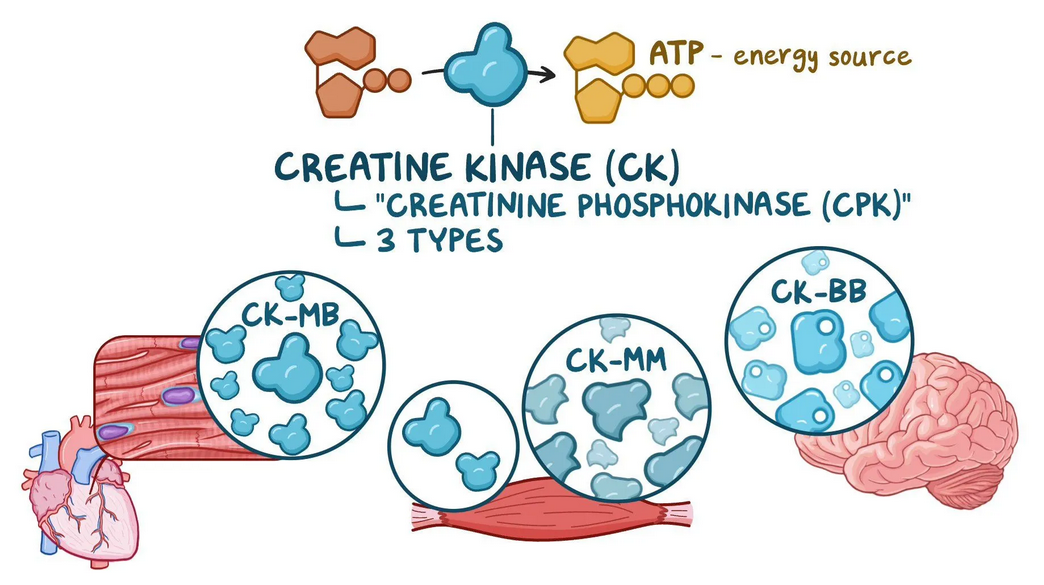
    Creatine kinase is a key enzyme of energy metabolism, especially important for muscles and the brain. It catalyzes the conversion of creatine to creatine phosphate – the’ energy currency ‘ of cells.

    Main functions:

    1. Energy supply to muscles (skeletal, cardiac)
    2. Maintaining the nervous system
    3. Regulation of cellular metabolism
    4. Marker of cell damage (in case of heart attack, injuries)

    There are 3 isoforms:

    • CK-MM (muscle) – 95% of the total level
    • CK-MB (cardiac) – 5%, increases in case of heart attack
    • CK-BB (brain) – almost undetectable in normal conditions

    The norm of CPK in the blood test

    GroupReference range (U/L)
    Men38–174
    Women26–140
    ChildrenUp to 2 years: 50–400
    2–17 years: 30–200

    Note: References depend on the analysis method. After physical activity, an increase of 2-3 times is possible.


    Reduced CPK (Hypocreatine Kinasemia)

    Reasons:

    • Physical inactivity
    • Taking statins
    • Pregnancy (physiological decline)
    • Rare genetic diseases

    Symptoms:
    Usually absent, but in hereditary forms there may be:

    • Muscle weakness
    • Rapid fatigue
    • Convulsions

    Increased CPK (Hypercreatine Kinasemia)

    Critical levels:

    • > 500 U / L – significant muscle damage
    • > 5000 U / L – rhabdomyolysis (risk of kidney failure)

    Main reasons:

    1. Myocardial infarction (CK-MB >6% of total CPK)
    2. Injuries/Surgeries
    3. Myositis (muscle inflammation)
    4. Taking statins
    5. Convulsive seizures

    Symptoms:

    • Muscle weakness
    • Muscle pain
    • Dark urine (with rhabdomyolysis)
    • Shortness of breath (in case of a heart attack)

    What should I do if there are deviations?

    • When the CPK increases:
    1. Exclude infarction (ECG, troponin)
    2. Urinalysis for myoglobin
    3. Discontinue statins (if taken)
    4. With CPK > 1000 U/L -urgent hospitalization!
    • If the CPK is lowered:
      Usually does not require treatment, but for muscle weakness — consult a neurologist.

    Important: After an intense workout, you need to wait 48 hours before taking the test!

  • Basophils (BASO)

    Basophils (BASO)

    The role of basophils (BASO) in the body

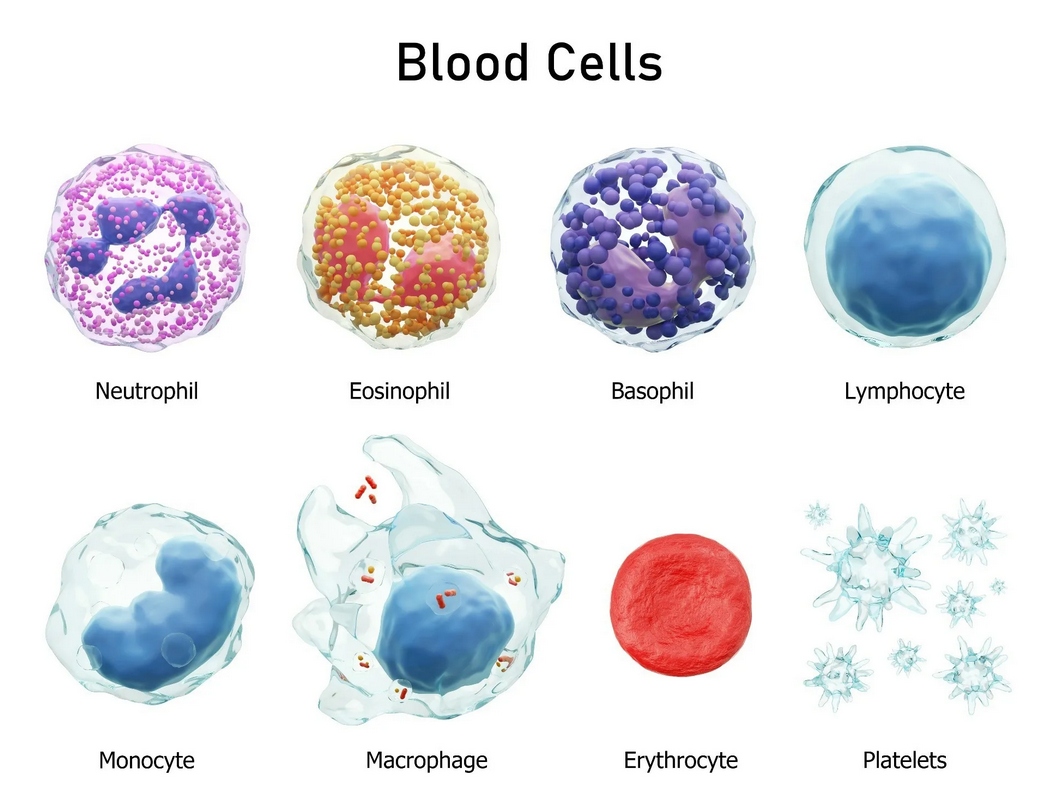
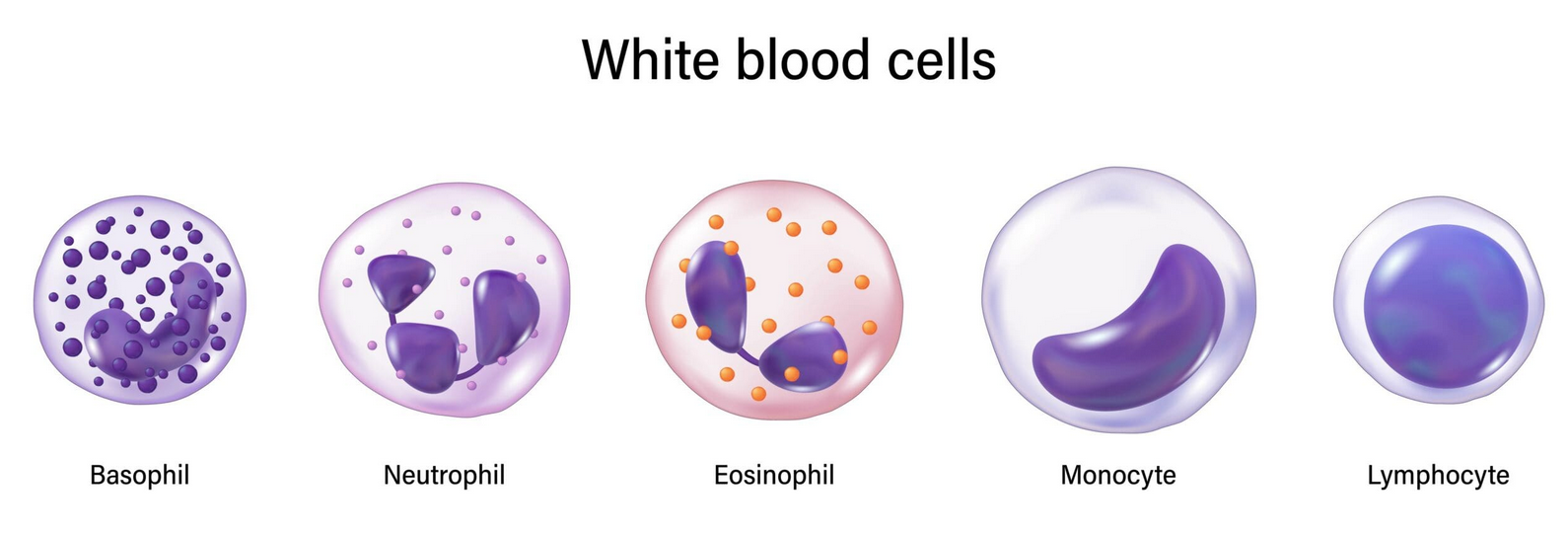
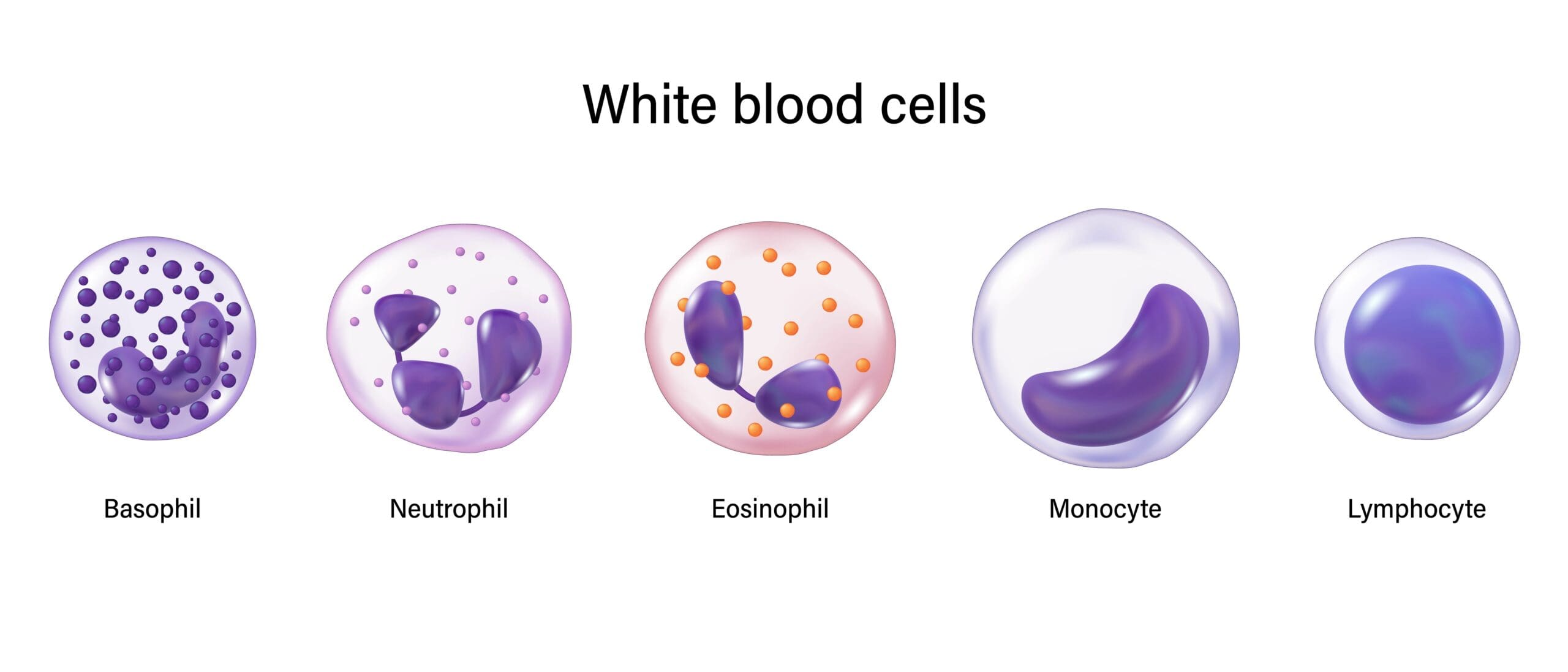
    Basophils are the rarest white blood cells (0-1% of WBC), but extremely important ‘signalers’ of the immune system. They contain granules with histamine and heparin.

    Key features:

    1. Triggering allergic reactions (histamine release)
    2. Anticoagulant action (heparin)
    3. Control of parasites
    4. Involvement in inflammatory processes
    5. Regulation of the immune response

    Norm of basophils in the blood test

    ParameterAbsolute value (×10⁹/L)Percentage of WBC
    Adults0.01–0.0650–1%
    Children0–0.10–1.5%

    Note: A physiological increase is possible during ovulation in women.


    Reduced basophils (Basopenia)

    Critical level: 0 × 10⁹/L (often not clinically relevant)

    Main reasons:

    • Acute stress
    • Hyperthyroidism
    • Acute infections
    • Taking corticosteroids
    • Pregnancy

    Symptoms:
    Usually absent, they can disguise themselves as the underlying disease


    Elevated basophils (Basophilia)

    Significant increase: >0.1 ×10⁹/l

    Main reasons:

    1. Allergic reactions
    2. Chronic inflammation
    3. Hematological diseases
    4. Endocrine disorders
    5. Autoimmune processes

    Typical symptoms:

    • Skin pruritus, urticaria
    • Redness of the skin
    • Suffocation attacks (with allergies)
    • Joint pain (due to autoimmune processes)
    • Enlargement of the spleen (in hematological diseases)

    What should I do if there are deviations?

    With basophilia:

    1. Allergological examination
    2. IgE Analysis
    3. Elimination of chronic inflammation (CRP)
    4. Consultation of a hematologist with a persistent increase in blood pressure
    5. Bone marrow examination for suspected leukemia

    For basopenia:

    1. Usually does not require treatment
    2. Monitoring when taking hormonal medications
    3. Thyroid function study

    Important: Basophilia >2% requires special attention — it can be an early sign of myeloproliferative diseases!

  • Eosinophils (EOS)

    Eosinophils (EOS)

    The role of eosinophils (EOS) in the body

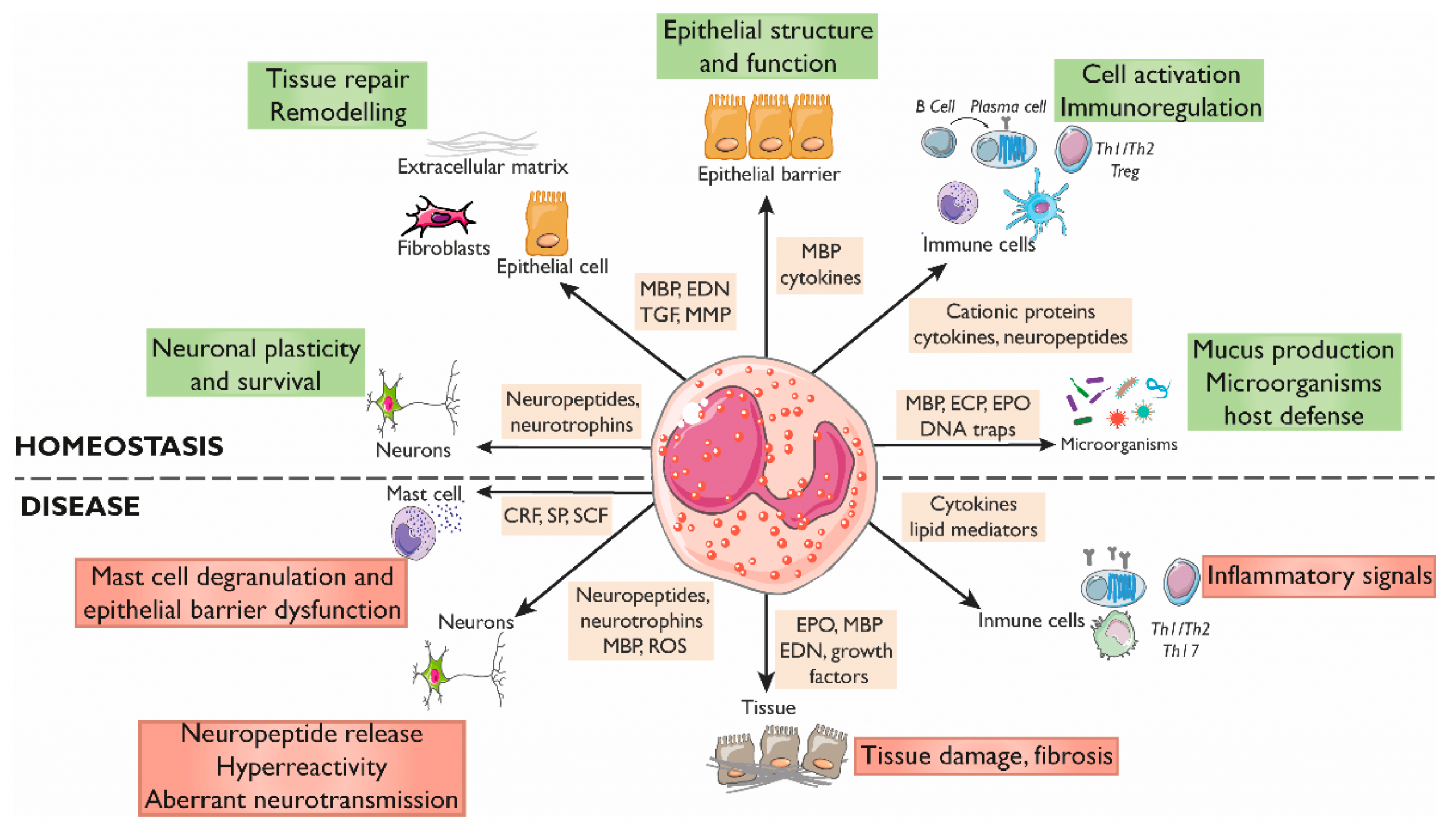
    Eosinophils are specialized white blood cells (1-5% of WBC), the main ‘fighters’ against parasites and regulators of allergic reactions. They contain granules with proteins that are toxic to parasites.

    Key features:

    1. Antiparasitic protection (helminths, protozoa)
    2. Participation in allergic reactions
    3. Regulation of inflammation
    4. Impact on healing processes
    5. Antitumor activity

    Norm of eosinophils in the blood test

    ParameterAbsolute value (×10⁹/L)Percentage of WBC
    Adults0.02–0.50.5–5%
    Children0.05–0.71–7%
    Newborns0.02–0.851–8%

    Note: The level may fluctuate during the day (maximum at night).


    Reduced eosinophils (Eosinopenia)

    Critical level: <0.01 ×10⁹/L

    Main reasons:

    • Acute stress
    • Bacterial infections
    • Taking corticosteroids
    • Cushing’s Syndrome
    • Acute appendicitis

    Symptoms:
    There are no specific symptoms, but it may occur:

    • Aggravation of the course of allergies
    • Reduced parasite resistance
    • General weakness

    Elevated eosinophils (Eosinophilia)

    Degrees of severity:

    • Light weight: 0.5-1.5 ×10⁹/l
    • Moderate: 1.5-5 × 10⁹/l
    • Expressed: >5 × 10⁹/l

    Main reasons:

    1. Allergic diseases (asthma, pollinosis)
    2. Parasitic infestations
    3. Autoimmune diseases
    4. Hematological diseases
    5. Oncological processes

    Typical symptoms:

    • Skin rashes, itching
    • Cough, bronchospasm
    • Gastrointestinal tract damage (diarrhea, pain)
    • Heart disease (Leffler’s endocarditis)
    • Neurological disorders

    What should I do if there are deviations?

    For eosinophilia:

    1. Analysis of feces for worm eggs
    2. Allergy tests (IgE general)
    3. X-ray of the lungs (Leffler’s syndrome)
    4. Tissue biopsy at persistent elevation >1.5 × 10⁹/l
    5. Consultation with a hematologist at a level >5 × 10⁹/l

    With eosinopenia:

    1. Exclusion of acute infection
    2. Evaluation of drug therapy
    3. Control analysis after 2 weeks

    Important: Eosinophilia >20% requires urgent examination to rule out hypereosinophilic syndrome — a dangerous condition with damage to internal organs!

  • Monocytes (MONO)

    Monocytes (MONO)

    The role of monocytes (MONO) in the body

    Monocytes are the largest white blood cells (3-10% of the WBC) that act as ‘janitors’ and ‘conductors’ of the immune system. These are the only blood cells that can turn into macrophages — ‘eaters’ of infections.

    Main functions:

    1. Phagocytosis — absorption of bacteria, fungi, dead cells
    2. Presentation of antigens — training of other immune cells
    3. Regulation of inflammation — cytokine production
    4. Control of chronic infections (tuberculosis, syphilis)
    5. Participation in tissue regeneration

    Norm of monocytes in the blood test

    ПоказательАбсолютное значение (×10⁹/л)Процент от WBC
    Взрослые0.1-0.83-10%
    Дети0.05-1.12-12%
    Беременныедо 1.0до 12%

    Reduced monocytes (Monopenia)

    Critical level: <0.04 ×10⁹/L

    Main reasons:

    • Aplastic anemia
    • Leukemias
    • Purulent bacterial infections
    • Taking corticosteroids
    • Chemotherapy

    Symptoms:

    • Frequent bacterial infections
    • Long-term wound healing
    • General weakness
    • Increased bleeding

    Elevated monocytes (Monocytosis)

    Reasons:

    1. Chronic infections (tuberculosis, brucellosis)
    2. Autoimmune diseases
    3. Hematological diseases
    4. Oncological processes
    5. Recovery period after infections

    Symptoms:

    • Long-term subfebrility
    • Enlarged lymph nodes
    • Night sweats
    • Weight Loss
    • Joint pain

    What should I do if there are deviations?

    With monocytosis:

    1. Exclude tuberculosis (Mantoux test, quantiferon test)
    2. Check for autoimmune diseases (ANF, CRP)
    3. Ultrasound of internal organs
    4. Consultation with a hematologist at a level >1.0 × 10⁹/l

    When filling in:

    1. Bone marrow analysis
    2. HIV testing
    3. Evaluation of drug therapy
    4. Monitoring every 2-4 weeks

    Important: Isolated changes in the level of monocytes are rarely of clinical significance — it is important to evaluate them in conjunction with other blood parameters!

  • Lymphocytes (LYPH)

    Lymphocytes (LYPH)

    The role of lymphocytes in the body

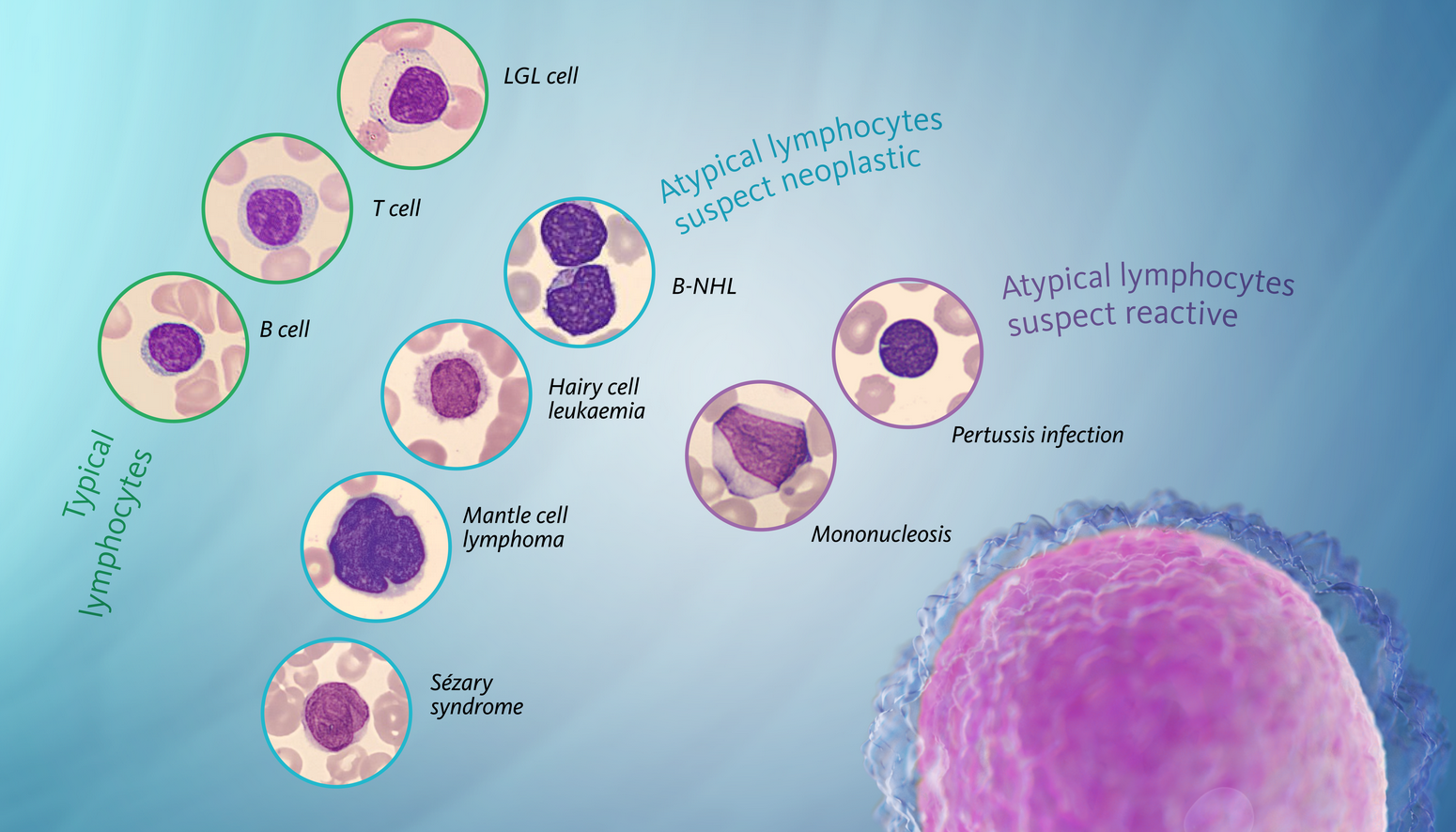
    Lymphocytes are the main ‘intellectuals’ of the immune system (20-40% of the WBC), responsible for the accurate immune response. . These are key cells for fighting viruses, cancer and forming immune memory.

    Types and functions:

    1. B-lymphocytes -produce antibodies (immunoglobulins).
    2. T-lymphocytes -destroy infected and cancerous cells.
    3. NK cells -kill tumors and viruses without ‘training’.

    Norm of lymphocytes in the blood test

    ParameterAbsolute value (×10⁹/L)Percentage of WBC
    Adults1.0 – 4.820–40%
    Children under 6 years2.0 – 8.040–70%
    Adolescents1.2 – 5.230–50%

    Note: In pregnant women, a reduction of up to 18-20% is acceptable.


    Reduced lymphocytes (Lymphopenia)

    Critical level: < 0.8 ×10⁹/l (severe immunodeficiency).

    Reasons:

    • Viruses (COVID-19, HIV, hepatitis).
    • Autoimmune diseases (SLE, rheumatoid arthritis).
    • Taking immunosuppressants (after transplantation).
    • Radiation/chemotherapy.
    • Stress, malnutrition.

    Symptoms:

    • Frequent viral and fungal infections (herpes, thrush).
    • Exacerbation of chronic diseases.
    • Weight loss + constant weakness.
    • Children have developmental delays.

    Elevated lymphocytes (Lymphocytosis)

    Reasons:

    1. Viral infections (mononucleosis, measles, chickenpox).
    2. Tuberculosis, toxoplasmosis.
    3. Leukemias (CLL, acute lymphoblastic leukemia).
    4. Autoimmune processes (thyroiditis, Crohn’s disease).
    5. Smoking, metal poisoning.

    Symptoms:

    • Enlarged lymph nodes (painless in leukemia).
    • Long-term temperature (+37 … 38°C).
    • Night sweats, itchy skin.
    • Bone pain (with metastases or leukemia).

    What should I do if there are deviations?

    • For lymphopenia:
    • Test for HIV, immunoglobulins.
    • Exclude hypovitaminosis (B12, zinc).
    • Consultation with an immunologist for LYMPH < 0.5 ×10⁹/l.
    • With lymphocytosis:
    • Blood smear for atypical cells.
    • Ultrasound of the lymph nodes, CT of the chest.
    • With LYMPH > 5 × 10⁹/l + spleen enlargement -urgently see a hematologist!

    Important: Lymphocytes-markers of latent infections and tumors. Even in the absence of symptoms, significant abnormalities require an in-depth examination!

  • Neutrophils (NEUT)

    Neutrophils (NEUT)

    The role of neutrophils (NEUT) in the body

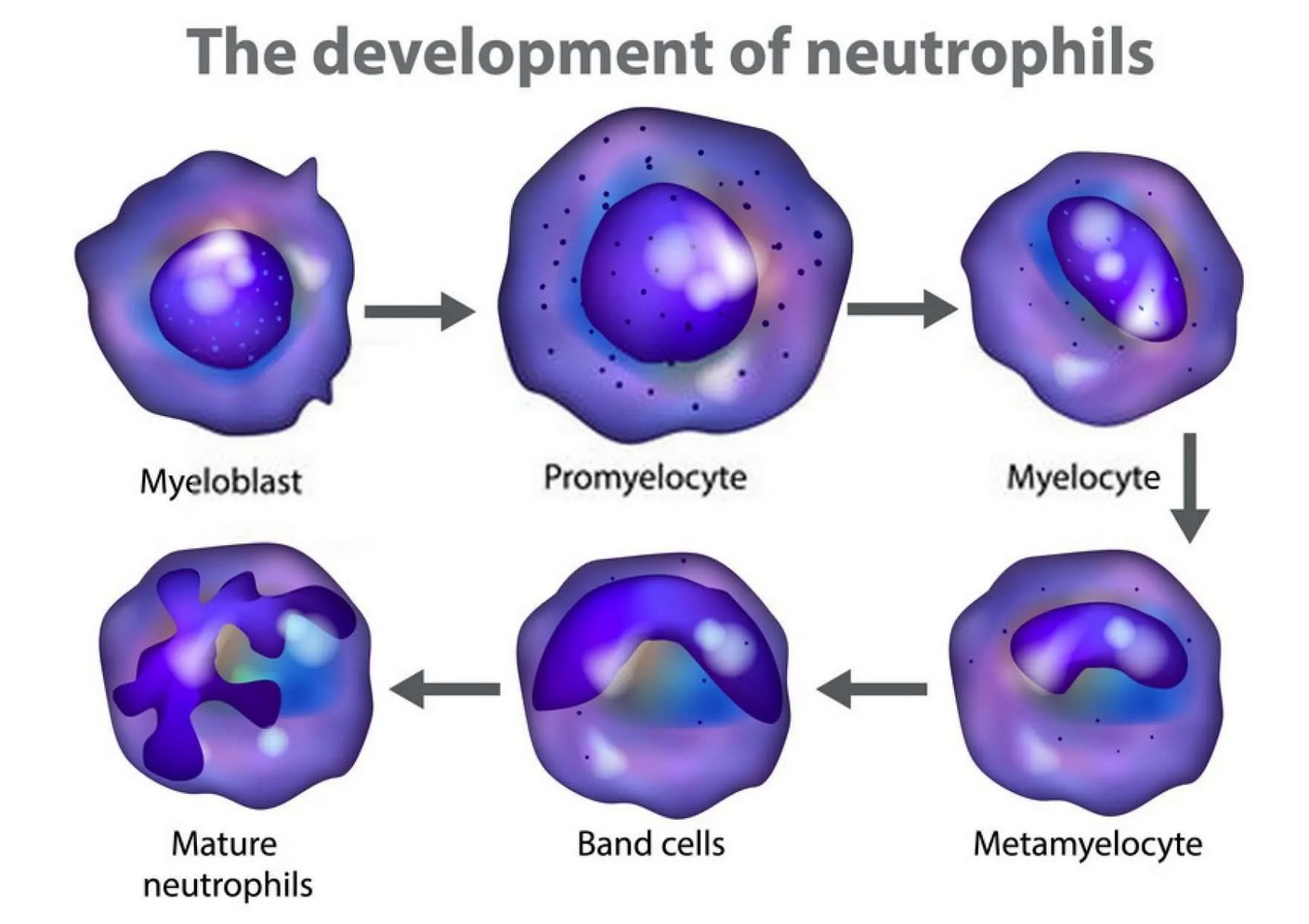
    Neutrophils are the most numerous white blood cells (50-75% of all WBC), the main ‘rapid response’ against bacteria and fungi. They are called the ‘first line of defense’.

    Key features:

    1. Phagocytosis is the absorption and digestion of bacteria.
    2. Release of antimicrobial substances (defensins, lysozyme).
    3. Formation of pus (dead neutrophils + microbes).
    4. Trigger inflammation (signal infection).

    The norm of neutrophils in the blood test

    ParameterAbsolute value (×10⁹/L)Percentage of WBC
    Adults1.8 – 7.548–75%
    Children1.5 – 8.530–60%
    Newborns6.0 – 26.050–70%

    Note: In pregnant women, an increase of up to 12-14 ×10⁹/l is acceptable.


    Reduced neutrophils (Neutropenia)

    Critical levels:

    • Easy: 1.0-1.5 ×10⁹/l
    • Average: 0.5-1.0 ×10⁹/l
    • Heavy: <0.5 ×10⁹/l (risk of fatal infections!)

    Reasons:

    • Viruses (influenza, measles, HIV).
    • Chemotherapy/radiation.
    • Autoimmune diseases (SLE, rheumatoid arthritis).
    • Vitamin B3/folate deficiency.
    • Congenital pathologies (Kostmann’s syndrome).

    Symptoms:

    • Frequent purulent infections (sore throats, pneumonia).
    • Ulcers in the mouth, bleeding gums.
    • Temperature + weakness for no obvious reason.
    • Children have developmental delays.

    Elevated neutrophils (Neutrophilosis)

    Reasons:

    1. Bacterial infections (sepsis, tuberculosis).
    2. Injuries/burns/heart attacks (tissue necrosis).
    3. Stress/physical activity.
    4. Oncology (leukemias, stomach cancer).
    5. Smoking, pregnancy.

    Symptoms:
    Depend on the underlying disease:

    • Purulent discharge (from wounds, sputum).
    • Fever + sweating.
    • Pain in the affected organ (for example, with appendicitis).

    What should I do if there are deviations?

    • With neutropenia:
    • Avoid contact with patients.
    • Urgent visit to a hematologist for NEUT < 0.5 ×10⁹/l (risk of sepsis!).
    • Analysis for antineutrophil antibodies (ANA).
    • With neutrophilosis:
    • Search for the source of infection (CRP, procalcitonin, crops).
    • With NEUT > 20 ×10⁹/L , exclude leukemia (bone marrow biopsy).

    Important: Neutrophils are the first to react to danger – their fluctuations require a quick diagnosis!

  • White blood cells (WBC)

    White blood cells (WBC)

    The role of white blood cells (WBC) in the body

    White Blood cells (WBC) are the body’s main defenders against infections, viruses, bacteria, and foreign agents.

    Main functions:

    1. Immune defense -recognize and destroy pathogens.
    2. Participation in inflammatory reactions (infection control).
    3. Removal of damaged and cancerous cells.
    4. Formation of immune memory (after previous illnesses).

    The norm of white blood cells in the blood test

    GroupReference range (×10⁹/L)
    Adults4.0 – 9.0
    Children5.0 – 15.0
    Newborns9.0 – 30.0
    Pregnant womenUp to 10–15 (physiological increase)

    Note: References may vary slightly in laboratories.


    Low white blood cells (Leukopenia)

    Reasons:

    • Viral infections (influenza, measles, HIV).
    • Autoimmune diseases (lupus, rheumatoid arthritis).
    • Bone marrow damage (leukemia, chemotherapy).
    • Vitamin deficiency (B₁₂, folic acid).
    • Taking medications (antibiotics, cytostatics).

    Symptoms:

    • Frequent infections (acute respiratory viral infections, pneumonia, stomatitis).
    • Long healing of wounds.
    • Weakness, fatigue.
    • Temperature for no reason.
    • Enlarged lymphnodes.

    Elevated white blood cells (Leukocytosis)

    Reasons:

    1. Bacterial infections (sore throat, pyelonephritis).
    2. Inflammation (appendicitis, arthritis).
    3. Stress, physical activity (physiological leukocytosis).
    4. Allergies, injuries, burns.
    5. Oncology (leukemias, lymphomas).

    Symptoms:
    Depend on the reason:

    • Fever, chills (with infections).
    • Sore throat, cough (with bacterial lesions).
    • Skin rash (for allergies).
    • Weight loss, night sweats (with tumors).

    What should I do if there are deviations?

    • With leukopenia -avoid contact with patients, check the bone marrow, take vitamins.
    • With leukocytosis -look for the focus of infection (analysis for CRP, crops), exclude oncology.

    Important!

    • WBC < 2.0 × 10⁹/L – high risk of sepsis, need urgent help.
    • WBC > 30 × 10⁹/l – possible leukemia, requires consultation with a hematologist.
  • ESR

    ESR

    The role of ESR in the body

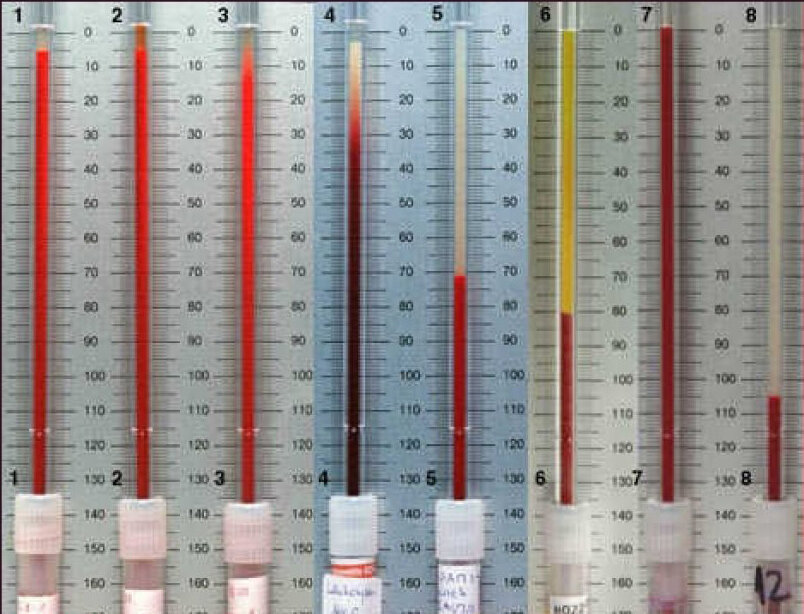
    ESR (Erythrocyte Sedimentation Rate) or ESR (Erythrocyte Sedimentation Rate) – a non-specific laboratory indicator that reflects the presence of inflammation, infection, or other pathological processes in the body.

    Main functions:

    1. Marker of inflammation -increases in infections, autoimmune diseases, and tumors.
    2. Assessment of the activity of chronic diseases (rheumatoid arthritis, vasculitis).
    3. Monitoring of treatment effectiveness (ESR reduction indicates positive dynamics).

    ESR norm in the blood test

    GroupNormal (mm/h)
    Men2 – 10
    Women2 – 15
    Children2 – 10
    ElderlyUp to 20–30 (age-related increase)
    Pregnant WomenUp to 40–50 (physiological increase)

    Note: References depend on the measurement method (Westergren, Panchenkov).


    Reduced ESR (Rare)

    Reasons:

    • Blood clots (dehydration, erythremia).
    • Taking medications (NSAIDs, corticosteroids).
    • Hyperproteinemia (rare genetic diseases).

    Symptoms:
    There are usually no specific symptoms, but there may be:

    • Headaches (due to increased blood viscosity).
    • Tendency to thrombosis.

    Elevated ESR (A common sign of pathology)

    Reasons:

    1. Inflammation/infection (pneumonia, pyelonephritis, COVID-19).
    2. Autoimmune diseases (rheumatoid arthritis, SLE).
    3. Anemia (iron deficiency, hemolytic).
    4. Oncology (lymphomas, metastases).
    5. Pregnancy, menstruation (physiological causes).

    Symptoms:
    Depend on the underlying disease:

    • Fever, weakness (with infections).
    • Joint pain, swelling (with autoimmune processes).
    • Weight loss, night sweats (with tumors).

    What should I do if there are deviations?

    • If ESR is high, look for the cause (analysis for CRP, ferritin, rheumofactor, ultrasound/CT).
    • If ESR is low, check the hematocrit and exclude dehydration.

    Important! ESR is not a diagnosis, but a signal for further examination.

  • Platelets (PLT)

    Platelets (PLT)

    The role of platelets (PLT) in the body

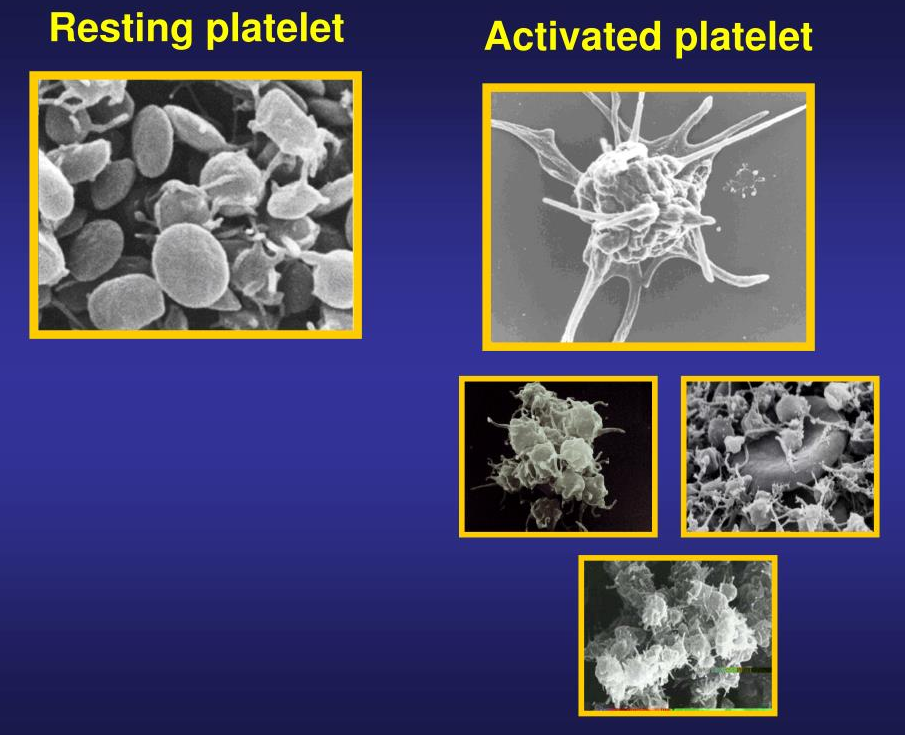
    Platelets (PLT-Platelets) are small non-nuclear blood cells responsible for blood clotting and stopping bleeding.

    Main functions:

    1. Formation of a blood clot – clog damaged blood vessels.
    2. Isolation of clotting factors (for example, thromboxane).
    3. Wound healing -involved in tissue regeneration.
    4. Maintaining the integrity of blood vessels -prevent bleeding.

    The norm of platelets in the blood test

    GroupNormal (×10⁹/L)
    Adults150 – 400
    Children150 – 350
    Pregnant Women100 – 420

    Note: References may vary slightly in laboratories.


    Low platelets (Thrombocytopenia)

    Reasons:

    • Autoimmune diseases (ITP, lupus).
    • Leukemias, anemia (aplastic, B₁₂-deficient).
    • Viral infections (HIV, hepatitis, mononucleosis).
    • Medications (heparin, chemotherapy).
    • Massive blood loss.

    Symptoms:

    • Bleeding gums, nosebleeds
    • Minor subcutaneous hemorrhages (petechiae, bruises)
    • Long periods
    • Blood in the urine or stool
    • Risk of internal bleeding

    Elevated platelets (Thrombocytosis)

    Reasons:

    • Chronic inflammation (rheumatoid arthritis, tuberculosis).
    • Iron deficiency anemia.
    • Oncology (especially polycythemia, myeloid leukemia).
    • Condition after spleen removal.
    • Dehydration (false thrombocytosis).

    Symptoms:

    • Headaches, dizziness
    • Numbness of the extremities (due to microthrombi)
    • Redness of the skin, itching
    • Deep vein thrombosis (DVT), stroke risk

    What should I do if there are deviations?

    • In case of thrombocytopenia -avoid injuries, exclude blood-thinning drugs (aspirin), check the bone marrow.
    • With thrombocytosis -look for the cause (ferritin analysis, CRP, organ ultrasound), in severe cases-antiplatelet agents (aspirin).