Блог

  • Folate (Folic acid)

    Folate (Folic acid)

    Folate – folic acid) — role, norms and violations

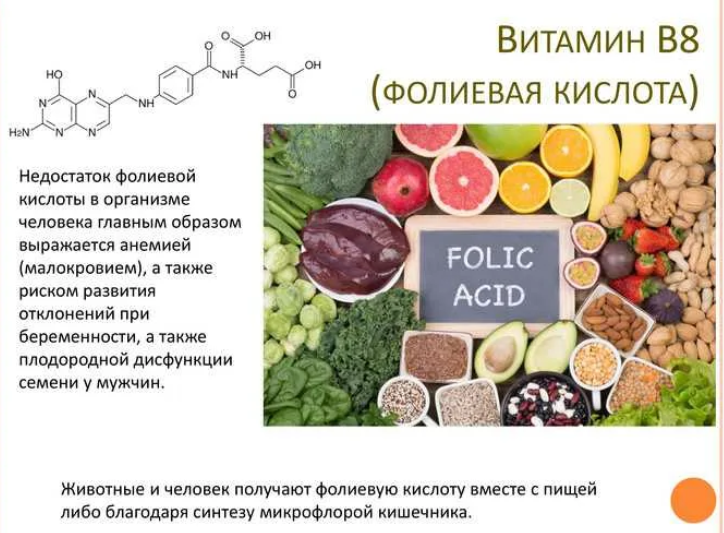
    Folate (vitamin B₉) is a water-soluble vitamin essential for DNA synthesis, hematopoiesis,and the nervous system. The body does not produce folic acid, so it must come from food or supplements.


    1. The role of folate in the body

    • DNA/RNA synthesis -participates in cell division (especially important for bone marrow and rapidly regenerating tissues).
    • Hematopoiesis -necessary for the formation of red blood cells (prevention of megaloblastic anemia).
    • Homocysteine metabolism -lowers homocysteine levels (high levels are associated with the risk of thrombosis and atherosclerosis).
    • Development of the fetal nervous system -prevents neural tube defects (anencephaly, spina bifida).

    Forms of vitamin B₉:

    • Folic acid is a synthetic form (in supplements and fortified foods).
    • Folate is a natural form (in food: greens, liver, legumes).

    2. The norm of folate in the blood

    IndicatorStandard
    Whey Folate7-45 nmol / l (3-20 ng / ml)
    Folate in red blood cells360-1400 nmol / l

    Note:

    • Red blood cell folate is a more accurate indicator of long-term status (reflects 3-4-month reserves).
    • In pregnant women, the lower limit of serum folate is≥ 10 nmol/l.

    3. Folate deficiency: Causes and symptoms

    Causes of the deficit:

    • Lack of food – a diet without greens, legumes, meat.
    • Malabsorption (celiac disease, Crohn’s disease).
    • Increased expenses – pregnancy, hemodialysis, oncology.
    • Alcoholism -disrupts folate metabolism.
    • Medications (methotrexate, anticonvulsants, oral contraceptives).

    Symptoms:

    • Megaloblastic anemia (weakness, pallor, shortness of breath).
    • Glossitis (red ‘varnished’ tongue).
    • Cognitive impairment (depression, memory loss).
    • Complications of pregnancy – miscarriages, malformations of the fetus.

    Laboratory signs:

    • Фол Folate in serum and red blood cells.
    • ↑ Homocysteine.
    • Macrocytosis (MCV > 100 fl) in the UAC.

    4. Excess folate: does it happen and what is dangerous?

    Overdosing on natural folate from food is almost impossible. However, an excess of synthetic folic acid (> 1000 micrograms / day) can cause:

    • Mask vitamin B deficiency – improves blood tests, but doesn’t stop neurological damage.
    • Increase the risk of cancer (controversial data, but with prolonged use of high doses).

    Symptoms of excess:
    Usually missing, but possible:

    • Nausea, flatulence.
    • Allergic reactions (rash, itching).

    5. Diagnosis and treatment

    Analyzes:

    1. Serum folate is an acute deficiency.
    2. Red blood cell folate is a chronic deficiency.
    3. Homocysteine (increases with B₉ or B₁₂ deficiency).
    4. Vitamin B₁₂ – be sure to check with folate (their deficiencies are similar in symptoms).

    Deficit management:

    • Folic acid preparations(400-1000 mcg / day).
    • For malabsorption – injectable forms.
    • Pregnant women– 400-800 mcg/day from the moment of planning until the end of the first trimester.

    Prevention:

    • Foods with folate:
    • Herbs (spinach, parsley).
    • Liver, eggs.
    • Legumes (lentils, beans).
    • Avocado, citrus fruits.

    6. Examples of interpreting results

    Folate levelsVitamin B₁₂HomocysteineDiagnosis
    StandardFolate deficiency
    StandardDeficit B₁₂
    StandardStandardOverdose of B₉ (rare)

    Important: Folate deficiency and B₁₂ are often combined. Do not prescribe folic acid without a B₁₂ test-this may worsen neurological symptoms!

    Daily consumption rates

    • Adults: 400 mcg.
    • Pregnant women: 600 mcg.
    • Nursing mothers: 500 mcg.

    Toxicity: The upper permissible limit is 1000 mcg / day for the synthetic form (from additives).
  • Ionized Calcium (Ca++)

    Ionized Calcium (Ca++)

    Ionized calcium (Ca2⁺) — role, norms and violations

    Ionized calcium (free Ca2⁺) is a biologically active form of calcium that is not bound to proteins (albumin) or anions. It plays a key role in the nervous system, muscle function, blood clotting, and bone metabolism.


    1. The role of ionized calcium in the body

    • Neuromuscular conduction -regulates muscle contraction (including the heart).
    • Blood clotting -activates coagulation factors.
    • Bone tissue -99% of calcium is stored in the bones, maintaining their strength.
    • Cellular signals -participates in the work of hormones and enzymes.

    Important: Only ionized calcium (about 50% of the total) is physiologically active. Its level does not depend on the amount of albumin in the blood (unlike total calcium).


    2. The norm of ionized calcium in the blood

    GroupNorm (mmol / l)
    Adults1.16–1.32 mmol / l
    Children1.22–1.37 mmol / l
    Newborns1.05–1.37 mmol / l

    Note: Reference values may vary from laboratory to laboratory.


    3. Abnormalities: causes and symptoms

    A. Hypocalcemia (Ca2⁺ < 1.16 mmol / l)

    Reasons:

    • Hypoparathyroidism (lack of parathyroid hormone).
    • Vitamin D deficiency -disrupts the absorption of Ca in the intestines.
    • Chronic kidney disease – loss of Ca in the urine + impaired activation of vitamin D.
    • Acute pancreatitis – binding of Ca to fatty acids.

    Symptoms:

    • Tetany – painful cramps in the muscles (hands, feet).
    • Paresthesia (tingling in the fingers, around the mouth).
    • Laryngospasm (laryngospasm) — dangerous in children.
    • Prolongation of the QT interval on the ECG → risk of arrhythmias.

    Emergency services: Intravenous administration of calcium gluconate.


    B. Hypercalcemia (Ca2⁺ &> 1.32 mmol / l)

    Reasons:

    • Hyperparathyroidism (excess of parathyroid hormone).
    • Bone metastases (breast and prostate cancer).
    • Overdose of vitamin D or calcium.
    • Sarcoidosis -granulomas produce active vitamin D.

    Symptoms:

    • Thirst, frequent urination (calcium suppresses the action of ADH).
    • Nausea, constipation – inhibition of peristalsis.
    • Weakness, depression.
    • Kidney stones (nephrolithiasis).
    • Calcification of blood vessels and soft tissues.

    Treatment: Hydration + bisphosphonates (pamidronate), in severe cases – calcitonin.


    4. Diagnosis of violations

    1. Ionized calcium analysis is the most accurate method (blood is taken without contact with air, since co₂ changes the pH and Ca2⁺level).
    2. Additionally:
    • Total calcium (adjusted for albumin levels).
    • Parathyroid hormone( PTH), vitamin D (25-OH-D3).
    • Phosphorus, magnesium, and creatinine.
    1. Instrumental research:
    • Densitometry (for osteoporosis).
    • Ultrasound of the parathyroid glands.

    5. Examples of interpreting results

    Important: In pregnant women and children, Ca2⁺ levels may be higher than normal due to active bone growth.


    Correction of calcium levels

    • If there is a shortage:
    • Calcium supplements (Calcium-D3 Nicomed).
    • Vitamin D (Cholecalciferol).
    • If there is an excess:
    • Limit Ca-rich foods (milk, cheese).
    • Treatment of the underlying disease (removal of parathyroid adenoma).

    Prevention: Ca2⁺ control is particularly important for patients with kidney, thyroid, and parathyroid diseases.

  • IgE Immunoglobulin

    IgE Immunoglobulin

    Immunoglobulin E (IgE): role, symptoms of deficiency and excess, blood standards

    1. The role of IgE in the body

    Immunoglobulin E (IgE) is a special class of antibodies that plays a key role in allergic reactions and protection against parasites.

    Main functions:
    Allergic reactions:

    • Binds to allergens and triggers the release of histamine from mast cells
    • Mediates type I reactions (anaphylaxis, pollinosis, asthma)

    Antiparasitic protection:

    • Active against helminths and some protozoa
    • It stimulates eosinophils and mast cells

    Immune surveillance:

    • Participates in antitumor immunity
    • Regulates inflammatory processes

    2. Symptoms of IgE deficiency

    Reasons:

    • Rare immunodeficiency disorders (Job’s syndrome, hyper-IgE syndrome)
    • Agammaglobulinemia
    • Taking immunosuppressants

    Clinical manifestations:

    • Hypersensitivity to fungal infections
    • Chronic skin diseases
    • Recurrent sinus-pulmonary infections
    • With hyper-IgE syndrome:
    • Facial bone abnormalities
    • Cold staphylococcal abscesses
    • Eczema

    3. Symptoms of excess IgE

    Reasons:

    • Allergic diseases (atopic dermatitis, bronchial asthma)
    • Parasitic infestations (ascariasis, toxocariasis)
    • IgE-type myeloma (extremely rare)
    • Hyper-IgE syndrome

    Clinical manifestations:

    • Allergic reactions:
    • Urticaria
    • Angioedema
    • Anaphylactic shock
    • For parasitosis:
    • Eosinophilia
    • Pruritus of the skin
    • Gastrointestinal disorders
    • For myeloma:
    • Bone damage
    • Kidney failure

    4. Norms of total IgE in the blood test

    Age GroupReference Values (IU/ml)
    Newborns0-1.5
    1-3 months0-2.0
    4-6 months0-3.0
    7-12 months0-10
    1-3 years0-20
    4-6 years0-50
    7-9 years0-70
    10-12 years0-90
    13-15 years0-120
    Adults0-100

    Important notes:

    • In smokers, the level can be increased by 10-20%
    • Seasonal fluctuations in pollinosis
    • Physiological increase at night

    5. Diagnostic value

    Raising the level indicates that:

    • Atopic diseases
    • Helminthiasis
    • Some autoimmune processes
    • Rare forms of immunodeficiency

    A decrease in the level is observed when:

    • Some primary immunodeficiency disorders
    • Ataxia-telangiectasia
    • Treatment with monoclonal antibodies

    6. When is the test scheduled?

    • Diagnosis of allergic diseases
    • Suspected parasitic infestations
    • Assessment of hyper-IgE syndrome
    • Monitoring of allergen-specific immunotherapy
    • Diagnosis of rare forms of myeloma

    7. Additional research

    • Allergopanel (specific IgE)
    • Analysis for eosinophilic cationic protein
    • Parasite testing
    • Immunogram

    8. Treatment approach

    For allergic conditions:

    • Antihistamines
    • Allergen-specific immunotherapy
    • Monoclonal antibodies (omalizumab)

    For parasitosis:

    • Anthelmintic drugs
    • Elimination therapy

    With immunodeficiency:

    • Substitution therapy
    • Treatment of concomitant infections
  • Bilirubin: Role in the Body, Types, Norms, and Deviations

    Bilirubin: Role in the Body, Types, Norms, and Deviations

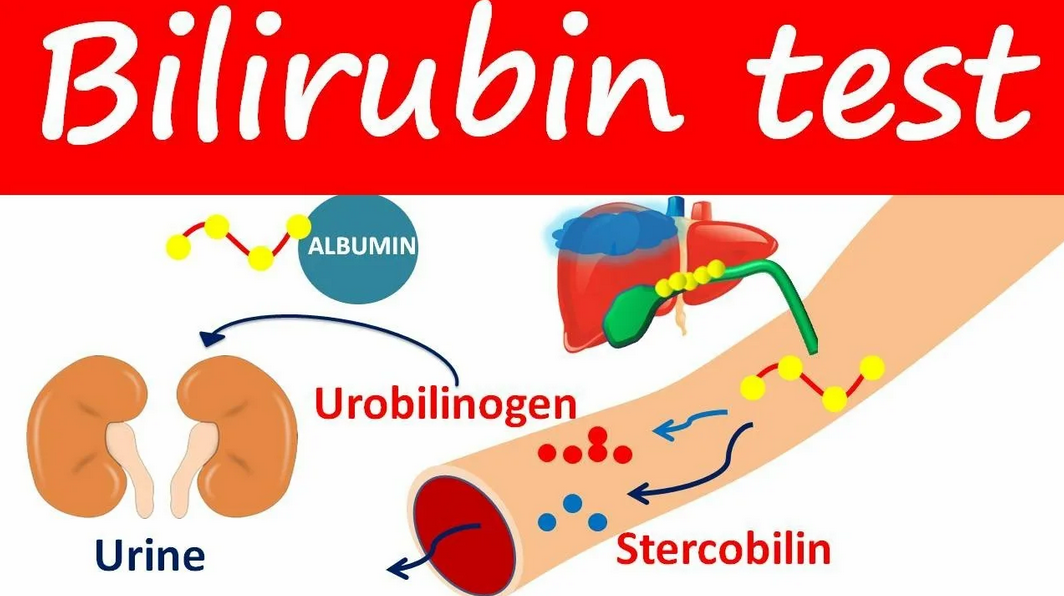
    Bilirubin is a bile pigment formed during the breakdown of hemoglobin from old red blood cells. It exists as indirect (unconjugated) and direct (conjugated) bilirubin, and their sum is the total bilirubin.


    1. Types of Bilirubin and Their Role

    ParameterCharacteristics
    Indirect BilirubinInsoluble in water, toxic. Transported to the liver bound to albumin.
    Direct BilirubinFormed in the liver after conjugation with glucuronic acid. Excreted in bile.
    Total BilirubinThe sum of direct and indirect bilirubin.

    Functions of Bilirubin:

    • Heme Utilization (from destroyed red blood cells).
    • Bile Component – aids in fat digestion.
    • Antioxidant – protects cells from damage.

    2. Normal Bilirubin Levels in Blood

    Type of BilirubinNormal Range (Adults)
    Total3.4–20.5 µmol/L
    Direct0–5.1 µmol/L (≤25% of total)
    Indirect<19 µmol/L

    Note: In newborns, bilirubin can temporarily rise to 200–250 µmol/L (physiological jaundice).


    3. Elevated Bilirubin: Causes and Symptoms

    A. Hyperbilirubinemia with Predominant Indirect Bilirubin

    Causes:

    • Hemolytic Anemia – accelerated destruction of red blood cells (autoimmune diseases, malaria).
    • Gilbert’s Syndrome – hereditary defect of the liver enzyme (UDP-glucuronosyltransferase).
    • Rh Incompatibility in Newborns.

    Symptoms:

    • Jaundice (yellow skin and sclera).
    • Dark Urine (due to urobilin).
    • Fatigue, pallor (in anemia).

    B. Hyperbilirubinemia with Predominant Direct Bilirubin

    Causes:

    • Obstructive Jaundice – blockage of the bile ducts (gallstones, tumors).
    • Hepatitis (viral, alcoholic) – damage to liver cells.
    • Liver Cirrhosis.

    Symptoms:

    • Jaundice with a greenish tint.
    • Skin Itching (due to accumulation of bile acids).
    • Light-Colored Stool, Dark Urine.

    4. Decreased Bilirubin

    Rare and usually not clinically significant.
    Possible causes:

    • Use of certain medications (phenobarbital, vitamin C).
    • Hypothyroidism.

    Symptoms:
    Absent, but may correlate with a low level of antioxidant protection.


    5. Diagnostics and Treatment

    Tests:

    1. Blood Chemistry (total, direct/indirect bilirubin).
    2. Additional tests:
    • Liver function tests (ALT, AST, ALP).
    • Ultrasound of the liver and biliary tract.
    • Gilbert’s syndrome test (fasting + bilirubin analysis).

    Treatment:

    • For hemolysis – address the cause (e.g., immunosuppressants for autoimmune anemia).
    • For liver diseases – hepatoprotectors, diet (table No. 5).
    • For obstructive jaundice – surgical removal of the obstruction (stone, tumor).
    • Gilbert’s Syndrome – usually requires no treatment, but fasting and alcohol should be avoided.

    Examples of Pathologies by Bilirubin Levels

    RatioDiagnosis
    Indirect ↑, Direct normalHemolysis, Gilbert’s syndrome
    Direct ↑, Indirect normalHepatitis, gallstone disease
    Both ↑Severe liver damage

    Important: Jaundice is not always liver disease! Clarify the type of bilirubin for accurate diagnosis.

  • Very low-density lipoprotein (VLDL)cholesterol

    Very low-density lipoprotein (VLDL)cholesterol

    VLDL – Very low-density lipoproteins) — role in the body, norms and deviations

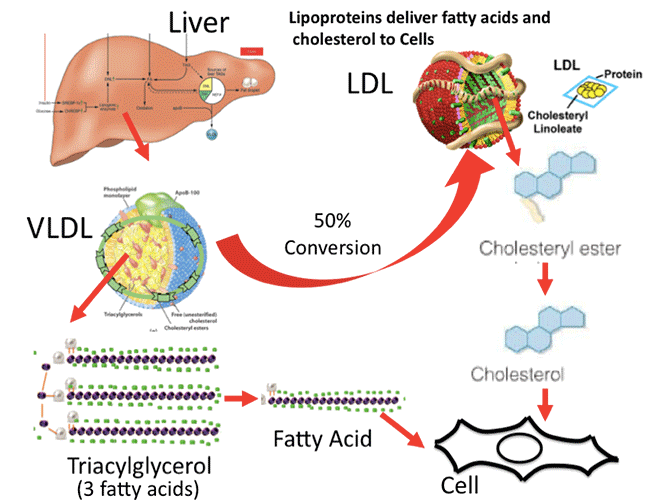
    VLDL (VLDL) is a particle synthesized in the liver that transports triglycerides (TG) from the liver to tissues. They play a key role in fat metabolism, but their excess contributes to the development of atherosclerosis.


    VLDL functions in the body

    1. Triglyceride Transport -VLDL delivers TG to muscle (for energy) and adipose tissue (for storage).
    2. Precursor of LDL (‘bad cholesterol’) – after the release of triglycerides, VLDL is converted to LDL.
    3. Participation in metabolism – when VLDL breaks down, free fatty acids are released, which are used as an energy source.

    Norm of VLDL in the blood

    Direct measurement of VLDL is difficult, so their level is usually calculated by triglycerides:
    VLDL (mmol / L) = TG ÷ 2.2

    • Normal level: 0.26-1.04 mmol / L (or 10-40 mg / dl)
    • Borderline: 1.04-1.5 mmol / l
    • High: >1.5 mmol / l (increases the risk of atherosclerosis)

    Note: In some laboratories, VLDL is not indicated separately, but is evaluated by the level of triglycerides (norm: <1.7 mmol/l).


    Causes and consequences of elevated VLDL

    Causes of ↑ VLDL:

    • Obesity and metabolic syndrome – excess fat in food.
    • Type 2 diabetes mellitus -insulin resistance increases the synthesis of TG.
    • Hypothyroidism – slowing down of lipid metabolism.
    • Chronic kidney disease is a violation of fat excretion.
    • Genetic disorders (familial hypertriglyceridemia).
    • Alcoholism -increases the production of TG in the liver.
    • Taking medications (corticosteroids, retinoids, beta blockers).

    Symptoms and complications:

    • Atherosclerosis – VLDL penetrates the walls of blood vessels, forming plaques.
    • Pancreatitis – with a very high level of TG (>5.6 mmol / l).
    • Fatty liver disease– due to the accumulation of TG.
    • Xanthomas are fat deposits on the skin (eyelids, elbows).

    Low VLDL: causes and consequences

    Causes of ↓ VLDL:

    • Fasting or an extremely low-fat diet.
    • Hyperthyroidism – accelerated fat metabolism.
    • Taking statins and fibrates.
    • Rare genetic diseases (abetalipoproteinemia).

    Symptoms:

    • Energy depletion – lack of triglycerides to nourish the muscles.
    • Deficiency of fat-soluble vitamins (A, D, E, K) – because VLDL is involved in their transport.

    Diagnosis and treatment

    Analyzes:

    1. Lipidogram -includes: VLDL (or calculated by TG), LDL, HDL, total cholesterol.
    2. Additionally:
    • Blood glucose (exclude diabetes).
    • TSH (check the thyroid gland).
    • Liver tests (ALT, AST).

    Treatment for high VLDL:

    • Diet: Limit sugar, alcohol, and trans fats. Increased fiber (vegetables, oatmeal).
    • Medication:
    • Fibrates (Fenofibrate) – reduce TG by 30-50%.
    • Omega-3 (EPA/DHA) – in high doses (2-4 g / day).
    • Statins – if LDL is also elevated.
    • Physical activity – 150 min / week (walking, swimming).

    With low VLDL:

    • Nutrition correction (healthy fats: nuts, avocados, fish).
    • Treatment of the underlying disease (for example, hyperthyroidism).

    Examples of indicators

    VLDL LevelInterpretation
    <0.78 mmol/LNormal
    0.78–1.04 mmol/LBorderline
    >1.04 mmol/LHigh Risk of Atherosclerosis

    Important: VLDL is not the only marker of risk. Evaluate the entire lipid profile (LDL, HDL) along with the clinical picture.

  • RDW-indicator of red blood cell heterogeneity

    RDW-indicator of red blood cell heterogeneity

    RDW (Red Cell Distribution Width) — an indicator of the heterogeneity of red blood cells

    RDW reflects the degree of difference in the size of red blood cells (anisocytosis). The higher the RDW, the greater the spread in red blood cell volumes. This parameter helps to diagnose anemia and other hematopoietic disorders.

    RDW rate in a blood test

    • Adults and children: 11.5-14.5%
    • Newborns: 14.9-18.7% (temporary increase due to physiological immaturity of hematopoiesis)

    The role of RDW in the body

    Red blood cells normally have approximately the same size (80-100 pl). RDW shows:

    • The norm (11.5-14.5%) is a homogeneous population of red blood cells.
    • Increased RDW (>14.5%) – a significant size spread (micro-and macrocytes are present simultaneously).
    • Reduced RDW (<11.5%) – all red blood cells are almost identical (rarely of clinical significance).

    Deviations from the norm: causes and symptoms

    1. Increased RDW (anisocytosis)

    Main reasons:

    • Iron deficiency anemia (most common) — the bone marrow produces small (microcytes) and normal red blood cells.
    • Vitamin B₁₂ or folic acid deficiency -large macrocytes appear on the background of normal cells.
    • Hemolytic anemia – when red blood cells are destroyed, young cells of different sizes enter the blood.
    • Chronic liver/kidney diseases – hemoglobin synthesis and red blood cell maturation are disrupted.
    • Oncology (leukemia, myelodysplasia) — pathological hematopoiesis.

    Symptoms depend on the type of anemia.:

    • Weakness, pallor, shortness of breath.
    • Jaundice (with hemolysis).
    • Glossitis, numbness of the extremities (with B₁₂ deficiency).

    2. Reduced RDW

    It is rare and usually not associated with pathologies. Possible reasons:

    • Normal variant in healthy people.
    • Macrocytic anemia at an early stage (all red blood cells are evenly enlarged).

    Symptoms:
    Usually absent, but with anemia possible:

    • Fatigue, dizziness.

    Diagnostic value of RDW

    Combination of IndicesPossible Diagnosis
    RDW ↑ + MCV ↓Iron Deficiency Anemia, Thalassemia
    RDW ↑ + MCV ↑Vitamin B₁₂/Folate Deficiency Anemia, Liver Disease
    RDW ↑ + MCV NormalEarly Stage of Anemia, Hemolysis
    RDW Normal + MCV ↓Chronic Diseases, Thalassemia

    Treatment

    Depends on the reason for changing the RDW:

    • Iron Deficiency – Iron supplements + vitamin C.
    • B₁₂/folate deficiency -b₁₂ injections, folic acid tablets.
    • Hemolysis – elimination of the cause (for example, treatment of autoimmune diseases).

    Important: RDW is an early marker of anemia. It can increase even before the hemoglobin decreases, which helps to start treatment at the initial stage.

    Practical example:

    A patient with RDW of 16% and MCV of 72 pl is likely to have iron deficiency. with low ferritin and blood iron levels.

  • С-пептид (en translation)

    С-пептид: роль в организме, симптомы дефицита и избытка, нормы в анализе крови

    Роль С-пептида в организме

    С-пептид (соединительный пептид) – это фрагмент молекулы проинсулина, который отщепляется при образовании инсулина в бета-клетках поджелудочной железы. Его уровень отражает инсулинопродуцирующую способность поджелудочной железы.

    Основные функции:

    • Маркер синтеза инсулина (1 молекула проинсулина → 1 молекула инсулина + 1 молекула С-пептида).
    • Помогает отличить инсулин собственной выработки от введенного извне (экзогенный инсулин не содержит С-пептида).
    • Используется для диагностики диабета (особенно при подозрении на искусственную гипогликемию).
    • Оценивает остаточную функцию бета-клеток у больных диабетом 1 и 2 типа.

    Симптомы дефицита С-пептида

    Низкий уровень указывает на недостаточную выработку инсулина, что встречается при:

    • Сахарном диабете 1 типа (аутоиммунное разрушение бета-клеток).
    • Длительном диабете 2 типа (истощение резервов поджелудочной железы).
    • Тяжелом панкреатите или удалении поджелудочной железы.

    Симптомы:

    • Гипергликемия (высокий сахар в крови).
    • Жажда, частое мочеиспускание.
    • Потеря веса, слабость (при диабете 1 типа).
    • Кетоацидоз (при резком дефиците инсулина).

    Симптомы избытка С-пептида

    Повышенный уровень говорит об избыточной выработке инсулина, что бывает при:

    • Инсулинорезистентности (диабет 2 типа, ожирение).
    • Инсулиноме (гормонально-активная опухоль поджелудочной железы).
    • Почечной недостаточности (С-пептид выводится почками, при их дисфункции его уровень растет).
    • Приеме препаратов сульфонилмочевины (стимулируют выброс инсулина).

    Симптомы:

    • Гипогликемия (низкий сахар в крови): слабость, потливость, дрожь, голод.
    • Увеличение веса (из-за гиперинсулинемии).
    • При инсулиноме – приступы гипогликемии натощак.

    Нормы С-пептида в крови

    Референсные значения зависят от метода анализа и лаборатории, но в среднем:

    СостояниеНорма (нг/мл)Примечания
    Натощак0.8–4.2У здоровых людей
    После едыДо 6–8Пик через 1–2 часа
    Диабет 1 типа< 0.8Снижен из-за разрушения бета-клеток
    Диабет 2 типаПовышен или нормаЗависит от стадии болезни
    Инсулинома> 4–5 натощакДиагностический критерий

    Важно:

    • Анализ сдают натощак (8–12 часов голода).
    • Для дифференциальной диагностики проводят пробы с глюкозой или голоданием.
    • Уровень С-пептида не зависит от введенного инсулина (в отличие от самого инсулина).

    Когда назначают анализ?

    1. Дифференциация диабета 1 и 2 типа.
    2. Подозрение на инсулиному.
    3. Контроль остаточной функции бета-клеток.
    4. Подозрение на искусственную гипогликемию (тайный прием инсулина).
  • Melatonin

    Melatonin

    The role of melatonin in the body

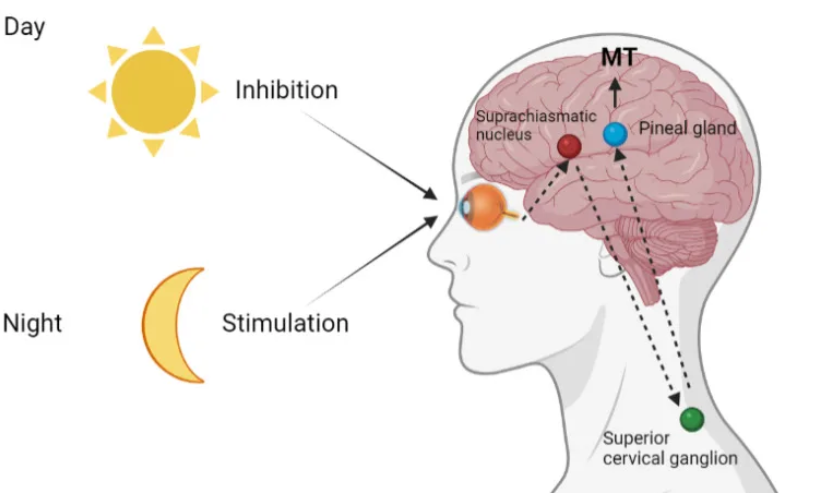
    Melatonin is the hormone produced pineal gland (epiphysis) In response to darkness. He regulates Circadian rhythms (sleep-wake) and has powerful antioxidant, immunomodulatory and antitumor properties.

    Main functions:

    1. Sleep regulation:
    • Reduces sleep time.
    • Improves the quality of deep sleep.
    1. Antioxidant Protection:
    • Neutralizes free radicals.
    • Slows down cell aging.
    1. Immune system:
    • Stimulates the activity of NK cells.
    • Suppresses excessive inflammation.
    1. Hormonal balance:
    • regulates production cortisol, leptin, insulin.
    1. Oncoprotective action:
    • Reduces the risk of breast cancer, prostate (blocks estrogen-dependent tumors).

    Melatonin analysis

    The level of melatonin can be measured in:

    • blood (peak concentration — at night, between 23:00 and 3:00).
    • Saliva (non-invasive method).
    • urine (6-sulfatoxymelatonin, AMT6S) — Reflects Daily production of melatonin.

    Melatonin Norms:

    Biological sampleCollection timeReference values
    Blood (pg/mL)Night (2:00–4:00)80–150 pg/mL
    Saliva (pg/mL)11:00 PM – 12:00 AM10–60 pg/mL
    Urine (aMT6s, ng/mL)First-morning void15–80 ng/mL
    24-hour urine (µg/24h)24 hours10–60 µg/24h

    Note: Norms depend on the laboratory. In older people, the level of melatonin decreases by 2-3 times.


    Symptoms of melatonin deficiency

    1. Sleep disturbances:
    • Insomnia, frequent awakening.
    • superficial sleep.
    1. Day symptoms:
    • Fatigue, irritability.
    • decrease in concentration.
    1. Long-term consequences:
    • Increased risk Depression, Alzheimer’s disease.
    • Weakened immunity.
    • Accelerated aging.

    Risk groups:

    • elderly people (age decrease in production).
    • night shift workers.
    • People with epiphysis damage (trauma, tumors).

    Symptoms of excess melatonin

    Overdose is possible only when taking synthetic melatonin. The natural excess is almost never found.

    Signs:

    • Daytime sleepiness, lethargy.
    • dizziness, nausea.
    • Reducing libido (with prolonged use of high doses).
    • oppression of the output own melatonin (if incorrect use of additives).

    Safe Dose of Supplements: 0.5–5 mg/day (start with minimum).


    How to increase melatonin naturally?

    1. Daily routine:
    • lay down to 23:00.
    • Sleep in complete darkness.
    1. Diet:
    • Tryptophan (turkey, bananas, nuts).
    • Vitamin B6 (salmon, garlic).
    1. Supplements (as prescribed by a doctor):
    • melatonin tablets (1-3 mg 30 minutes before bedtime).
    • phytotherapy (Valerian, Passiflora).

    When is the analysis assigned?

    1. Chronic insomnia.
    2. suspicion of dysfunction of the epiphysis.
    3. Efficiency mark melatonin therapy.

    Conclusion

    • Melatonin — Key hormone of sleep and antioxidant protection.
    • Night urine norm (AMT6S): 15–80 ng/ml.
    • Deficit leads to insomnia and accelerated aging.
    • Excess It is possible only for an overdose of additives.
  • Alkaline phosphatase

    Alkaline phosphatase

    The role of alkaline phosphatase (ALP) in the body

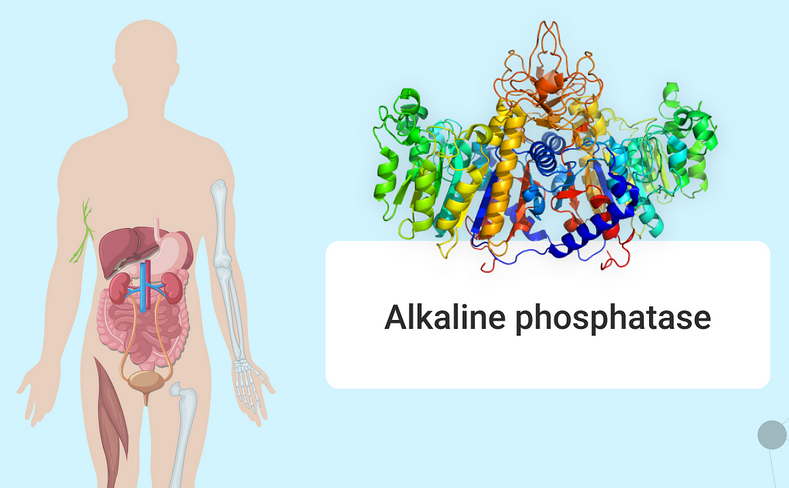
    Alkaline phosphatase is an enzyme involved in phosphorus-calcium metabolism. . The highest concentrations are found in:

    • Liver cells(hepatocytes)
    • Bones (osteoblasts)
    • Placenta (in pregnant women)
    • The intestines

    Main functions:

    1. Bone mineralization (cleavage of phosphates for calcium absorption)
    2. Bile acid metabolism (hepatic form)
    3. Placental growth during pregnancy
    4. Fat metabolism in the gut

    GroupReference range (U/L)
    Adults30–120
    Children150–500 (active bone growth)
    Pregnant womenUp to 250

    Reduced alkaline phosphatase (Hypophosphatazemia)

    Main reasons:

    • Hypothyroidism
    • Anemia (B12-, folate-deficient)
    • Hereditary hypophosphatazemia (a rare genetic disorder)
    • Zinc/Magnesium deficiency

    Symptoms:

    • Muscle weakness
    • Bone deformities (in children)
    • Premature tooth loss
    • Respiratory disorders (in severe cases)

    Elevated alkaline phosphatase (Hyperphosphatazemia)

    Critical levels:

    • > 500 U / L – suspected Paget’s disease
    • > 1000 U / L – biliary tract obstruction

    Main reasons:

    1. Liver diseases (hepatitis, cirrhosis, cholestasis)
    2. Bone diseases (osteoporosis, metastases)
    3. Hyperparathyroidism
    4. Kidney/lung infarction

    Symptoms:

    • Jaundice, pruritus of the skin(with cholestasis)
    • Bone pain
    • Frequent fractures
    • Nausea, loss of appetite (with hepatic pathologies)

    What should I do if there are deviations?

    With an increase in alkaline phosphatase:

    1. Liver tests (ALT, AST, bilirubin)
    2. Calcium/phosphorus analysis
    3. Ultrasound of the liver and biliary tract
    4. X-ray of bones (if Paget’s disease is suspected)

    When the ALP is lowered:

    1. Thyroid Hormones (TTG, T4)
    2. Vitamins B12 and Folate
    3. Genetic test (for inherited forms)

    Important: Children have a high level of ALP- norm (active growth of the skeleton)! In adults, an increase always requires diagnosis.

  • Troponin I

    Troponin I

    The role of troponin I (highly sensitive) in the body

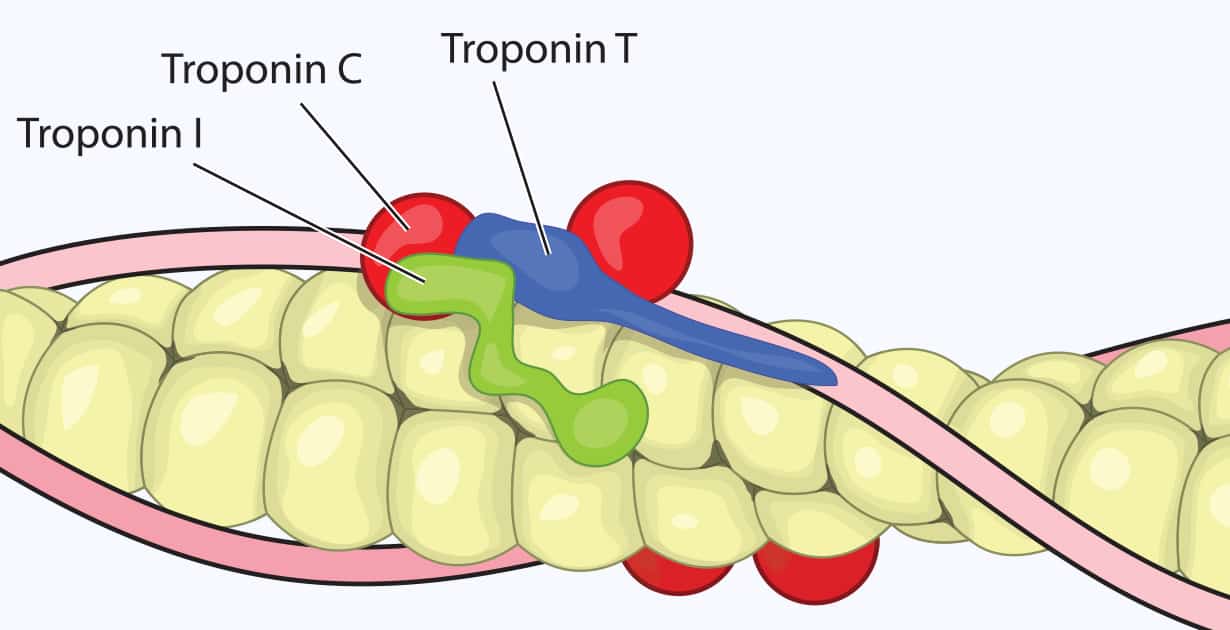
    Troponin I (cTnI) is a key biomarker of myocardial damageand is part of the contractile system of the heart muscle. Normally, it is practically not detected in the blood.

    Main functions:

    1. Regulation of muscle contraction (together with troponin T and C)
    2. Specific marker of cardiomyocyte necrosis
    3. Diagnosis of myocardial infarction (highly sensitive method detects even microinfarcts)

    Norm of troponin I (highly sensitive) in the blood

    ParameterValue
    Healthy adults<0.04 ng/mL
    Myocardial infarction threshold>0.5 ng/mL (with rising trend)
    «Grey zone»0.04–0.5 ng/mL (repeat testing required in 3–6 hours)

    Note: References depend on the analysis method. In the elderly, a slight increase is acceptable (up to 0.1 ng / ml).


    Reduced Troponin I

    Situations:

    • Normal condition (no blood or trace amounts)
    • False-low result (sample hemolysis)

    It has no clinical significance.


    Increased Troponin I

    Critical level:

    • > 0.5 ng / ml with a 2-fold increase in repeated measurement-heart attack diagnosis

    Main reasons:

    1. Acute coronary syndrome (infarction, unstable angina)
    2. Myocarditis
    3. PE (pulmonary embolism)
    4. Heart injury (contusion, surgery)
    5. CRF (chronic renal failure)

    Symptoms:

    • Pressing pain behind the sternum (>15 min)
    • Shortnessof breath, cold sweat
    • Nausea/vomiting
    • Rhythm disorders
    • Loss of consciousness (with a massive heart attack)

    What should I do if there are deviations?

    1. At the level of > 0.5 ng / ml:
    • Urgent ECG
    • Control after 3-6 hours (evaluate the dynamics)
    • Hospitalization in a cardiac hospital
    1. In the ‘gray zone’ (0.04-0.5 ng / ml):
    • Exclude: myocarditis, PE, sepsis
    • Optional: Echocardiography, coronary angiography

    Important:

    • Highly sensitive troponin detects myocardial damage as early as 1-3 hours after the onset of symptoms!
    • A false positive result is possible with: hemolysis, kidney failure, muscle injury.