Блог

  • TNF-альфа (en translation)

    TNF-альфа (en translation)

    Роль TNF-α (фактора некроза опухоли-альфа) в организме

    TNF-α – это провоспалительный цитокин, который играет ключевую роль в:

    Иммунной защите – активирует макрофаги и нейтрофилы для борьбы с инфекциями.
    Апоптозе – запускает гибель поврежденных или раковых клеток.
    Воспалении – усиливает выработку других цитокинов (IL-1, IL-6).
    Метаболизме – влияет на инсулинорезистентность и липолиз.
    Терморегуляции – вызывает лихорадку при инфекциях.


    Симптомы и последствия дисбаланса TNF-α

    При избытке (гипервоспаление)

    • Острые состояния:
    • Сепсис, цитокиновый шторм (шок, полиорганная недостаточность).
    • Тяжелые инфекции (COVID-19, туберкулез).
    • Хронические болезни:
    • Аутоиммунные заболевания (ревматоидный артрит, болезнь Крона).
    • Атеросклероз, диабет 2 типа.
    • Депрессия, нейродегенерация (болезнь Альцгеймера).

    При дефиците (крайне редко)

    • Склонность к инфекциям (особенно внутриклеточным, например, туберкулезу).
    • Нарушение заживления ран.
    • Снижение противоопухолевого иммунитета.

    Примечание: Полное отсутствие TNF-α встречается при редких генетических мутациях.


    Нормы TNF-α в анализах

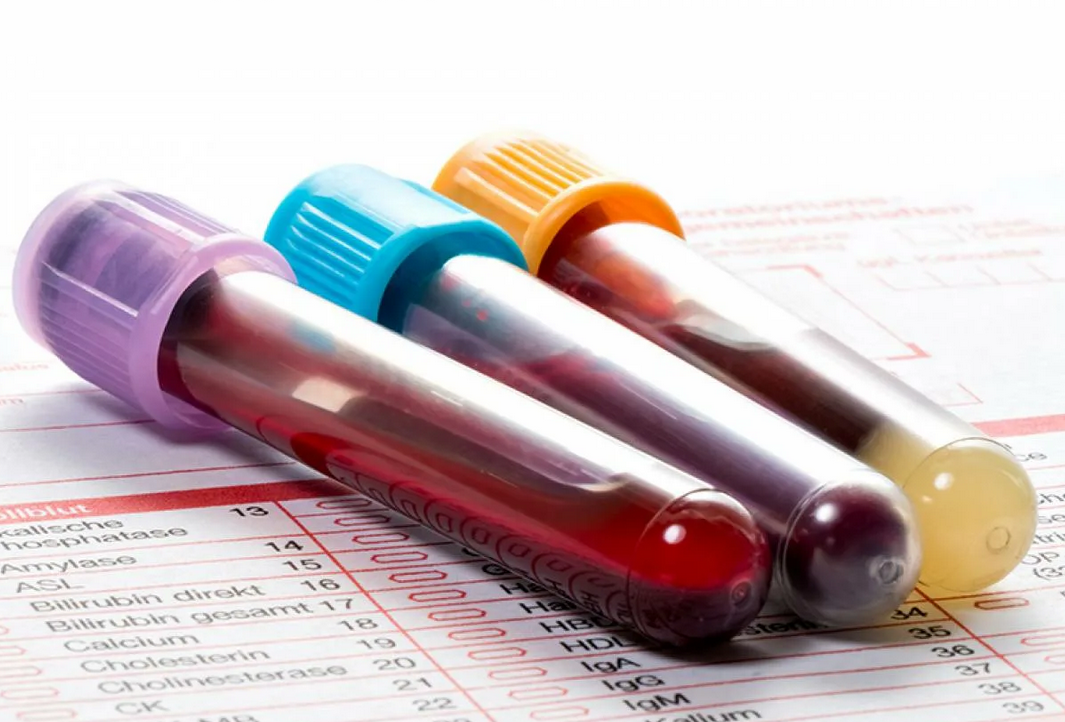
    Уровень TNF-α измеряется в сыворотке крови методом ИФА. Референсы зависят от лаборатории, но обычно:

    СостояниеУровень TNF-α (пг/мл)
    Здоровые люди< 8.1
    Легкое воспаление8.1–15
    Острое воспаление15–50
    Аутоиммунные болезни/сепсис> 50 (до 1000+)

    Когда назначают анализ?

    • Подозрение на сепсис, аутоиммунные заболевания.
    • Контроль терапии биологическими препаратами (ингибиторами TNF-α).
    • Оценка тяжести COVID-19, ревматоидного артрита.

    Что делать при отклонениях?

    При высоком TNF-α

    1. Медикаментозная терапия:
    • Ингибиторы TNF-α (адалимумаб, инфликсимаб – при ревматоидном артрите).
    • Кортикостероиды (преднизолон).
    1. Натуральные методы:
    • Куркумин, омега-3 (снижают воспаление).
    • Низкоуглеводная диета (уменьшает инсулинорезистентность).

    При низком TNF-α

    • Лечение основного иммунодефицита.
    • Вакцинация (по показаниям).

    Интересные факты

    • TNF-α и рак: в низких дозах защищает от опухолей, в высоких – может стимулировать их рост.
    • Депрессия: хронически повышенный TNF-α нарушает выработку серотонина.

    Вывод

    TNF-α – «страж» иммунитета, но при избытке разрушает ткани.
    Норма: < 8.1 пг/мл (кровь).
    Повышение:

    • >15 пг/мл – острое воспаление,
    • >50 пг/мл – риск полиорганных осложнений.
      Коррекция: биопрепараты, противовоспалительная диета.

    Пример: При ревматоидном артрите уровень TNF-α >20 пг/мл – показание для назначения адалимумаба.
  • Prolactin

    Prolactin

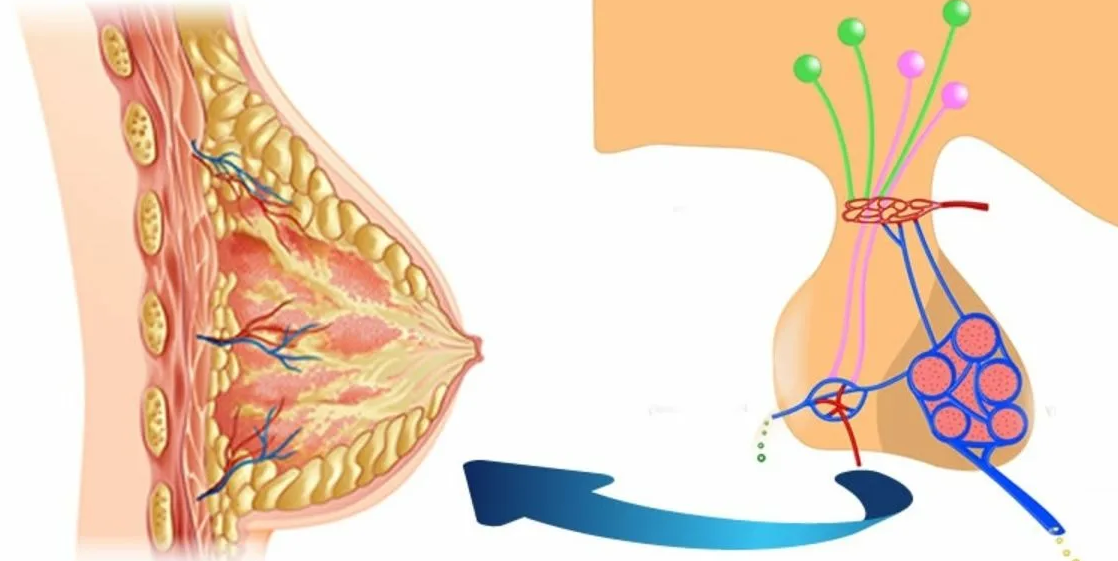
    Role of Prolactin in the Body

    Prolactin is a hormone produced by the pituitary gland, playing a key role in the reproductive system and beyond.

    Main Functions:

    1. Lactation – stimulates milk production after childbirth.
    2. Reproductive health:
    • In women: influences the menstrual cycle, ovulation, and fertility.
    • In men: involved in testosterone synthesis and spermatogenesis.
    1. Immune regulation – modulates immune cell function.
    2. Fluid and electrolyte balance – affects the kidneys (fluid retention).
    3. Stress response – prolactin levels rise under stress, anxiety, and physical exertion.

    Symptoms of Prolactin Deficiency (Hypoprolactinemia)

    Causes:

    • Hypopituitarism (pituitary insufficiency due to trauma, surgery, or tumors).
    • Use of dopaminergic drugs (levodopa, bromocriptine).

    Symptoms:

    • In women:
    • Inability to breastfeed (lack of milk after childbirth).
    • Menstrual irregularities (infrequent periods or amenorrhea).
    • In men:
    • Reduced libido, infertility (rare).
    • General:
    • Dry mucous membranes (due to reduced effect on fluid balance).

    Important: Prolactin deficiency is rare and usually associated with generalized pituitary dysfunction.


    Symptoms of Prolactin Excess (Hyperprolactinemia)

    Causes:

    • Prolactinoma (benign pituitary tumor).
    • Hypothyroidism (elevated TSH stimulates prolactin).
    • Medication use (antidepressants, antipsychotics, antiemetics).
    • Chronic stress, nipple stimulation, kidney failure.

    Symptoms:

    • In women:
    • Galactorrhea (milk production outside of pregnancy and lactation).
    • Menstrual irregularities (oligomenorrhea, amenorrhea).
    • Infertility (due to suppressed ovulation).
    • Reduced libido, vaginal dryness.
    • In men:
    • Gynecomastia (breast enlargement).
    • Erectile dysfunction, reduced libido.
    • Infertility (oligospermia).
    • General:
    • Headaches, visual disturbances (with macroadenoma).
    • Osteoporosis (with prolonged elevation).

    Normal Prolactin Levels in Blood Tests

    Levels depend on sex, age, and the laboratory.

    Reference Values (µIU/L or ng/mL)*:

    GroupWomen (non-pregnant)Men
    Basal Level60–500 µIU/L (3–25 ng/mL)60–400 µIU/L (3–20 ng/mL)
    Pregnant WomenUp to 10,000 µIU/L (500 ng/mL)
    Postmenopausal25–400 µIU/L (1–20 ng/mL)

    *Conversion: 1 ng/mL ≈ 21 µIU/L

    Important Notes:

    • Prolactin is secreted in pulses, peaking at night and in the morning.
    • The test should be taken on an empty stomach, in the morning, 2–3 hours after waking.
    • Avoid before testing:
    • Stress and physical exertion.
    • Nipple stimulation, sexual activity.

    What to Do if Levels Are Abnormal

    If Prolactin is Elevated:

    1. Repeat the test (rule out stress or physical exertion).
    2. Rule out hypothyroidism (TSH, free T4).
    3. MRI of the pituitary gland (if prolactinoma is suspected).
    4. Treatment:
    • Dopamine agonists (bromocriptine, cabergoline).
    • Surgery (for macroadenomas).

    If Prolactin is Low:

    1. Check other pituitary hormones (TSH, LH, FSH, cortisol).
    2. MRI of the pituitary gland (if hypopituitarism is suspected).
    3. Replacement therapy (if other hormone deficiencies are present).

    Conclusion

    • Prolactin is a key hormone for lactation, reproduction, and stress adaptation.
    • Excess causes infertility, galactorrhea, and reduced libido.
    • Deficiency is rare but dangerous, leading to lack of lactation and hormonal imbalance.
    • Normal range:
    • Women: 60–500 µIU/L (3–25 ng/mL).
    • Men: 60–400 µIU/L (3–20 ng/mL).
  • TSH thyroid-stimulating hormone

    TSH thyroid-stimulating hormone

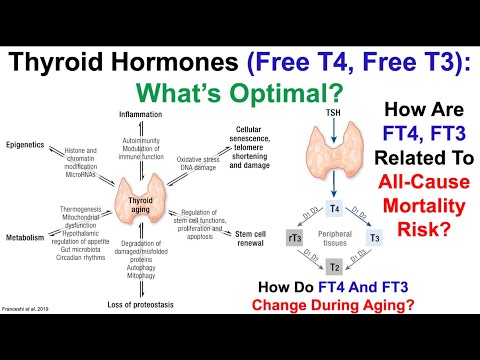
    Role of TSH (Thyroid-Stimulating Hormone) in the Body

    TSH is a pituitary hormone that regulates the thyroid gland via a feedback mechanism.

    Main Functions:

    1. Stimulation of the thyroid gland – TSH prompts the thyroid to produce T4 and T3.
    2. Maintaining hormonal balance – TSH rises when T3/T4 are low and falls when they are high.
    3. Controlling metabolism – indirectly affects energy, weight, and body temperature.

    Symptoms of TSH Deficiency (Secondary Hypothyroidism)

    Causes:

    • Damage to the pituitary gland or hypothalamus (tumor, trauma, inflammation).
    • Overdose of thyroid hormones (artificial TSH suppression).

    Symptoms:

    • Fatigue, drowsiness.
    • Cold intolerance, dry skin.
    • Slow heart rate, constipation.
    • Difference from primary hypothyroidism: No goiter; often combined with deficiencies of other pituitary hormones.

    Symptoms of Excess TSH (Primary Hypothyroidism)

    Causes:

    • Autoimmune thyroiditis (Hashimoto’s disease).
    • Iodine deficiency.
    • Consequences of thyroid surgery.

    Symptoms:

    • Weight gain, swelling.
    • Depression, memory impairment.
    • Brittle hair/nails.
    • Goiter (enlarged thyroid gland).

    Normal TSH Levels in Blood Tests

    GroupTSH (mIU/L)
    Adults0.4–4.0
    Pregnant Women1st Trimester: 0.1–2.5
    2nd-3rd Trimester: 0.2–3.0
    ElderlyUp to 7.0 may be acceptable

    Important:

    • TSH is highest at 2–4 AM and lowest in the evening.
    • For borderline values, check free T4 and anti-TPO antibodies.

    What to Do if Levels Are Abnormal

    If TSH is Elevated:

    1. Check free T4 (to confirm hypothyroidism).
    2. Test for anti-TPO antibodies (to diagnose Hashimoto’s disease).
    3. Start L-thyroxine therapy (dose determined by a doctor).

    If TSH is Low:

    1. Rule out hyperthyroidism (T3, T4, thyroid ultrasound).
    2. If pituitary insufficiency is suspected – perform brain MRI.

    Conclusion

    TSH is the main «regulator» of the thyroid gland. Its deviations indicate:

    • ↑ TSH – underactive thyroid (hypothyroidism).
    • ↓ TSH – overactive thyroid or pituitary issues.
      Normal range: 0.4–4.0 mIU/L, but interpretation should always include T4 levels.
  • ДГА-S (en translation)

    ДГА-S (en translation)

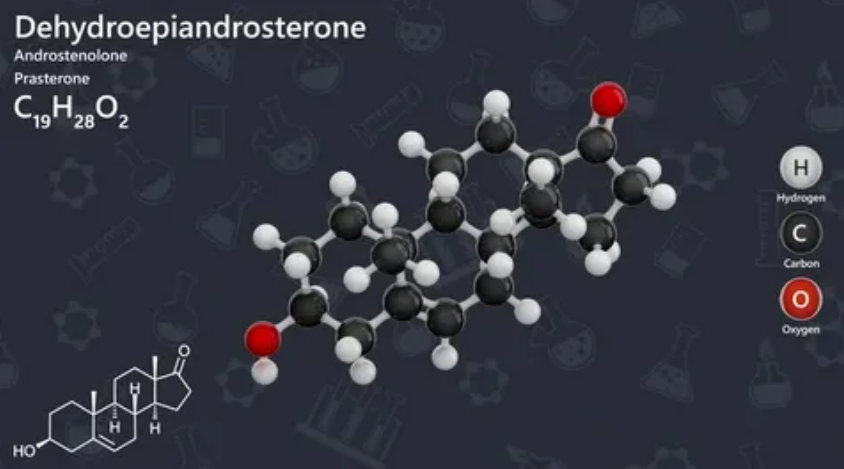
    Role of DHEA-S (Dehydroepiandrosterone Sulfate) in the Body

    DHEA-S is a steroid hormone produced primarily by the adrenal cortex (95%) and, in small amounts, by the ovaries/testes. It is a prohormone, a precursor to testosterone and estrogens.

    Main Functions:

    1. Source of sex hormones (especially important for women after menopause and for men with age-related decline).
    2. Anabolic effects (moderate influence on muscle mass and strength).
    3. Neuroprotective and anti-stress effects (reduces anxiety, improves cognitive function).
    4. Maintenance of libido (especially in women).
    5. Affects immunity (can modulate inflammation).
    6. Linked to longevity (its levels decline with age, correlating with the aging process).

    Symptoms of DHEA-S Deficiency

    Causes:

    • Adrenal insufficiency (Addison’s disease).
    • Hypopituitarism (low ACTH).
    • Age-related decline (levels drop by 2–3% per year after age 30).

    Symptoms:

    • Chronic fatigue, low energy.
    • Decreased libido (especially in women).
    • Depression, anxiety.
    • Loss of muscle mass and strength.
    • Impaired memory and concentration.
    • Dry skin, brittle hair.
    • Weakened immunity (frequent infections).

    Symptoms of Excess DHEA-S

    Causes:

    • Adrenal tumor (androgen-producing adenoma/carcinoma).
    • Congenital adrenal hyperplasia (CAH) – 21-hydroxylase deficiency.
    • Polycystic ovary syndrome (PCOS) (in women).

    Symptoms in Women:

    • Hirsutism (excessive hair growth on the face and body).
    • Acne, oily skin.
    • Male-pattern baldness (androgenic alopecia).
    • Menstrual irregularities (oligomenorrhea, amenorrhea).
    • Deepening of the voice.
    • Clitoral enlargement.

    Symptoms in Men:

    • Usually less pronounced (since DHEA-S is weaker than testosterone).
    • Possible aggressiveness, acne, early baldness.

    In Children:

    • Precocious puberty (early hair growth, genital enlargement).

    Normal DHEA-S Levels in Blood Tests

    Levels depend on sex, age, and the laboratory.

    Reference Values (µg/dL):

    GroupDHEA-S (µg/dL)DHEA-S (µmol/L)*
    Women (20–30 years)65–3801.8–10.3
    Women (postmenopausal)10–2000.3–5.4
    Men (20–30 years)140–5303.8–14.3
    Men (after 50 years)30–2600.8–7.0
    Children (prepubertal)<100<2.7

    *Conversion: 1 µg/dL ≈ 0.027 µmol/L


    What to Do if Levels Are Abnormal

    If DHEA-S is Elevated:

    1. Rule out adrenal tumor (CT/MRI scan).
    2. Test for CAH (17-OH-progesterone test).
    3. In women – rule out PCOS (ovarian ultrasound, testosterone, LH/FSH).

    If DHEA-S is Low:

    1. Check adrenal function (cortisol, ACTH, aldosterone).
    2. DHEA replacement therapy may be considered (only under medical supervision!).

    Conclusion

    • DHEA-S is an important hormone affecting energy, libido, immunity, and aging.
    • Excess leads to androgenic effects (especially in women).
    • Deficiency causes fatigue, depression, and decreased libido.
    • Normal ranges depend on age and sex; abnormalities require diagnostic investigation.

    Important: Do not take DHEA supplements without a doctor’s prescription – they can disrupt your hormonal balance!

  • T4 free

    T4 free

    The role of free T4 (thyroxine) in the body

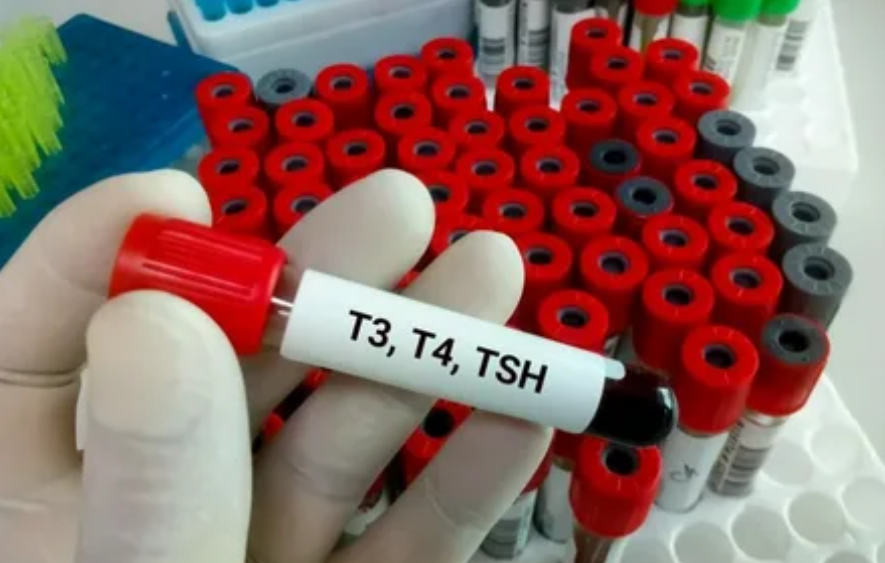
    T4 free (FT4) is an inactive form of thyroid hormone produced by the thyroid gland. . It serves as the main ‘reserve’ from which active T3 (triiodothyronine) is formed in the tissues.

    Key features:

    1. Metabolism:
    • Regulates basal metabolic rate(the rate at which calories are burned at rest).
    • It affects the synthesis and breakdown of proteins, fats, and carbohydrates.
    1. Energy balance:
    • Supports body temperature and energy production.
    1. Cardiovascular system:
    • Increases your heart rate (HR) and sensitivity to adrenaline.
    1. The nervous system:
    • Provides normal brainfunction, concentration and memory.
    1. Growth and development (in children):
    • It is critically important for the formation of the central nervous system and bone system.
    1. Reproductive health:
    • It affects women’s menstrual cycle and fertility.

    Symptoms of free T4 deficiency (hypothyroidism)

    Reasons:

    • Autoimmune thyroiditis (Hashimoto’s disease).
    • Iodine deficiency (endemic goiter).
    • Surgery/radiation of the thyroid gland.
    • Hypopituitarism (TSH deficiency due to pituitary gland problems).

    Symptoms:

    • Chronic fatigue, drowsiness, weakness.
    • Chilliness, cold intolerance.
    • Weight gain (swelling, slow metabolism).
    • Dry skin, brittle hair and nails.
    • Slow heart rate (bradycardia), low blood pressure.
    • Constipation, bloating.
    • Depression, memory loss, ‘fog in the head’.
    • Cycle disorders in women, infertility.

    Symptoms of excess free T4 (hyperthyroidism)

    Reasons:

    • Graves ‘ disease (autoimmune hyperthyroidism).
    • Toxic nodular goiter.
    • Thyroiditis (inflammation with the release of hormones).
    • Overdose of L-thyroxine.

    Symptoms:

    • Sharp weight loss(with increased appetite).
    • Tachycardia, arrhythmia, sweating.
    • Trembling hands, nervousness, insomnia.
    • Diarrhea, frequent urination.
    • Muscle weakness (especially in the shoulders and thighs).
    • Exophthalmos (bug-eye in Graves ‘ disease).
    • Violation of the menstrual cycle.

    Norm of free T4 in the blood test

    Reference values depend on the laboratory, but on average:

    GroupFT4 (pmol / L)FT4 (ng / dl)*
    Adults12–220.9–1.7
    ChildrenSee age limits
    Pregnant womenLower than normal (due to the growth of binding proteins)

    * Translation: 1 pmol / l ≈ 0.078 ng / dl

    Important:

    • TSH level is the main marker for diagnosis (in hypothyroidism TSH ↑, in hyperthyroidism TSH ↓).
    • T4 free is more accurate than total T4 (does not depend on the level of blood proteins).

    What should I do if there are deviations?

    If T4 is lowered:

    1. Check TSH (if TSH is high – primary hypothyroidism).
    2. Pass antibodies to TPO and TG (if Hashimoto’s is suspected).
    3. Replacement therapy with L-thyroxine (the dose is selected by the endocrinologist).

    If T4 is raised:

    1. Ultrasound of the thyroid gland (exclude nodules, inflammation).
    2. Analysis for TSH receptor antibodies (TRAb) in Graves ‘ disease.
    3. Treatment: thyrostatics (thiamazole), radioactive iodine, surgery.

    Conclusion

    • Free T4 is the main ‘prohormone’ from which active T3 is formed.
    • Deficiency leads to a slower metabolism (hypothyroidism).
    • Excess causes acceleration of all processes (thyrotoxicosis).
    • The FT4 norm is 12-22 pmol / L, but you need to interpret it together with TSH.
  • Cortisol

    Cortisol

    The role of cortisol in the body

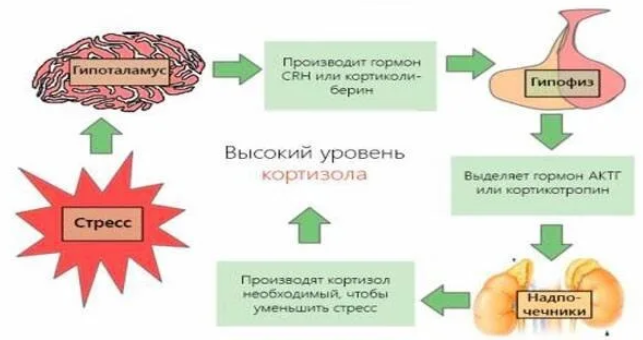
    Cortisol is a stress hormone produced by the adrenal cortex under the control of the hypothalamic-pituitary system ( HPA axis: hypothalamus → ACTH → adrenalglands).

    Main functions:

    1. Regulation of metabolism:
    • Increases the level of glucose in the blood (stimulates gluconeogenesis in the liver).
    • Reduces glucose uptake by cells (an insulin antagonist).
    • Promotes protein breakdown (catabolic effect).
    • It affects lipolysis (fat breakdown).
    1. Anti-inflammatory and immunosuppressive effects:
    • Suppresses immune responses (used in medicine to treat autoimmune diseases).
    1. Stress response:
    • Mobilizes the body in critical situations (increases blood pressure, increases heart function).
    1. Impact on the central nervous system:
    • May cause anxiety, insomnia in excess.
    1. Regulation of the water-salt balance:
    • Weak mineralocorticoid effect (sodium and water retention).

    Symptoms of cortisol deficiency (hypocorticism)

    Reasons:

    • Addison’s disease (primary adrenal insufficiency).
    • Secondary insufficiency (pituitary/hypothalamic problems).
    • Abrupt withdrawal of glucocorticoids after prolonged use.

    Symptoms:

    • Chronic fatigue, weakness.
    • Hypoglycemia (dizziness, trembling, sweating).
    • Weight loss, decreased appetite.
    • Hyperpigmentation of the skin (in Addison’s disease).
    • Low blood pressure (hypotension), fainting spells.
    • Nausea, vomiting, abdominal pain.
    • Depression, irritability.

    Acute deficiency (Addison’s crisis) is a dangerous condition!

    • Sudden drop in pressure, shock.
    • Severe abdominal pain, vomiting.
    • Loss of consciousness, possible death.

    Symptoms of excess cortisol (hypercorticism)

    Reasons:

    • Cushing’s disease (pituitary adenoma that secretes ACTH).
    • Cushing’s syndrome (a tumor of the adrenal glands or prolonged use of glucocorticoids).
    • Functional hypercorticism (chronic stress, obesity, alcoholism).

    Symptoms:

    • Central obesity (belly fat, thin arms/legs).
    • ‘Moon-shaped face’, ‘buffalo hump’ (deposition of fat on the neck).
    • Stretch marks (striae) purple color on the stomach, thighs.
    • Muscle weakness (due to protein catabolism).
    • High blood pressure (hypertension).
    • Osteoporosis (frequent fractures).
    • Diabetes mellitus (steroid).
    • Immune disorders (frequent infections).
    • Depression, anxiety, insomnia.
    • For women: violation of the cycle, hirsutism.

    The norm of cortisol in the blood

    Cortisol has a circadian rhythm of secretion:

    • Maximum – in the morning (7-9 hours).
    • Minimum – in the evening (after 22:00).

    Reference values:

    Time of dayCortisol (nmol / l)Cortisol (mcg / dl)
    Morning (7: 00-9: 00)138–6905–25
    Evening (16: 00-20: 00)<50% of the morning value<10

    Important:

    • If a violation is suspected ,a daily salivatest, a daily urine test for cortisol or a desmopressin test are prescribed.
    • In Cushing’s syndrome , the morning cortisol may be normal, but it does not decrease in the evening.

    What should I do if there are deviations?

    • In case of excess: Pituitary/adrenal MRI, ACTH test, dexamethasone test.
    • In case of deficiency: ACTH-stimulation test, check of electrolytes (Na↓, K↑).

    Treatment:

    • Hypercorticism – surgery (removal of the tumor), cortisol synthesis blockers.
    • Hypocorticism – lifelong replacement therapy (hydrocortisone).

  • Testosterone

    Testosterone

    The role of testosterone in the body

    Testosterone is the main male sex hormone (androgen), although it is also present in women. It plays a key role in:

    For men:

    • Development of primary and secondary sexual characteristics (growth of the genitals, male-type hair, low voice).
    • Spermatogenesis (formation of spermatozoa).
    • Increase in muscle mass and strength.
    • Fat distribution (less subcutaneous fat).
    • Maintaining libido and erectile function.
    • Influence on mood, energy, and cognitive functions.
    • Strengthening of bone tissue.

    For women:

    • Maintaining libido.
    • Regulation of muscle mass and strength.
    • Influence on mood and energy.
    • Participation in ovarian function.

    Symptoms of testosterone deficiency (hypogonadism)

    For men:

    • Decreased libido and erectile dysfunction.
    • Reduced muscle mass and strength.
    • Increased body fat (especially in the abdominal area).
    • Fatigue, depression, irritability.
    • Reducing the growth of facial and body hair.
    • Gynecomastia (breast augmentation).
    • Osteoporosis (reduced bone density).
    • Hot flashes, sweating.
    • Reduced testicular volume.

    For women:

    • Decreased sexual desire.
    • Chronic fatigue.
    • Depression, mood swings.
    • Reduced muscle tone.

    Symptoms of excess testosterone

    For men:

    • Increased aggressiveness, irritability.
    • Acne.
    • Male pattern baldness.
    • Increased hematocrit (risk of thrombosis).
    • Enlarged prostate (risk of adenoma).
    • Infertility (due to suppression of spermatogenesis at high doses).

    For women:

    • Hirsutism (excessive hair growth on the face and body).
    • Acne, oily skin.
    • Violation of the menstrual cycle.
    • Voice coarsening.
    • Clitoral enlargement.
    • Androgenetic alopecia (male pattern baldness).

    The norm of testosterone in the blood

    GroupTotal Testosterone (nmol / l)Free Testosterone (pmol / l)
    Men8,64 – 29,050 – 210
    Women0,29 – 1,671 – 10

    Note: The reference values may vary depending on the laboratory.

    Important points:

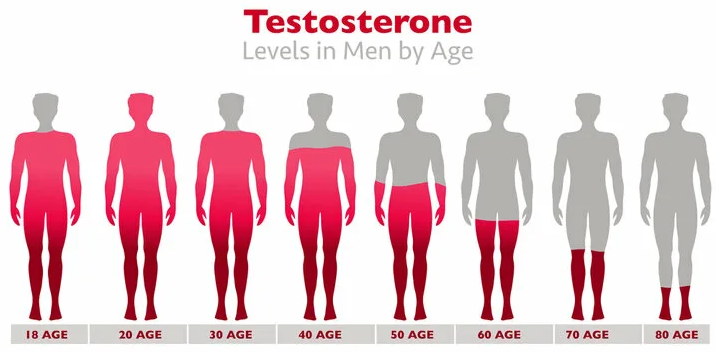
    • In men, the level of testosterone decreases with age (after 30 years-about 1% per year).
    • In women, the level changes during the cycle (maximum at ovulation).
    • It is better to take the analysis in the morning (peak secretion – 7-9 am).

    If an imbalance is suspected, you should also check LH, FSH, prolactin, SHBG, and estradiol.

  • Vitamin B₆ (pyridoxine)

    Vitamin B₆ (pyridoxine)

    Vitamin B₆ (pyridoxine) — role, norms and violations

    Vitamin B₆ is a group of compounds (pyridoxine, pyridoxal, pyridoxamine) that play a key role in the metabolism of amino acids, the synthesis of neurotransmitters and hemoglobin. The body can’t synthesize it, so it has to come from food.


    1. The role of vitamin B₆ in the body

    • Protein metabolism -participates in the breakdown and synthesis of amino acids.
    • Synthesis of neurotransmitters -serotonin, dopamine, GABA (regulation of mood and sleep).
    • Formation of hemoglobin -necessary for the synthesis of heme.
    • Immune support -affects the production of antibodies.
    • Hormone regulation -helps control levels of estrogen, testosterone, and cortisol.
    • Reduction of homocysteine (together with B₉ and B₁₂) – prevention of cardiovascular diseases.

    Active form: Pyridoxal-5-phosphate– PLP) — it is its level that is measured in the blood.


    2. The norm of vitamin B₆ in the blood

    IndicatorStandard
    Pyridoxal-5-phosphate (PLP)20-125 nmol / l (5-30 ng / ml)
    Total Vitamin B₆5-30 mcg/l

    Note:

    • In pregnant and elderly people, the need for B₆ increases.
    • A PLP level below 20 nmol / L indicates a deficiency.

    3. Vitamin B3 Deficiency: causes and symptoms

    Causes of the deficit:

    • Lack of food – a diet without meat, fish, nuts.
    • Alcoholism -disrupts the assimilation of B₆.
    • Chronic diseases (kidney failure, celiac disease).
    • Medications (isoniazid, oral contraceptives, penicillamine).

    Symptoms:

    • Dermatitis (peeling of the skin, cracks in the corners of the mouth-cheilosis).
    • Glossitis (inflammation of the tongue).
    • Microcytic anemia (due to impaired heme synthesis).
    • Neurological disorders – depression, confusion, seizures.
    • Weakened immune system– frequent infections.

    Risk groups:

    • Pregnant women (especially with toxicosis).
    • People with autoimmune diseases (rheumatoid arthritis).

    4. Excess vitamin B₆: is it possible and dangerous?

    Overdose of natural B₆ from food is not possible. However , long-term use of high-dose supplements (>100 mg / day) causes:

    Symptoms of hypervitaminosis:

    • Neuropathy – numbness and tingling in the hands/feet (reversible after withdrawal).
    • Photosensitivity – increased sensitivity to light.
    • Nausea, heartburn.

    Upper limit: 100 mg / day (for adults).


    5. Diagnosis and treatment

    Analyzes:

    1. PLP (pyridoxal-5-phosphate) in plasma is the main marker.
    2. Homocysteine (increases with B₆ deficiency).
    3. General blood test(anemia, microcytosis).

    Deficit management:

    • Pyridoxine preparations(10-50 mg / day).
    • For neuropathy due to isoniazid – up to 100 mg / day.
    • Diet:
    • Animal sources: chicken, salmon, liver.
    • Vegetable sources: bananas, potatoes, chickpeas, walnuts.

    In case of overdose:

    • Cancellation of supplements.
    • Symptomatic therapy (for example, pain relief for neuropathy).

    6. Examples of interpreting results

    PLP levelHomocysteineSymptomsDiagnosis
    < 20 nmol/lDermatitis, anemiaDeficit B₆
    > 125 nmol / lStandardNeuropathyOverdose B₆
    StandardB₉ or B₁₂ deficiency

    Important: A B₆ deficiency is often combined with a lack of other B vitamins (especially B₂ and B₃).

    Daily consumption rates

    • Adults: 1.3-1.7 mg.
    • Pregnant women: 1.9 mg.
    • Nursing mothers: 2.0 mg.

    Toxicity: Prolonged use of >200 mg / day may cause irreversible neuropathy.

  • Thesamorelin is a synthetic analog of the hormone GHRH.

    Thesamorelin is a synthetic analog of the hormone GHRH.

    Tesamorelin — a detailed review of the peptide

    Tesamorelin is a synthetic ghrelin-releasing hormone (GHRH) analogapproved by the FDA for the treatment of lipodystrophy in HIV-infected patients. , but it is also being investigated in the context of anti-aging therapy, fat burning and recovery.


    1. Mechanism of action

    Tesamorelin acts through the hypothalamic-pituitary axis:

    • Binds to GHRH receptors in the pituitary gland.
    • Stimulates the release of growth hormone (GH).
    • GH enhances the synthesis of IGF-1 in the liver, which leads to:
      • — Acceleration of lipolysis (breakdown of fat, especially visceral).
      • Improve muscle tone.
      • Нейро Neuroprotection and cognitive support.

    Difference from other GHRPs (for example, GHRP-2/6):

    • Thesamorelin does not directly affect ghrelin receptors, so it does not cause severe hunger.
    • It gives a more physiological release of GH (closer to the natural pulsation).

    2. Main effects

    ① Visceral fat reduction (main application)

    • Reduces the volume of abdominal fat by 15-20% in 3-6 months (studies in HIV patients).
    • It does not affect subcutaneous fat as much as visceral fat.

    , Anti-age effects

    • Improves skin condition (increases collagen synthesis).
    • Supports bone density.
    • May slow down sarcopenia (muscle loss with age).

    , Cognitive benefits

    • Potentially protects against neurodegeneration (Alzheimer’s disease).
    • Improves sleep quality (by normalizing GH secretion).

    ④ Sports application

    • Minor anabolic effect (less pronounced than that of IPA/The GRF mod).
    • Faster recovery from injuries.

    3. Application Protocols

    Medical dosages (for lipodystrophy)

    • 2 mg subcutaneously once a day (standard regimen).
    • Course: 6-12 months.

    For fat burning/anti-aging therapy

    • 1-2 mg / day (in the evening or in the morning on an empty stomach).
    • Optimal course: 3-6 months.

    Комбинации Combinations with other peptides

    • + CJC-1295 (without DAC) — increased GH emission.
    • + Ipamorelin -synergy without prolactin growth.

    4. Side effects

    • Hyperglycemia (GH reduces insulin sensitivity).
    • Edema/tunnel syndrome (fluid retention).
    • Headaches (rare).
    • Activation of latent tumors (contraindicated in oncology).

    Important: Monitor blood sugar and IGF-1 levels during the course.


    5.Tezamorelin vs. Other peptides

    The peptideMain actionHungerProlactin risk
    ThesamorelinReducing visceral fatNoLow
    GHRP-6Powerful GH release + AppetiteYesModerate
    IpamorelinPure GH-stimulus without hungerNoLow
    CJC-1295Prolonged GH secretionNoLow

    6. Withdrawal

    Tesamorelin is the best choice for:
    Reducing visceral fat (especially in patients with metabolic disorders).
    Anti-aging therapy (without sudden GH spikes).
    Safe course (less side effects than GHRP-2/6).

    Recommendations:

    • Start with 1 mg / day, control IGF-1.
    • Combine with diet and exercise for maximum fat burning.
    • It is contraindicated for tumors, pregnancy, and diabetes.