Блог

  • Manganese

    Manganese

    Manganese is an essential traceelement that is involved in key biochemical processes:
    Antioxidant protection -it is a part of the enzyme superoxide dismutase (Mn-SOD), which neutralizes free radicals.
    Metabolism -participates in the synthesis of:

    • Glucose (gluconeogenesis).
    • Cholesterol and fatty acids.
      Bone and cartilage formation -activates enzymes that synthesize collagen and proteoglycans.
      The work of the nervous system -affects the transmission of nerve impulses.
      Reproductive health -essential for the synthesis of sex hormones.

    Symptoms of manganese deficiency

    Deficiency is rare, but it is possible if:

    • Long -term parenteral nutrition (without Mn supplements).
    • Genetic disorders of manganese metabolism.

    Signs:

    • Bone growth disorders (osteoporosis, scoliosis in children).
    • Reduced glucose tolerance (pseudodiabetes).
    • Hypercholesterolemia.
    • Convulsions, tremors (due to neurotransmitter dysfunction).
    • Depigmentation of the skin and hair.

    Symptoms of excess manganese

    Toxicity develops when:

    • Chronic inhalation of manganese dust (in welders, miners).
    • Genetic disorders (for example, mutations in the SLC30A10 gene ).
    • Long-term intake of dietary supplements with Mn (>11 mg / day).

    Signs:

    • Neurological disorders:
    • Manganese parkinsonism (tremor, muscle rigidity).
    • Mental disorders (aggression, hallucinations).
    • Liver damage(fibrosis).
    • Cardiomyopathy.

    Norms of manganese in analyses

    The level of manganese is determined in:

    1. Whole blood (the most accurate method)

    GroupNorm (mcg/l)
    Adults4–15
    Children5–20

    2. Blood serum

    • The norm: 0.5-1.2 mcg/l.

    3. Urine (daily)

    • The norm: < 2 mcg/day.

    4. Hair/Nails

    • The norm: 0.1-1.5 mcg/g.

    Critical levels:

    • > 20 mcg / l (blood) — toxicity.
    • < 2 mcg/l (blood) — deficiency.

    When are tests scheduled?

    1. Suspected manganese poisoning (in employees of hazardous industries).
    2. Neurological symptoms (Parkinsonism of unknown origin).
    3. Osteoporosis or growth disorders in children.
    4. Control of parenteral nutrition.

    What should I do if there are deviations?

    If there is a shortage:

    • Diet: nuts (hazelnuts, pecans), whole grains, pineapple, spinach.
    • Supplements: manganese gluconate (2-5 mg / day).

    If there is an excess:

    • Chelation therapy (EDTA, dimercaprol).
    • Avoid contact with manganese dust.
    • Iron intake (reduces the absorption of Mn).

    Examples of interpretation

    • Blood manganese = 25 mcg / l + tremor → poisoning, chelation required.
    • Blood manganese = 1 mcg / l + osteoporosis → deficiency, supplements are needed.

    Conclusion

    Manganese is a vital element for antioxidant protection, metabolism, and the bone system.
    Rules:

    • Blood: 4-15 mcg/l,
    • Urine: * * <2 mcg / day**. * * * * * Deficiency leads to osteoporosis, neurological disorders. * * * Excess** (>20 mcg/l) causes Parkinsonism and liver damage.
      Лечение *Treatment*: diet, chelators (for poisoning), supplements (for deficiency).
  • Copper and ceruloplasmin

    Copper and ceruloplasmin

    Copper (Cu)

    Copper is an essential traceelement that is involved in:
    Formation of hemoglobin (together with iron).
    The work of antioxidant enzymes (superoxide dismutase, cytochrome c oxidase).
    Synthesis of collagen and elastin (important for skin, blood vessels, bones).
    Functioning of the nervous system (participates in the synthesis of neurotransmitters).
    Energy exchange (mitochondrial respiration).

    Ceruloplasmin

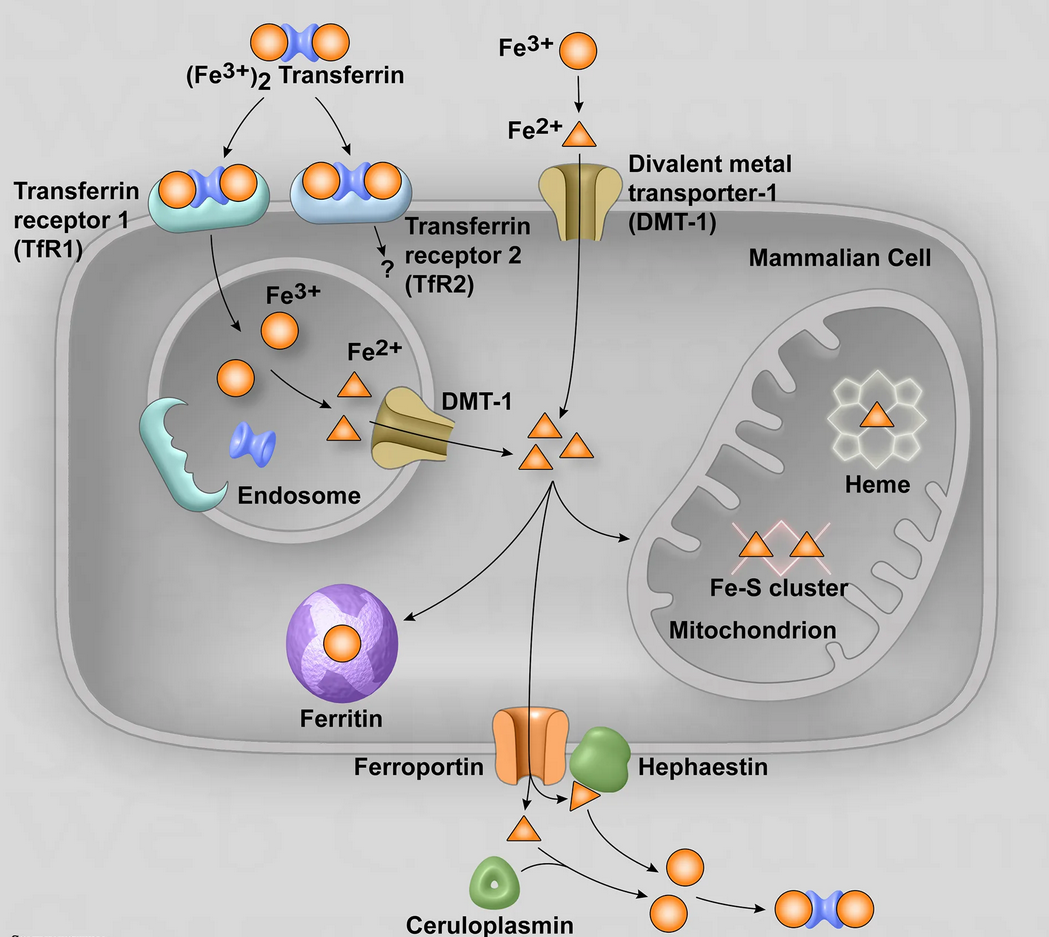
    Ceruloplasmin is a copper-containing proteinthat:
    ✔ Transports 90% of the copper in the blood.
    ✔ Participates in iron metabolism (oxidizes Fe2⁺ to Fe3⁺ to bind to transferrin).
    ✔ It has antioxidant properties (protects cells from oxidative stress).


    Symptoms of copper and ceruloplasmin deficiency

    Causes of the deficit:

    • Genetic disorders (Menkes disease -a mutation in the ATP7A gene ).
    • Long -term parenteral nutrition (without copper).
    • Excess zinc (competing for intestinal absorption).

    Symptoms:

    • Anemia (not treatable with iron).
    • Fragility of blood vessels and bones (violation of collagen synthesis).
    • Neurological disorders (seizures, developmental delay in children).
    • Depigmentation of the skin and hair (disruption of tyrosinase).
    • Reduced immunity (frequent infections).

    Symptoms of excess copper and ceruloplasmin

    Causes of excess:

    • Genetic disease Wilson-Konovalov disease (violation of copper excretion).
    • Chronic liver diseases (cirrhosis, cholestasis).
    • Copper poisoning (rare).

    Symptoms:

    • Liver damage(hepatitis, cirrhosis).
    • Neurological disorders (tremor, dysarthria, dementia).
    • Kaiser-Fleischer rings (greenish-brown rings around the edge of the cornea).
    • Mental disorders (depression, psychosis).

    Norms in analyses

    Copper in the blood (serum)

    GroupNorm (mcg / dl)Norm (mmol / l)
    Adults70–14011–22
    Children50–1208–19
    Pregnant women90–23014–36

    Ceruloplasmin in the blood

    GroupNorm (mg / dl)Norm (g / l)
    Adults20–600.2–0.6
    Children15–500.15–0.5

    Copper in daily urine

    • Norm: < 50 mcg/day (< 0.8 mmol/day).
    • For Wilson’s disease: > 100 mcg / day.

    When are tests scheduled?

    1. Suspected Wilson’s disease (neurological symptoms + liver damage).
    2. Anemiathat cannot be treated with iron.
    3. Assessment of nutrition status (with parenteral nutrition).
    4. Diagnosis of Menkes ‘ disease in children (hypotension, developmental delay).

    What should I do if there are deviations?

    With a copper deficiency:

    • Diet: liver, seafood, nuts, cocoa.
    • Supplements: copper gluconate (2-4 mg / day).

    If there is an excess of copper (Wilson’s disease):

    • Chelators (penicillamine, trientin).
    • Zinc (blocks the absorption of copper in the intestines).
    • Diet: avoid copper-rich foods (chocolate, mushrooms, shellfish).

    Examples of interpretation

    • Copper in the blood = 30 mcg / dl + anemia → deficiency, need supplements.
    • Ceruloplasmin = 10 mg / dl + Kaiser-Fleischer rings → Wilson’s disease.

    Conclusion

    Copper and ceruloplasmin are key elements for antioxidant protection, iron metabolism, and nervous system function.
    Rules:

    • Copper: 70-140 mcg / dl (serum),
    • Ceruloplasmin: 20-60 mg / dl.
      Deficiency causes anemia, neurological disorders.
      Excess (Wilson’s disease) leads to liver and brain damage.
      Treatment: diet, chelators (in excess), copper supplements (in deficiency).

    Important: If Wilson’s disease is suspected, check the copper in the urine and the level of free copper in the blood.

  • Selenium

    Selenium

    Selenium is a vital microelement-an antioxidantthat is part of more than 25 proteins (selenoproteins). Its main functions are:

    1. Antioxidant protection:
    • It is a part of glutathione peroxidase , an enzyme that neutralizes free radicals.
    1. Thyroid Support:
    • It is involved in the conversion of the hormone T4 (thyroxine) to T3 (triiodothyronine).
    1. Immunity:
    • Increases the activity of NK cells and T-lymphocytes.
    1. Detoxification:
    • Binds heavy metals (mercury, cadmium).
    1. Reproductive health:
    • It is necessary for sperm motility in men.

    Symptoms of selenium deficiency

    Deficiency occurs in regions with a low content of selenium in the soil (for example, some areas of China and Russia).

    Main features:

    • Weakness, muscle aches (due to oxidative stress).
    • Violation of the thyroid gland (hypothyroidism, goiter).
    • Reduced immunity (frequent infections).
    • Infertility in men (oligospermia).
    • Keshan’s disease (cardiomyopathy, found in endemic areas).

    Risk groups:

    • Vegans/vegetarians (exclude meat, fish).
    • People with Crohn ‘s disease or celiac disease (malabsorption).
    • Residents of regions with a selenium deficiency in the soil.

    Symptoms of excess selenium (selenosis)

    Overdose is possible with prolonged supplementation (>400 mcg / day).

    Signs:

    • Garlic breath odor (release of dimethyl selenide).
    • Hair loss, brittle nails.
    • Nausea, diarrhea.
    • Neurological disorders (irritability, tremor).

    Dangerous doses:

    • > 900 mcg / day – risk of acute poisoning (vomiting, liver damage).

    Selenium standards in analyses

    The selenium level is determined in:

    1. Blood (serum/plasma) — reflects the current intake.
    2. In the urine – shows a long-term balance.
    3. Hair/nails – accumulation over several months.

    Reference values:

    BiomaterialStandard
    Blood (mcg/l)70–150
    Urine (mcg/l)20–100
    Hair (mcg/g)0.8–2.5

    Critical levels:

    • < 50 mcg/l (blood) — deficiency.
    • > 200 mcg / l (blood) – excess.

    When is the test scheduled?

    1. Suspected selenium deficiency/excess.
    2. Hypothyroidism of unknown origin.
    3. Male infertility.
    4. Living in endemic regions.

    How to normalize selenium levels?

    If there is a shortage:

    • Products:
    • Brazil nuts (1 nut = 50-100 mcg).
    • Tuna, eggs, liver, garlic.
    • Supplements:
    • Selenomethionine (100-200 mcg / day).

    If there is an excess:

    • Cancellation of supplements.
    • Increase the intake of sulfur-containing amino acids (methionine, cysteine) for detoxification.

    Examples of deviations

    • Selenium = 40 mcg / l (blood) + hypothyroidism → taking selenomethionine 100 mcg / day.
    • Selenium = 250 mcg / l + hair loss → elimination of dietary supplements.

    Conclusion

    Selenium is a key antioxidant and thyroid regulator.
    Rules:

    • Blood: 70-150 mcg/l,
    • Urine: 20-100 mcg/l
      . Дефицит Deficiency causes weakness, hypothyroidism, and immunodeficiency.
      Excess (>200 mcg/l – — toxic (damage to hair, nails, nervous system).
      Optimal dose: 50-200 mcg / day (from food or supplements).

    Important: Brazil nuts are record holders for selenium, but 2-3 pieces a day is enough!

  • D-dimer (fibrinolytic activity)

    D-dimer (fibrinolytic activity)

    Why is it needed?

    D-dimer is a breakdown product of fibrin, which is formed during the dissolution of blood clots (fibrinolysis). The analysis is used for:
    Diagnosis of thrombosis (PE, deep vein thrombosis).
    Elimination of thrombosis (at low level).
    Monitoring of anticoagulant treatment.
    Assessment of the risk of DIC (disseminated blood coagulation).


    The role of D-dimer in the body

    1. Blood clot marker:
    • When a blood clot forms, fibrinolysis is activated – the process of destruction of fibrin.
    • D-dimer is a ‘fragment’ of broken fibrin, its level increases in the presence of a blood clot.
    1. Missing normally:
    • In a healthy body, the D-dimer is either undetectable or present in minimal amounts.

    Symptoms of abnormalities

    With an increased D-dimer (hypercoagulation)

    • Deep vein thrombosis (DVT):
    • Swelling, pain, and redness of the leg.
    • Pulmonary embolism (PE):
    • Shortness of breath, chest pain, hemoptysis.
    • DIC-syndrome:
    • Bleeding, multiple blood clots.
    • Pregnancy, cancer, COVID-19:
    • Moderate elevation without obvious symptoms.

    With a reduced D-dimer

    • Normal condition (excludes active thrombosis).
    • Lack of fibrinolysis (rarely, with genetic disorders).

    D-dimer norms in assays

    It is measured in blood plasma (sodium citrate). References depend on the method:

    MethodStandardPathology
    ELISA (mcg / ml)< 0.5> 0.5 – risk of thrombosis
    Quantitative (ng / ml)< 250–500> 500 – requires additional testing

    Notes:

    • In pregnant women, the level increases (up to 1500 ng / ml in the third trimester).
    • Temporarily upgraded after operations/injuries .
    • In the elderly , the reference values are higher (up to 800 ng / ml).

    When is the test scheduled?

    1. Suspected PE/DVT (combined with ultrasound, CT).
    2. Control of DIC syndrome.
    3. Monitoring of anticoagulant therapy (heparin, warfarin).

    What should I do if I have an elevated D-dimer?

    1. Exclude thrombosis:
    • Ultrasound of the veins, CT angiography of the lungs.
    1. Anticoagulant therapy:
    • Heparin (unfractionated or low molecular weight).
    • Direct anticoagulants (apixaban, rivaroxaban).
    1. With DIC-syndrome:
    • Plasma transfusion, heparin.

    Examples of interpretation

    • D-dimer = 1200 ng / ml + dyspnea → urgent CT scan to exclude PE.
    • D-dimer = 300 ng / ml → thrombosis is unlikely.

    Conclusion

    D-dimer is a key marker of fibrinolysis and thrombosis.
    , The norm: < 500 ng / ml (method dependent).
    Increase:

    • >500 ng / ml → look for thrombosis/DIC.
    • The references are higher for pregnant and elderly women.
      Low levels exclude active thrombosis.

    Example: With a D-dimer of 50 ng/ml , thrombosis is unlikely, with 1500 ng/ml , an urgent diagnosis is needed.

  • ApoA1 / ApoV ratio

    ApoA1 / ApoV ratio

    Why is it needed?

    This test evaluates the balance between’ good ‘and’ bad ‘ cholesterol and is a more accurate marker of the risk of atherosclerosis than the standard lipid profile.

    What do apolipoproteins do?

    • ApoA1 is the main protein of high-density lipoproteins (HDL, ‘good cholesterol’):
    • Removes excess cholesterol from the blood vessels and transports it to the liver for elimination.
    • It has anti-atherosclerotic and anti-inflammatory effects.
    • apoB is the main protein of low-density lipoproteins (LDL, ‘bad cholesterol’):
    • Delivers cholesterol to the walls of blood vessels, contributing to the formation of plaques.
    • It is also found in very low-density lipoproteins (VLDL) and lipoprotein (a).

    The ApoA1/apoB ratio reflects the balance between protective and atherogenic particles.


    Symptoms of an imbalance

    At a low ratio (ApoV ↑, ApoA1 ↓)

    • Atherosclerosis:
    • Angina pectoris, risk of heart attack/stroke.
    • Ischemia of the lower extremities (intermittent claudication).
    • Metabolic disorders:
    • Obesity, insulin resistance.
    • Fatty liver disease.

    With a high ratio (ApoA1 ↑, ApoV ↓)

    • Rarely causes problems, but may indicate that:
    • Hyperthyroidism.
    • Genetic mutations (for example, ApoV deficiency).

    Norms in analyses

    The test is performed in blood (serum) by immunoturbidimetry.

    ParameterStandardPathology
    ApoA1 (g / l)1.0-2.0 (male)
    1.2-2.2 (women)
    <0.9 – high risk of atherosclerosis
    ApoV (g / l)0.5–1.3>1.3-atherogenic profile
    ApoA1/ApoV ratio> 1.0 (optimum – 1.5-2.5)< 0.8 – high cardiovascular risk

    Note:

    • In women, ApoA1 levels are higher (due to estrogens).
    • In children, the norm is lower (ApoA1: 0.8-1.6 g / l, ApoV: 0.4-1.0 g/l).

    When is the test scheduled?

    1. Assessment of the risk of atherosclerosis (especially in familial hypercholesterolemia).
    2. Monitoring of treatment with statins or fibrates.
    3. Diagnosis of dyslipidemia (for example, low ApoA1 in metabolic syndrome).

    What should I do if there are deviations?

    At a low ratio (ApoA1/ApoV < 0.8)

    1. Reducing ApoS:
    • Statins (rosuvastatin, atorvastatin).
    • PCSK9 inhibitors (alirocumab for statin resistance).
    1. Increasing ApoA1:
    • Fibrates (fenofibrate).
    • Physical activity (aerobic training increases HDL).
    1. Diet:
    • Omega-3 fatty acids (salmon, flaxseed oil).
    • Olive oil, avocado.

    When the ratio is high (rarely requires correction)

    • Exclude hyperthyroidism.

    Comparison with traditional lipid tests

    ParameterWhat it showsAdvantages of ApoA1/ApoV
    LDL (cholesterol)The amount of «bad» cholesterolTakes into account all atherogenic particles (not only LDL, but also VLDL, LP(a))
    HDL (cholesterol)The level of ‘good’ cholesterolReflects the functional state of HDL (ApoA1-their main protein)

    Example of risk calculation

    For the patient:

    • ApoA1 = 1.1 g / l, apoB = 1.4 g/l.
    • Ratio = 1.1 / 1.4 = 0.79 (high risk).

    Recommendations: Prescribe statins, change your diet.


    Conclusion

    The ApoA1/apoB ratio is the gold standard for evaluating the lipid profile.
    Rules:

    • ApoA1: 1.0-2.2 g / l,
    • ApoV: 0.5-1.3 g / l,
    • Ratio: > 1.0 (ideally 1.5-2.5).
      A low ratio (<0.8) is a reason for aggressive prevention of heart attack.
      Correction: statins, fibrates, Mediterranean diet.

    Example: If ApoV = 1.5 g / l and ApoA1 = 0.9 g/L , the risk of atherosclerosis is extremely high and urgent treatment is required.

  • Lp-PLA2 (lipoprotein-bound phospholipase A2)

    Lp-PLA2 (lipoprotein-bound phospholipase A2)

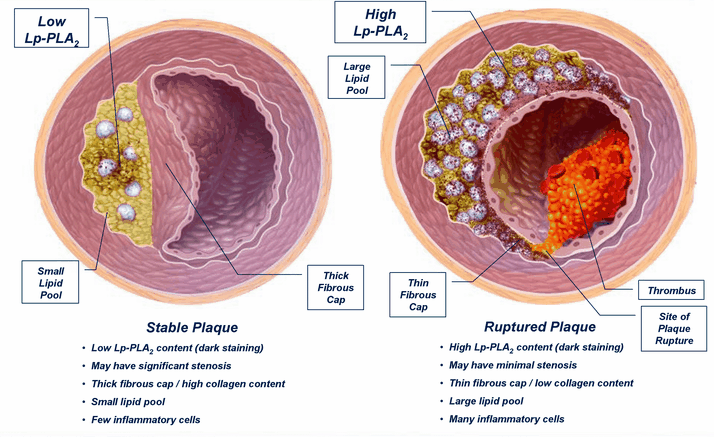
    Lp-PLA2 is an enzyme associated with low-density lipoproteins (LDL), which plays a dual role:

    Functions:

    1. Pro-inflammatory activity:
    • It breaks down oxidized phospholipids into LDL, releasing lysophosphatidylcholine and oxidized fatty acids. :
      • Attract macrophages to the walls of blood vessels.
      • Contribute to the formation of atherosclerotic plaques.
    1. Risk biomarker:
    • A high level of Lp-PLA2 indicates instability of plaques and the risk of their rupture (heart attack, stroke).

    Where is it produced?

    • Mainly in macrophages and lymphocytesassociated with atherosclerotic lesions.

    Symptoms and consequences of Lp-PLA2 imbalance

    In excess (high risk of vascular events)

    • Atherosclerosis:
    • Progression of plaques in the coronary and carotid arteries.
    • Risk of acute coronary syndromes (infarction).
    • Stroke:
    • Association with inflammation in the cerebral vessels.
    • Absence of external symptoms before the catastrophe develops (analysis is the only way to identify the risk).

    In case of shortage (extremely rare)

    • It is not clinically relevant, as Lp-PLA2 is not a vital enzyme.

    Lp-PLA2 standards in analyses

    The level is measured in the blood (serum or plasma) by two methods:

    1. Enzyme activity (nmol / min / ml):
    • The norm: < 150 nmol / min / ml.
    • High risk: > 200 nmol / min / ml.
    1. Mass concentration (ng / ml):
    • Low risk: < 200 ng / ml.
    • Moderate risk: 200-235 ng / ml.
    • High risk: > 235 ng / ml.

    When is the test scheduled?

    • Assessment of the risk of cardiovascular diseases (especially in patients with intermediate risk on the SCORE scale).
    • Control of atherosclerosis, diabetes, hypertension.
    • Monitoring the effectiveness of statins (reduce Lp-PLA2).

    What should I do with elevated Lp-PLA2?

    1. LDL Reduction:
    • Statins (atorvastatin, rosuvastatin).
    • Ezetimibe (cholesterol absorption inhibitor).
    1. Anti-inflammatory therapy:
    • Dapagliflozin (an SGLT2 inhibitor) reduces Lp-PLA2 in diabetics.
    1. Changing your lifestyle:
    • Mediterranean diet (olive oil, omega-3).
    • Smoking cessation (increases LDL oxidation).

    Interesting facts

    • Lp-PLA2 is independent of C-reactive protein (CRP), making it an independent marker of vascular inflammation.
    • The test is especially useful for patients with normal cholesterol, but a high risk of heart attack.

    Conclusion

    Lp-PLA2 is an enzyme that increases inflammation in atherosclerotic plaques.
    Rules:

    • By activity: < 150 nmol / min / ml.
    • By weight: < 200 ng / ml** (low risk). **Increase (>235 ng / ml) — a signal for aggressive prevention of heart attack/stroke.
      Correction: statins, LDL control, anti-inflammatory diet.
  • Immunophenotyping of lymphocytes (CD3, CD4, CD8, NK, etc.)

    Immunophenotyping of lymphocytes (CD3, CD4, CD8, NK, etc.)

    Why is it needed?

    This test evaluates the composition and functional state of lymphocytes – key cells of the immune system. It helps you:
    ✔ Diagnose immunodeficiency disorders (HIV, congenital disorders).
    Control autoimmune and oncological diseases (leukemias, lymphomas).
    Evaluate the effectiveness of therapy (for example, for HIV or after transplantation).


    What do Markers (CD) define?

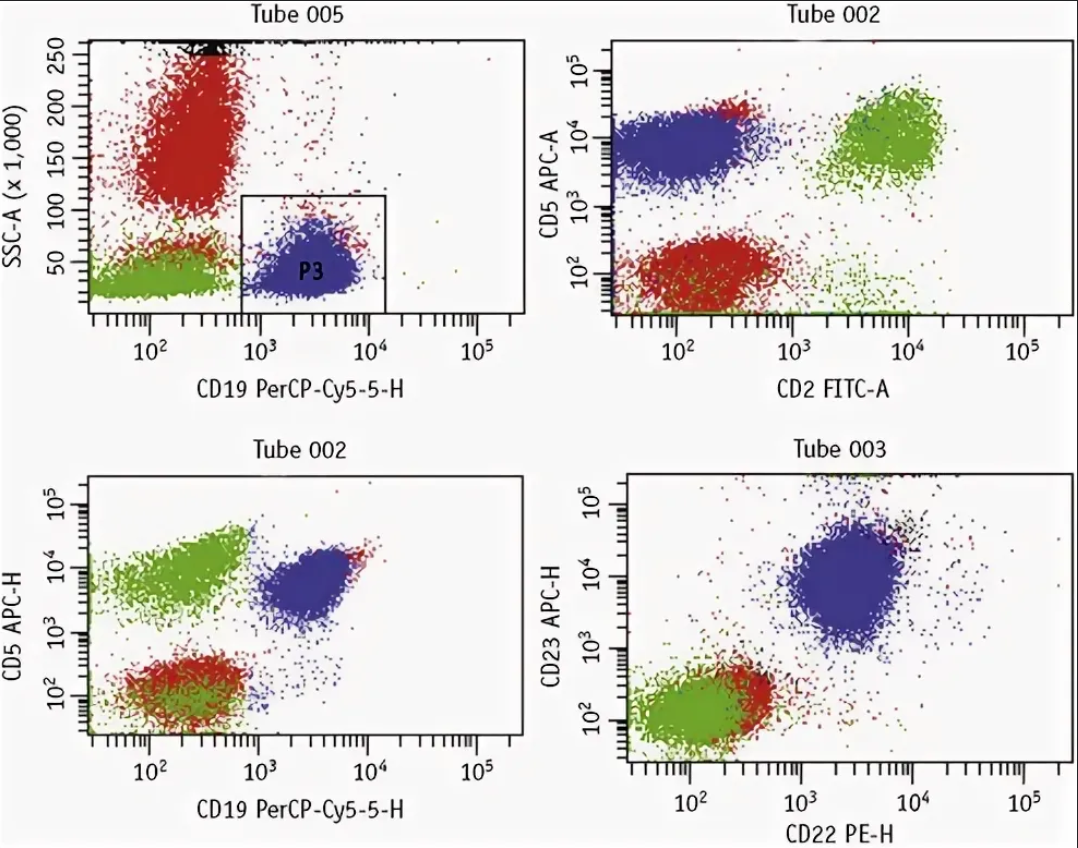
    Each CD (cluster of differentiation) is a protein on the surface of cells that indicates their type and function:

    MarkerCell typeRole in immunity
    CD3+T-lymphocytesThe main «managers» of the immune response.
    CD4+T-helpersThey activate other cells (B-lymphocytes, macrophages).
    CD8+T-killersThey destroy infected and cancerous cells.
    CD19+/CD20+B-lymphocytesThey produce antibodies.
    CD16+/CD56+NK cellsThey kill viruses and tumors without prior ‘training’.

    Symptoms of abnormalities

    Lymphocyte deficiency (immunodeficiency)

    • Frequent infections (pneumonia, fungal infections).
    • Autoimmune complications (due to an imbalance of immunity).
    • Cancer risks (in case of NK-cell deficiency).

    Reasons:

    • HIV (reduced CD4+).
    • Chemotherapy, radiation.
    • Congenital disorders (for example, SCID — ‘bubble boy syndrome’).

    Excess lymphocytes (hyperactivation)

    • Autoimmune attacks (rheumatoid arthritis, multiple sclerosis).
    • Allergies (with a Th1/Th2 imbalance).
    • Lymphoproliferative diseases (leukemias).

    Reasons:

    • Chronic infections (hepatitis, tuberculosis).
    • Autoimmune diseases.
    • Lymphoma.

    Norms in analysis

    The results are presented in % of the total number of lymphocytes and absolute numbers (cells/µl).

    Cell populationRelative quantity (%)Absolute quantity (cells/µl)
    CD3+ (T lymphocytes)60–80%900–2200
    CD4+ (T-helper cells)30–60%500–1400
    CD8+ (T-killers)20–40%300–800
    CD4 / CD8 index1.0–2.5
    CD19+ (B-lymphocytes)5–20%100–500
    CD16+ / CD56+ (NK cells)5–20%100–500

    Important:

    • In children under 5 years of age, the norm is higher (especially for B and NK cells).
    • In HIV , the critical level of CD4+ is < 200 cells/µl (risk of AIDS-associated diseases).

    When is the test scheduled?

    1. Suspected immunodeficiency:
    • Frequent acute respiratory viral infections, herpes, candidiasis.
    1. HIV diagnosis:
    • Monitoring of CD4+ and viral load.
    1. Autoimmune diseases:
    • Rheumatoid arthritis, lupus.
    1. Oncology:
    • Leukemias, lymphomas (determine the type of tumor).

    How can I correct deviations?

    With CD4+ deficiency (HIV):

    • Antiretroviral therapy (ART).
    • Prevention of opportunistic infections.

    In case of excessive activity (autoimmune diseases):

    • Immunosuppressants (methotrexate, infliximab).

    To support NK cells:

    • Zinc, vitamin D, and echinacea.

    Sample result


    Conclusion: Immune status is normal.


    Conclusion

    Имму Immunophenotyping – ‘passport’ of immunity, showing the balance of protective cells.
    Rules:

    • CD4+: 500-1400 cells/µl,
    • CD4 / CD8 index: 1.0-2.5.
      Снижение A decrease in CD4+ is a sign of immunodeficiency, an increase in CD8+ is a possible chronic infection.
      Treatment depends on the cause (ART, immunocorrection).
  • TNF-alpha

    TNF-alpha

    Role of TNF-α (Tumor necrosis factor-alpha) in the body

    TNF-α is a pro-inflammatory cytokine that plays a key role in:

    Immune Defense – activates macrophages and neutrophils to fight infections.
    Apoptosis -triggers the death of damaged or cancerous cells.
    In inflammation , it increases the production of other cytokines (IL-1, IL-6).
    Metabolism -affects insulin resistance and lipolysis.
    Thermoregulation – causes fever in infections.


    Symptoms and consequences of TNF-α imbalance

    In excess (hyperinflammation)

    • Acute conditions:
    • Sepsis, cytokine storm (shock, multiple organ failure).
    • Severe infections (COVID-19, tuberculosis).
    • Chronic diseases:
    • Autoimmune diseases (rheumatoid arthritis, Crohn’s disease).
    • Atherosclerosis, type 2 diabetes.
    • Depression, neurodegeneration (Alzheimer’s disease).

    In case of shortage (extremely rare)

    • Susceptibility to infections (especially intracellular ones, such as tuberculosis).
    • Impaired wound healing.
    • Reduced antitumor immunity.

    Note: The complete absence of TNF-α occurs in rare genetic mutations.


    TNF-α standards in assays

    The level of TNF-α is measured in the blood serum by ELISA. References depend on the laboratory, but usually:

    ConditionTNF-a level (pg / ml)
    Healthy people< 8.1
    Mild inflammation8.1–15
    Acute inflammation15–50
    Autoimmune diseases/sepsis> 50 (up to 1000+)

    When is the test scheduled?

    • Suspected sepsis, autoimmune diseases.
    • Monitoring of therapy with biologics (TNF-α inhibitors).
    • Assessment of the severity of COVID-19 and rheumatoid arthritis.

    What should I do if there are deviations?

    At high TNF-α

    1. Drug therapy:
    • TNF-α inhibitors (adalimumab, infliximab for rheumatoid arthritis).
    • Corticosteroids (prednisone).
    1. Natural methods:
    • Curcumin, omega-3 (reduce inflammation).
    • Low-carb diet (reduces insulin resistance).

    At low TNF-α

    • Treatment of basic immunodeficiency.
    • Vaccination (according to indications).

    Interesting facts

    • TNF-α and cancer: in low doses it protects against tumors, in high doses it can stimulate their growth.
    • Depression: Chronically elevated TNF-α disrupts serotonin production.

    Conclusion

    T TNF-α is the ‘guardian’ of immunity, but in excess it destroys tissues.
    Норма Norm: < 8.1 pg / ml (blood).
    Increase:

    • >15 pg / ml – acute inflammation,
    • >50 pg / ml – risk of multiple organ complications.
      Correction: biologics, anti-inflammatory diet.

    Example: In rheumatoid arthritis, a TNF-α level of > 20 pg / ml is an indication for adalimumab.

  • IL-6 (interleukin-6)

    IL-6 (interleukin-6)

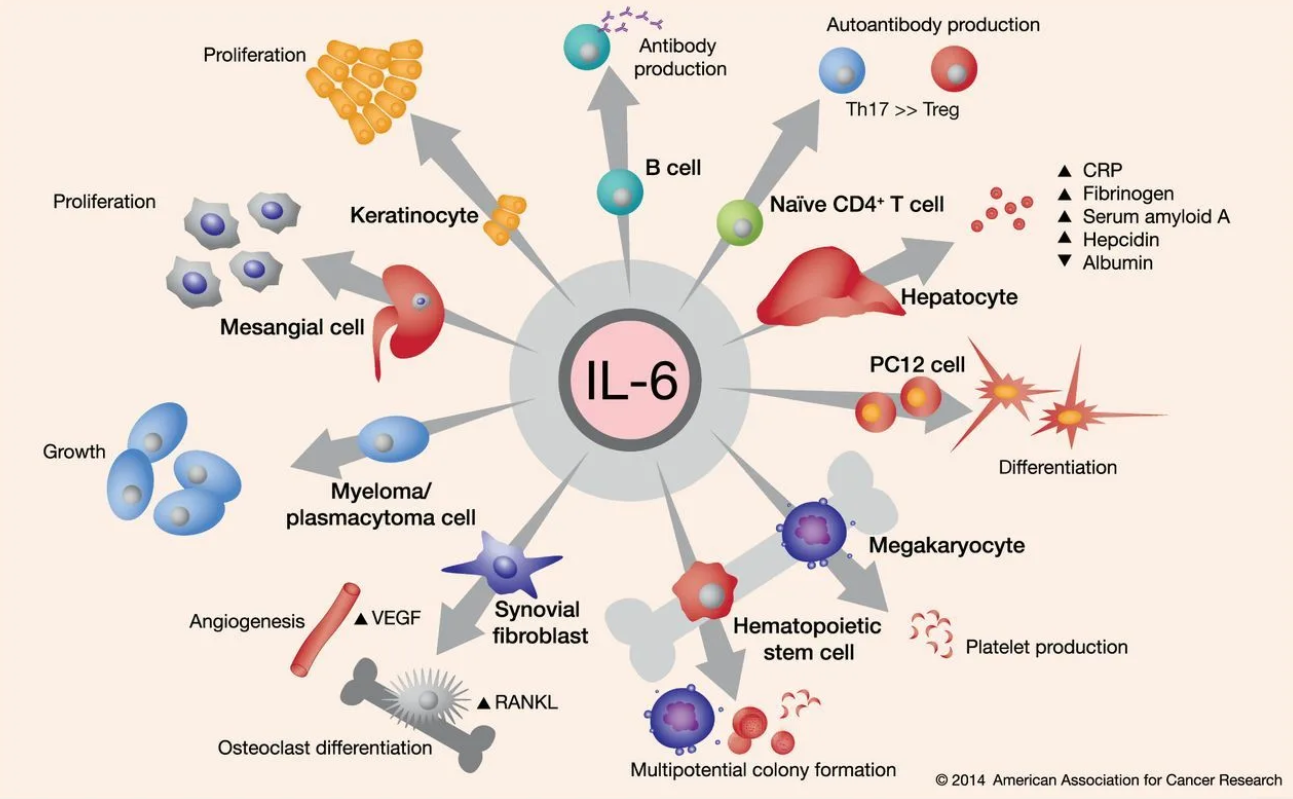
    The role of interleukin-6 (IL-6) in the body

    IL-6 is a multifunctional cytokinethat plays a key role in:
    Immune response (activates inflammation in infections).
    Hematopoiesis (stimulates the production of platelets and white blood cells).
    Metabolism (affects insulin resistance, lipolysis).
    Tissue regeneration (wound healing, muscle recovery).
    Neuroprotection and neuroinflammation (associated with depression, Alzheimer’s disease).


    Symptoms and consequences of IL-6 imbalance

    In excess (hyperimmune response)

    • Acute inflammation:
    • Fever, joint pain (for COVID-19, rheumatoid arthritis).
    • Cytokine storm (a dangerous condition in severe infections).
    • Chronic diseases:
    • Autoimmune diseases (rheumatoid arthritis, lupus).
    • Atherosclerosis, type 2 diabetes (IL-6 increases insulin resistance).
    • Depression, dementia (due to neuroinflammation).

    When deficient (rare)

    • Susceptibility to infections (reduced immune response).
    • Anemia (violation of the production of red blood cells).
    • Delayed wound healing.

    Note: Complete absence of IL-6 is extremely rare (genetic mutations).


    IL-6 standards in assays

    The level of IL-6 is measured in the blood serum (less often-in the cerebrospinal fluid).

    ConditionIL-6 level (pg / ml)
    Healthy people< 7
    Mild inflammation7–20
    Acute inflammation20–100
    Severe infections/cytokine storm> 100 (can reach 1000+)

    When is the test scheduled?

    • Suspected sepsis, COVID-19.
    • Autoimmune diseases (rheumatoid arthritis).
    • Assessment of the risk of cardiovascular diseases.
    • Diagnosis of depression (at a high level).

    What should I do if there are deviations?

    With high IL-6

    1. Anti-inflammatory therapy:
    • IL-6 inhibitors (tocilizumab — for rheumatoid arthritis, cytokine storm).
    • Corticosteroids (dexamethasone).
    1. Lifestyle correction:
    • Omega-3 fatty acids, curcumin (reduce inflammation).
    • Intermittent fasting (reduces IL-6).

    When IL-6 is low

    • Treatment of the underlying disease (for example, immunodeficiency).
    • Vaccination (if you are prone to infections).

    Interesting facts

    • IL-6 and aging: Chronically elevated levels accelerate aging.
    • Sports: A short-term increase in IL-6 after exercise stimulates muscle growth.

    Conclusion

    IL-6 — ‘two-faced’ cytokine: protects against infections, but in excess harms the body.
    Норма Norm: < 7 pg / ml (blood).
    Increase:

    • >20 pg / ml – acute inflammation,
    • >100 pg / ml – threat of a cytokine storm.
      Correction: medications (tocilizumab), diet, control of chronic diseases.
  • Organic acids in urine (OAT test)

    Organic acids in urine (OAT test)

    Why is it needed?

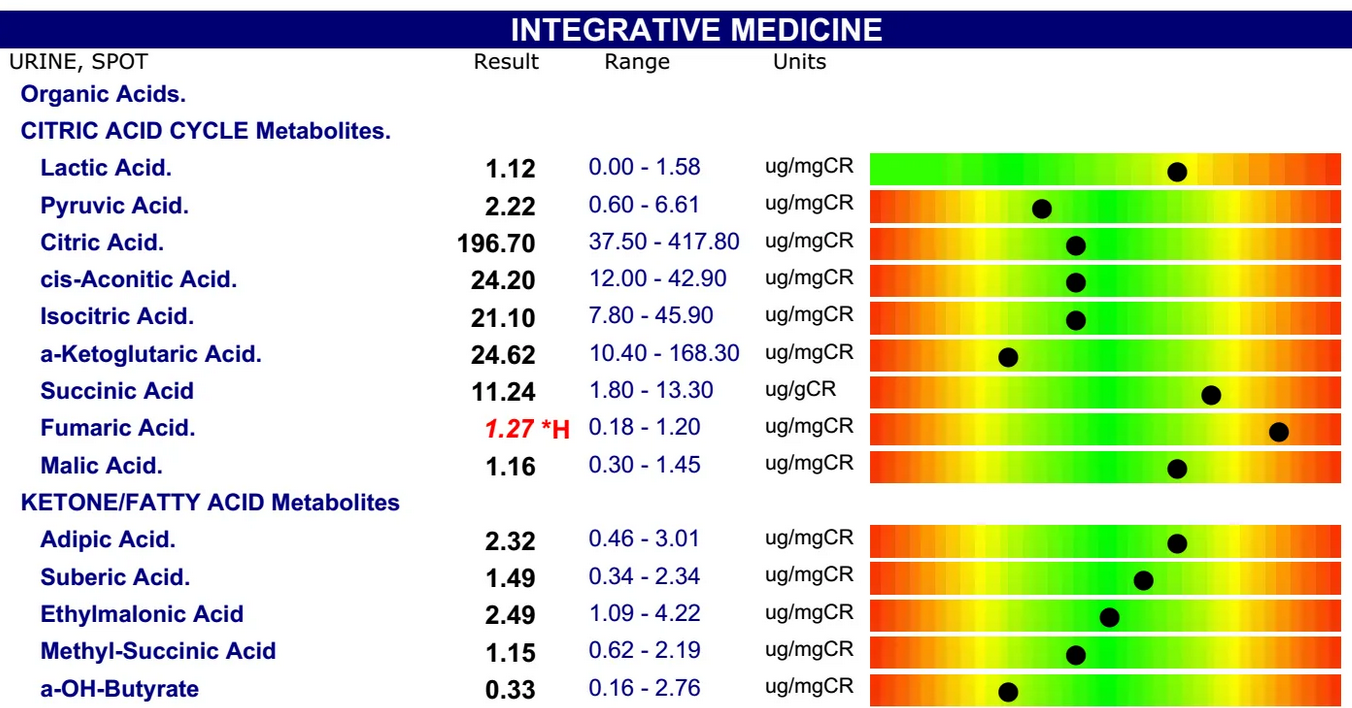
    The OAT test (Organic Acids Test) is a comprehensive analysis that evaluates metabolites (metabolic products) in the urine. These substances reflect the work of:
    Mitochondria (energy exchange).
    Intestinal microbiota.
    Detoxification systems.
    Neurotransmitter balance.

    The test helps to identify:

    • Mitochondrial dysfunction.
    • Lack of vitamins (B12, B6, biotin).
    • Fungal / bacterial infections (candida, Clostridium).
    • Metabolic disorders (for example, lactate acidosis).

    What does the OAT test measure?

    The analysis includes 70 + markersgrouped together:

    1. Energy exchange (Krebs cycle):
    • Lactate, pyruvate – signs of hypoxia or mitochondrial dysfunction.
    • Citrate, alpha-ketoglutarate – indicators of the effectiveness of the Krebs cycle.
    1. Microbial metabolites:
    • D-lactate, hydroxymethylglutarate (candida, clostridium).
    • Phenylpropionate, benzoate (excess of pathogenic bacteria).
    1. Detoxification:
    • Sulfates, glutathione-markers of liver load.
    1. Neurotransmitters:
    • Vanillylmandelate – VMA) is a metabolite of epinephrine/norepinephrine.
    • Homovanilic acid (HVA) is a breakdown product of dopamine.
    1. Oxidative stress:
    • 8-OH-deoxyguanosine is a marker of DNA damage.

    Symptoms of abnormalities

    If there is an excess of markers

    • Lactate / pyruvate – chronic fatigue, muscle pain (mitochondrial dysfunction).
    • D-lactate – — ‘fog in the head’, confusion (candidiasis, SIBR).
    • Quinolinate – anxiety, depression (inflammation in the brain).
    • Methylmalonic acid ↑ is a B12 deficiency.

    If there is a shortage of markers

    • Low alpha-ketoglutarate – lack of energy, anemia.
    • Reduced sulfates – poor detoxification (allergies, chemical sensitivity).

    Standards in the OAT test

    Specific references depend on the laboratory, but the approximate ranges are:

    MarkerReference values
    Lactate<2.0 mg / g creatinine
    Pyruvate0.5-1.5 mg / g
    D-Lactate<0.2 mg / g
    Methylmalonic Acid<3.0 mmol / g
    8-ONE-deoxyguanosine<5.0 ng / mg

    Note:

    • The results are normalized to creatinine (to take into account the concentration of urine).
    • References may differ for children and adults.

    What should I do if there are deviations?

    1. Vitamin deficiency:
    • With high methylmalonate – B12 (methylcobalamin).
    • At high quinolinate – B6 (P-5-P).
    1. Intestinal dysbiosis:
    • Probiotics (Lactobacillus, Bifidobacterium).
    • Antimicrobial agents (berberine, caprylic acid).
    1. Mitochondrial support:
    • CoQ10, L-carnitine, magnesium.
    1. Detoxification:
    • Glutathione, N-acetylcysteine (NAC).

    When is the OAT test scheduled?

    • Chronic fatigue, fibromyalgia.
    • Neurological disorders (autism, ADHD).
    • Food intolerances and allergies.
    • Suspected candidiasis or SIBR.

    How do I take the test?

    • Morning urine (the first portion after sleep).
    • Exclude within 48 hours :
    • Alcohol, caffeine.
    • Vitamin supplements (especially B2, B12).

    Conclusion

    The OAT test is a window into your metabolism that shows an imbalance of energy, microbiota, and detoxification.
    Нормы Norms are individual, but key markers are:

    • Lactate <2.0 mg / g,
    • Methylmalonic acid <3.0 mmol / g
      . Коррек Correction depends on the detected disorders (vitamins, probiotics, antioxidants).