Рубрика: Uncategorized

uncategorized-ru

  • Peptide B7-33-fibrosis suppression, apelin hormone effect

    Peptide B7-33-fibrosis suppression, apelin hormone effect

    Peptide B7-33 is a synthetic peptide that is actively studied in scientific research due to its potential therapeutic properties, especially in the field of cardiology. It was developed as an agonist (activator) of receptors associated with the protective mechanisms of the heart. The focus is on its ability to mimic the effects of the hormone apelin, which plays an important role in regulating the cardiovascular system.

    Main Characteristics of B7-33 peptide:

    1. Structure:
      • B7-33 is a short peptide consisting of amino acids. Its structure is optimized for interaction with apelin receptors (APJ receptors), which are expressed in the heart and blood vessels.
    2. Mechanism of action:
      • The peptide binds to APJ receptors, activating signaling pathways that help protect the heart from damage caused by ischemia (lack of blood supply) and reperfusion (restoration of blood flow after ischemia).
      • It improves heart muscle function, reduces oxidative stress and inflammation, and promotes the survival of cardiomyocytes (heart cells).
    3. Therapeutic potential:
      • B7-33 is being studied as a potential treatment for cardiovascular diseases such as myocardial infarction, heart failure, and coronary heart disease.
      • It can help reduce heart damage after a heart attack and improve tissue repair.
    4. Advantages over apelin:
      • Apelin is a naturally occurring peptide that is rapidly degraded in the body, which limits its therapeutic use. B7-33 has been developed to increase stability and duration of action, making it more suitable for clinical use.
    5. Researches:
      • Preclinical animal studies have shown that B7-33 effectively protects the heart from ischemic-reperfusion injury.
      • Scientists are also exploring its potential application in other areas, such as diabetes and metabolic disorders, since APJ receptors are involved in the regulation of metabolism.
    6. Current status:
      • As of October 2023, B7-33 is currently undergoing preclinical research. Further clinical trials are needed to confirm its safety and efficacy in humans.

    The prospects:

    Peptide B7-33 is a promising candidate for the development of new drugs aimed at the treatment of cardiovascular diseases. Its ability to protect the heart and improve its function makes it an important target for further research.

    At the time of October 2023, there are not many direct studies on the effect of B7-33 peptide on liver fibrosis. However, it is possible to suggest potential mechanisms of its action based on the known data on its interaction with apelin receptors (APJ receptors) and their role in pathological processes, including fibrosis.

    Possible mechanisms of B7-33 influence on liver fibrosis:

    1. Activation of APJ receptors:
      • B7-33 is an agonist of APJ receptors, which are expressed in various tissues, including the liver. Activation of these receptors can modulate inflammatory and fibrogenic processes.
      • Apelin (a natural ligand of APJ receptors) and its analogs, such as B7-33, can have an antifibrotic effect by suppressing the activation of liver stellate cells (Ito cells), which play a key role in the development of fibrosis.
    2. Suppressing inflammation:
      • Liver fibrosis often develops against the background of chronic inflammation caused by viral infections (for example, hepatitis B or C), alcoholic or non-alcoholic steatohepatitis (NASH).
      • B7-33 can reduce the level of pro-inflammatory cytokines (for example, TNF-α, IL-6), which helps to reduce inflammation and, as a result, slow the progression of fibrosis.
    3. Antioxidant effect:
      • Oxidative stress is one of the key factors contributing to damage to hepatocytes (liver cells) and activation of fibrogenic processes.
      • B7-33 can reduce the level of reactive oxygen species( ROS), thereby protecting liver cells from damage and reducing the stimulation of fibrosis.
    4. Regulation of metabolism:
      • APJ receptors are involved in the regulation of metabolic processes, including glucose and lipid metabolism. Metabolic disorders (such as diabetes or obesity) are often associated with the development of liver fibrosis.
      • B7-33 may improve the metabolic profile, which indirectly contributes to reducing the risk of fibrosis.
    5. Inhibition of the TGF-β signaling pathway:
      • TGF-β (transforming growth factor beta) is a key mediator of fibrosis, stimulating the production of extracellular matrix (collagen and other proteins).
      • Activation of APJ receptors can inhibit TGF-β-dependent signaling pathways, which leads to a decrease in fibrogenesis.

    Current state of research:

    • Most studies of B7-33 have focused on its cardioprotective properties, and data on its direct effects on the liver are still insufficient.
    • However, given the role of APJ receptors in the regulation of inflammation, fibrosis, and metabolism, B7-33 may be considered as a potential candidate for the treatment of liver fibrosis. Additional preclinical and clinical studies are needed to confirm this hypothesis.

    The prospects:

    If B7-33 is indeed effective in suppressing liver fibrosis, it may become the basis for developing new therapeutic strategies for treating diseases such as:

    • Non-alcoholic fatty liver disease (NAFLD),
    • Alcoholic liver disease,
    • Viral hepatitis,
    • Cirrhosis of the liver.

    Further studies, including animal model experiments and clinical trials, are needed to better understand the effect of B7-33 on liver fibrosis.

    The use of B7-33 peptide in coronary artery stenting is an interesting and promising idea that may have significant therapeutic potential. However, as of October 2023, there are no direct studies on the use of B7-33 specifically in the context of stenting. However, based on the known mechanisms of action of this peptide, it is possible to suggest how it could be useful in this area.

    Potential benefits of B7-33 in coronary artery stenting:

    1. Protection against ischemic-reperfusion injury:
      • Stenting of the coronary arteries is often accompanied by temporary ischemia (lack of blood supply), followed by restoration of blood flow (reperfusion). This process can cause damage to the heart muscle.
      • B7-33, as an APJ receptor agonist, has cardioprotective properties, reducing oxidative stress, inflammation, and apoptosis (cell death) in cardiomyocytes. This can minimize myocardial damage during and after stenting.
    2. Reduction of inflammation and restenosis:
      • One of the main problems after stenting is restenosis — repeated narrowing of the artery due to inflammation and hyperproliferation of smooth muscle cells.
      • B7-33 can inhibit inflammation and cell proliferation, potentially reducing the risk of restenosis.
    3. Improving endothelial function:
      • After stent placement, it is important to quickly restore the endothelium (the inner lining of blood vessels) to prevent thrombosis and other complications.
      • B7-33 may improve endothelial function by activating APJ receptors, which are involved in the regulation of vascular tone and angiogenesis (formation of new vessels).
    4. Antifibrotic effect:
      • After stenting, fibrosis may develop in the stent placement area, which may worsen long-term results.
      • B7-33, by suppressing fibrotic processes, can promote more effective tissue healing.
    5. Reducing the risk of thrombosis:
      • Although B7-33 is not a direct anticoagulant, its ability to improve endothelial function and reduce inflammation may indirectly reduce the risk of blood clots.

    Possible approaches to using B7-33 in stenting:

    1. System introduction:
      • B7-33 can be administered intravenously before or after a stenting procedure to protect the myocardium and blood vessels from ischemic-reperfusion injury.
    2. Combination therapy:
      • B7-33 can be used in combination with other medications, such as anticoagulants or antiplatelet agents, to enhance the therapeutic effect.

    Current state of research:

    • Currently, B7-33 is studied mainly in the context of cardioprotection in ischemic-reperfusion injury. Its use in stenting requires additional research, including preclinical trials in animal models and clinical studies.

    Potential limitations:

    • Stability and Delivery: B7-33, like many peptides, can be subject to rapid degradation in the body. Its effective use will require stabilization methods and targeted delivery.
    • Safety: Possible side effects and toxicity with prolonged use should be carefully studied.

    Conclusion:

    The use of B7-33 peptide in coronary artery stenting is a promising idea that can improve the results of the procedure by reducing myocardial damage, inflammation, and the risk of restenosis. However, more research and development is needed to implement this concept.

  • Lumbrokinase-properties, mechanism of action, application

    Lumbrokinase-properties, mechanism of action, application

    Lumbrokinase is a complex of enzymes isolated from earthworms (most commonly the species Lumbricus rubellus). These enzymes have powerful fibrinolytic properties, that is, they are able to dissolve blood clots and improve blood circulation. Lumbrokinase is used in medicine and as a dietary supplement for the prevention and treatment of cardiovascular diseases, as well as to improve overall health.


    Opening history

    Lumbrokinase was discovered in traditional Chinese medicine research, where earthworms were used to treat circulatory diseases. In the 1980s, scientists isolated active enzymes from worms that were effective in dissolving fibrin, a protein that forms blood clots.


    Mechanism of action

    Lumbrokinase acts as a fibrinolytic agent, breaking down fibrin and preventing the formation of blood clots. Here are the main mechanisms of its action:

    1. Direct breakdown of fibrin:
      • Lumbrokinase directly destroys fibrin, dissolving already formed blood clots.
    2. Plasminogen activation:
      • The enzyme helps convert plasminogen into plasmin — a natural enzyme in the body that breaks down fibrin.
    3. Inhibition of platelet aggregation:
      • Lumbrokinase reduces platelet bonding, which prevents the formation of new blood clots.
    4. Improving microcirculation:
      • The enzyme helps to improve blood flow in small vessels, which is especially important for the prevention of ischemia.

    Useful properties of lumbrokinase

    1. Prevention and treatment of thrombosis:
      • Lumbrokinase helps prevent the formation of blood clots and dissolves existing ones, reducing the risk of stroke, heart attack and other cardiovascular diseases.
    2. Improved blood circulation:
      • The enzyme helps improve blood microcirculation, which is useful for people with varicose veins, atherosclerosis and hypertension.
    3. Lowering blood pressure:
      • Lumbrokinase helps relax the walls of blood vessels and improves blood flow, which helps reduce blood pressure.
    4. Antioxidant effect:
      • The enzyme helps reduce oxidative stress by protecting cells from free radical damage.
    5. Anti-inflammatory effect:
      • Lumbrokinase can reduce the level of inflammation in the body, which is useful in chronic diseases.
    6. Support for brain health:
      • Improving blood circulation can reduce the risk of cognitive impairments such as dementia and Alzheimer’s disease.

    Application of lumbrokinase

    Lumbrokinase is used in the form of dietary supplements, which are available in the form of capsules or tablets. The usual dosage is 20-40 mg per day, but the exact dose depends on the manufacturer’s recommendations and health condition.


    Indications for use

    • Prevention and treatment of thrombosis.
    • Atherosclerosis and peripheral artery diseases.
    • Hypertension.
    • Varicose veins.
    • Rehabilitation after a stroke or heart attack.
    • Improvement of the general condition of the cardiovascular system.

    Contraindications and side effects

    Lumbrokinase is generally well tolerated, but there are some limitations:

    1. Contraindications:
      • Hemophilia and other blood clotting disorders.
      • Taking anticoagulants (warfarin, heparin, etc.).
      • Upcoming surgical operations (due to the risk of bleeding).
      • Pregnancy and lactation (requires a doctor’s consultation).
    2. Side effects (rare):
      • Bleeding (nasal, gingival).
      • Allergic reactions (if there is sensitivity to the components).

    How to take lumbrokinase

    • The supplement is taken on an empty stomach, usually in the morning or evening, to enhance its effectiveness.
    • It is not recommended to combine with alcohol or anticoagulants without consulting a doctor.

    Comparison with nattokinase

    Lumbrokinase is considered a more potent fibrinolytic than nattokinasedue to its ability to directly break down fibrin and activate plasminogen. However, it is less well understood and can cause more side effects.


    Conclusion

    Lumbrokinase is a powerful enzyme with proven fibrinolytic properties that helps maintain a healthy cardiovascular system. It is effective for the prevention and treatment of thrombosis, improving blood circulation and lowering blood pressure.

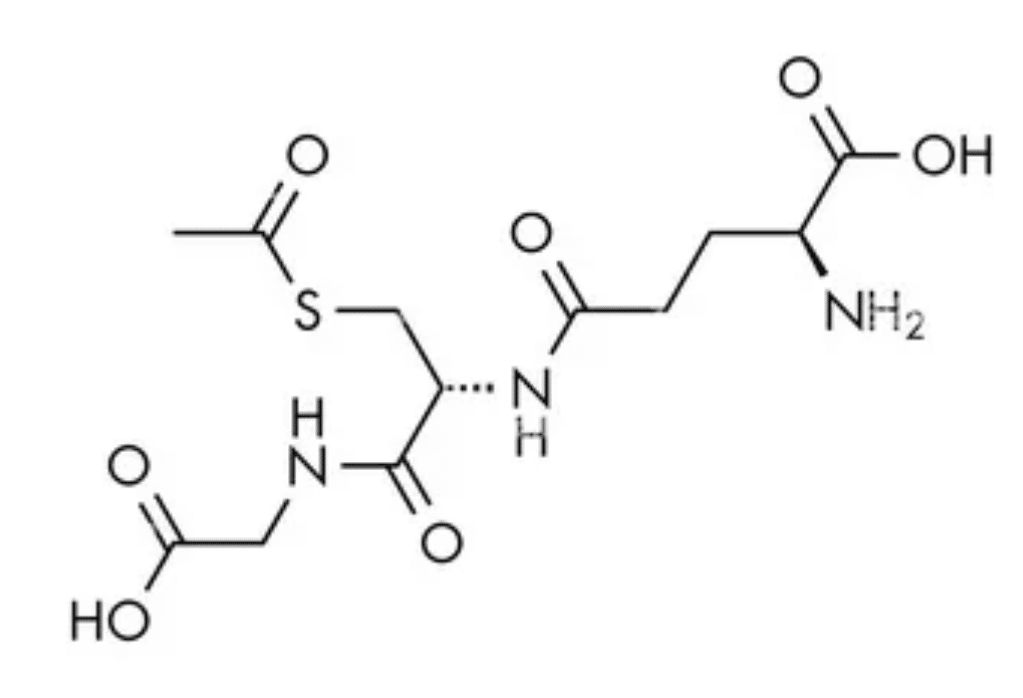
  • S-Acetyl-L-glutathione

    S-Acetyl-L-glutathione

    S-Acetyl-L-Glutathione (SAG)

    S-acetyl-L-glutathione is a stabilized and more bioavailable form of glutathione, one of the most powerful endogenous antioxidants in the body. Unlike regular glutathione, which is rapidly destroyed in the gastrointestinal tract and poorly penetrates cells, the S-acetyl form has increased stability and effectiveness.


    1. What is glutathione and why is it needed?

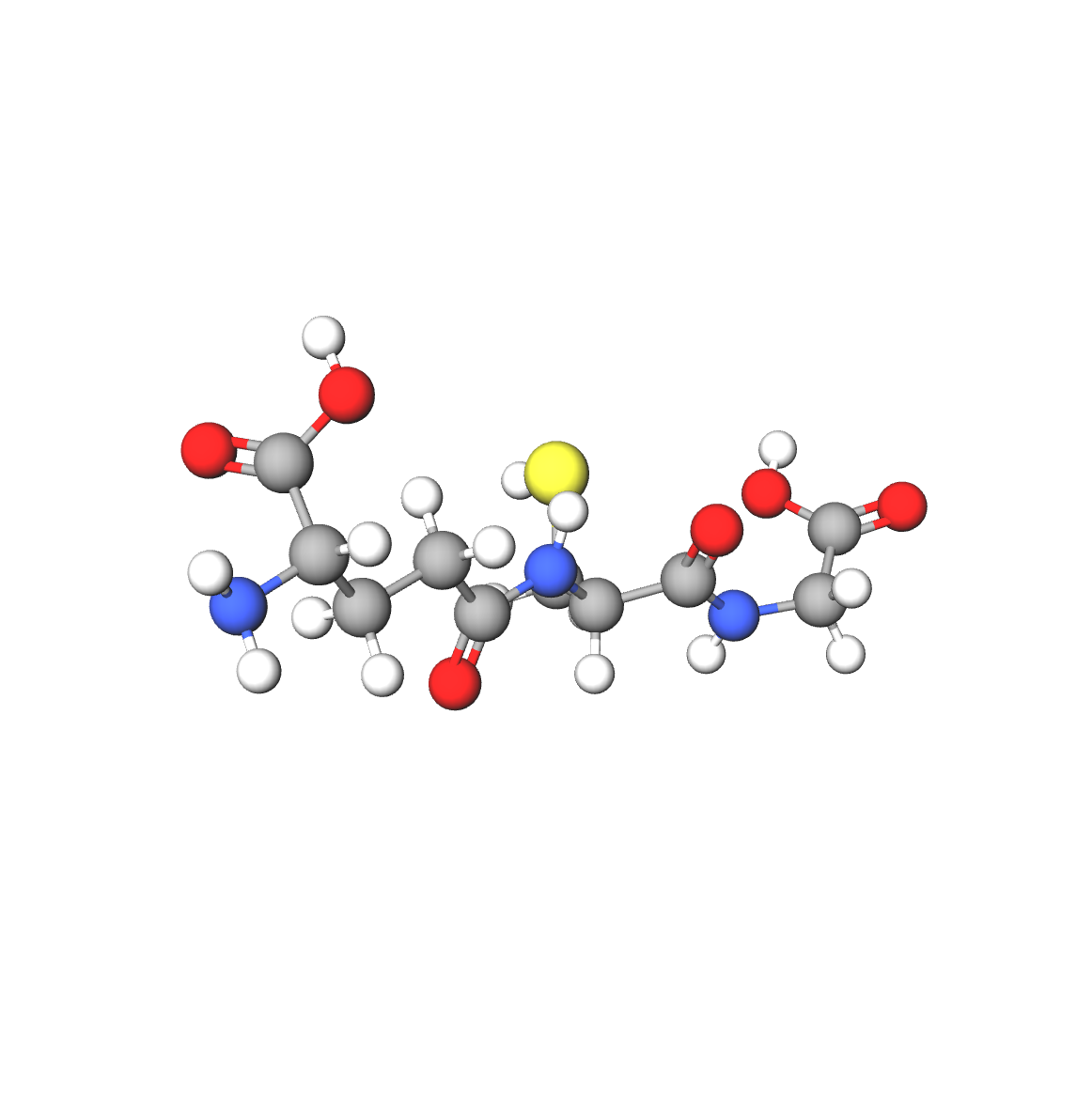
    Glutathione (GSH) — a tripeptide consisting of three amino acids:

    • Glutamic Acid
    • Cysteine (key component, contains sulfur)
    • Glycine

    Functions of Glutathione:

    Antioxidant protection — neutralizes free radicals, protects cells from oxidative stress.
    Detoxification -binds and removes heavy metals (mercury, lead), toxins, and drug metabolites.
    Immune support -increases the activity of lymphocytes and NK cells.
    Восстановление Restoration of other antioxidants -regenerates vitamins C and E.
    Liver protection -prevents damage to hepatocytes (used for poisoning, alcohol intoxication).
    Antiage effects-slows down aging, improves skin condition.
    Mitochondrial support -increases energy metabolism in cells.


    2. Why is S-Acetyl-L-Glutathione better than normal?

    Regular glutathione has low bioavailability (it is destroyed in the gastrointestinal tract, poorly absorbed). The S-acetyl form solves this problem:

    Cleavage resistance -The acetyl group protects glutathione from being broken down in the digestive tract.
    Лучшее Better penetration into cells – it is easier to overcome membranes, including the blood-brain barrier (BBB).
    Longer-lasting effect -it is metabolized more slowly, providing a prolonged effect.


    3. Application of S-acetyl-L-Glutathione

    Антиоксид Antioxidant and antiage therapy

    • slows down aging, reduces oxidative stress.
    • Improves skin condition (lightens pigmentation, increases elasticity).
    • Protects the brain from neurodegeneration (Alzheimer’s, Parkinson’s).

    Detox and liver support

    • Helps with poisoning, alcohol intoxication.
    • It is used for fatty liver disease (NAFLD).
    • Binds heavy metals (mercury, cadmium, lead).

    Strengthening the immune

    • system Increases resistance to viruses and bacteria.
    • It is useful for chronic infections (herpes, HPV).

    Neurology and mental health

    • Can improve cognitive functions (memory, concentration).
    • It is used for autism, depression, and anxiety disorders.

    Sports medicine

    • Accelerates recovery after training.
    • Reduces muscle fatigue.
    • Protects against overtraining.

    4. Dosages and methods of administration

    Standard dose: 100-600 mg / day (divided into 1-2 doses).
    For detoxification / liver support: 300-600 mg / day.
    For neurological disorders: up to 1000 mg / day.

    Release forms:

    • Capsules/tablets (taken orally).
    • Liposomal glutathione (even higher bioavailability).
    • Injections (rarely, usually in clinics).

    Best reception time:

    • In the morning on an empty stomach (for better absorption).
    • Before going to bed (enhances recovery).

    5. Side effects and safety

    of S-Acetyl-L-glutathione well-tolerated, but possible:

    • Mild gastrointestinal disorders (bloating, diarrhea at high doses).
    • Headache (rarely, at the first dose).
    • Allergic reactions (extremely rare).

    Contraindications:

    • Pregnancy and lactation (insufficient data).
    • Individual intolerance.

    6. Comparison with other forms of Glutathione

    Form of GlutathioneBioavailabilityStabilityApplication
    Normal (reduced) GSHLowRapidly degradableInjections, liposomal forms
    Liposomal GlutathioneHighGoodOral
    S-Acetyl-L-Glutathione (SAG)Very HighExcellentBest Choice for long
    -term N-Acetylcysteine (NAC)therapyGSH PrecursorAverageGlutathione Synthesis Support

    7.

    S-Acetyl-L-glutathione is one of the most effective forms of glutathione for:
    Anti-oxidant protection
    Detoxification
    System✔ Liver and immune support
    Improves cognitive function

    It is superior to regular glutathione in bioavailability and stability, making it an excellent choice for long-term use.

    Recommendation: Start with 100-200 mg / day, gradually increasing the dose if necessary. For maximum effect, it can be combined with NAC (N-acetylcysteine) and vitamin C.

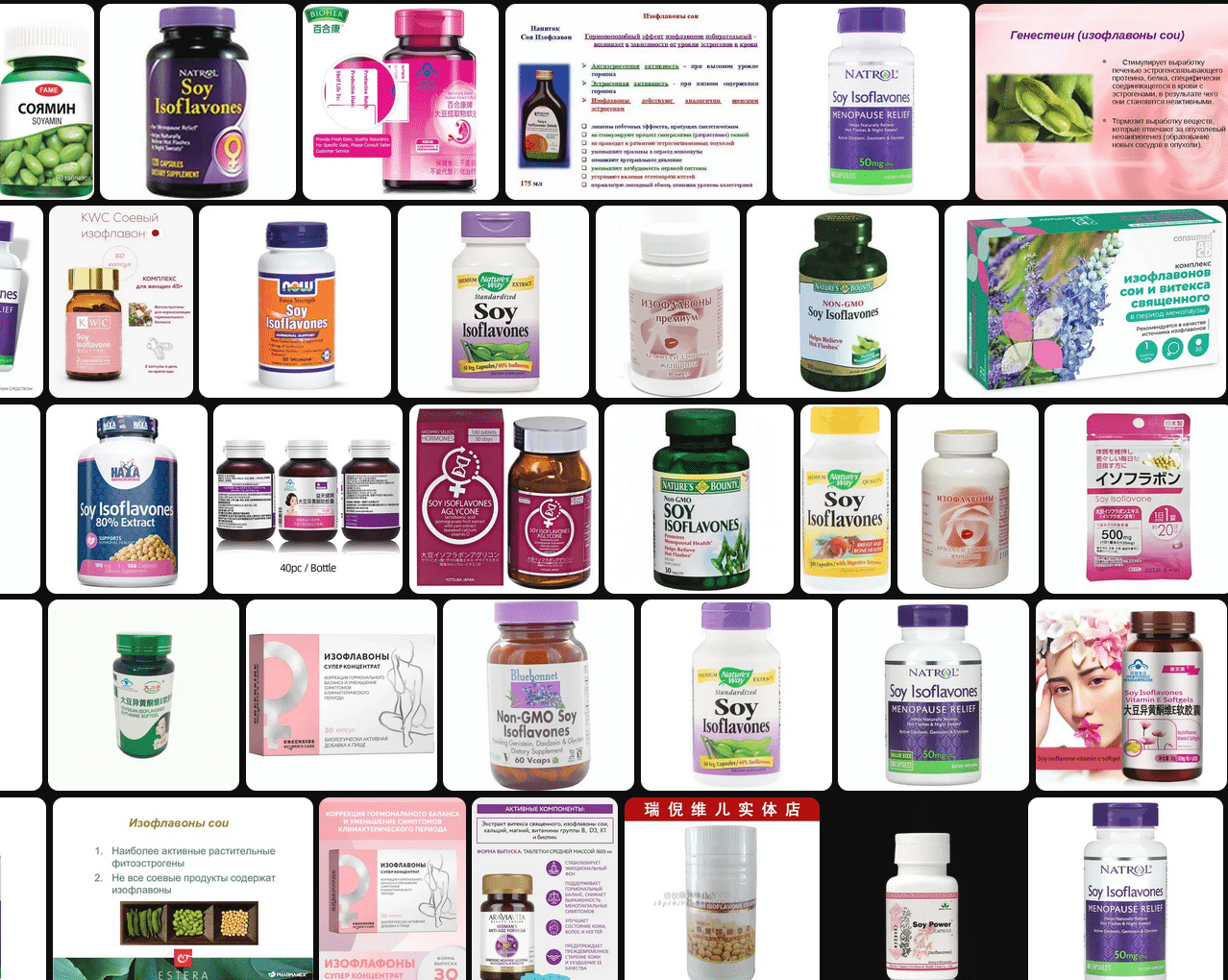
  • Soy isoflavones can mimic and modulate the effects of endogenous estrogens

    Soy isoflavones can mimic and modulate the effects of endogenous estrogens

    Soy isoflavones are naturally occurring phytoestrogens found in soybeans and their products. They have an estrogen-like effect, but they can both mimic and modulate the effects of endogenous estrogens.

    1. What are soy isoflavones?

    Isoflavones belong to the class of flavonoids and include three main compounds::

    • Genistein (most active)
    • Daidzein
    • Glycitein

    In the body, they are metabolized into more active forms:

    • Daidzein → Equol (under the action of intestinal microflora)
    • Genistein → 8-hydroxygenistein

    2. Mechanism of action

    Isoflavones interact with estrogen receptors (ERa and ERb), but their activity is weaker than that of estradiol (approximately 100-1000 times).

    Oestrogen-like effects (in case of oestrogen deficiency):

    • Bone support (prevention of osteoporosis).
    • Improvement of skin and hair condition.
    • Reduce menopausal symptoms (hot flashes, sweating).

    Anti-estrogenic effects (if there is an excess of estrogens):

    • They compete with estradiol for receptors, reducing its activity.
    • May reduce the risk of endometrial hyperplasia and breast cancer.

    Other effects:

    • Antioxidant effect (neutralization of free radicals).
    • Anti-inflammatory effect (inhibition of NF-kB).
    • Lower LDL (‘bad’ cholesterol) levels.

    3. Use and application

    ① For women

    Menopause and postmenopause

    • Reduce hot flashes, night sweats, mood swings.
    • Alternative to HRT (hormone replacement therapy).

    Prevention of osteoporosis

    • Stimulate osteoblasts, slow down bone loss.

    Hormone Balance

    • When estrogendominirovaniyu can reduce the excess of estrogens.
    • With hypoestrogenism (for example, after 40 years) — gently fill in the deficit.

    ② For men

    • Prevention of prostate adenoma (genistein inhibits 5-alpha reductase).
    • Reduce the risk of prostate cancer (block excess DHT).
    • Support of the cardiovascular system (improvement of the lipid profile).

    , General effects

    Сердечно Cardiovascular protection – lowering cholesterol, improving vascular elasticity.
    Anticarcinogenic effect -especially in hormone-dependent tumors (breast, prostate).
    Улучшение Improvement of skin condition-stimulation of collagen synthesis, protection against photoaging.


    4. Dosages and dosage forms

    Стандартная Standard dose: 40-100 mg / day (based on aglycones).
    During menopause: up to 120 mg / day.
    For prevention: 50-80 mg / day.

    Main sources:

    • Soy and soy products (tofu, tempeh, soy milk).
    • Dietary supplements (isolated isoflavones in capsules).

    Best forms:

    • Aglycones (genistein, daidzein) are more bioavailable.
    • Glycosides (genistin, daidzin) – require fermentation in the intestine.

    5. Side effects and contraindications

    Possible negative effects:

    • Bloating, flatulence (due to fermentation in the intestines).
    • Headache (rarely, with individual sensitivity).
    • Allergy (with soy intolerance).

    Contraindications:

    • Hormone-dependent tumors (ambiguous data, need a doctor’s consultation).
    • Hypothyroidism (isoflavones can inhibit thyroid function).
    • Pregnancy and lactation (insufficient safety data available).

    6. Isoflavones vs. Other phytoestrogens

    ФитоэстрогенИсточникАктивностьОсновные эффекты
    Изофлавоны соиСоя, бобовыеУмереннаяБаланс эстрогенов, защита сердца, антиоксидант
    ЛигнаныЛен, кунжут, злакиСлабаяДетокс, антиканцерогенное действие
    КуместаныЛюцерна, клеверНизкаяРедко используются

    7. Withdrawal

    Soy isoflavones are valuable phytoestrogens with many useful properties:
    For women -Menopause relief, bone and skin protection.
    For men – prostate and cardiovascular support.
    Antioxidant and anti-inflammatory effects.

    Recommendations:

    • Start with 50 mg / day, monitor the body’s response.
    • With hypothyroidism -control TSH, it is possible to take with selenium and zinc.
    • Choose dietary supplements with aglycone forms (more effective).
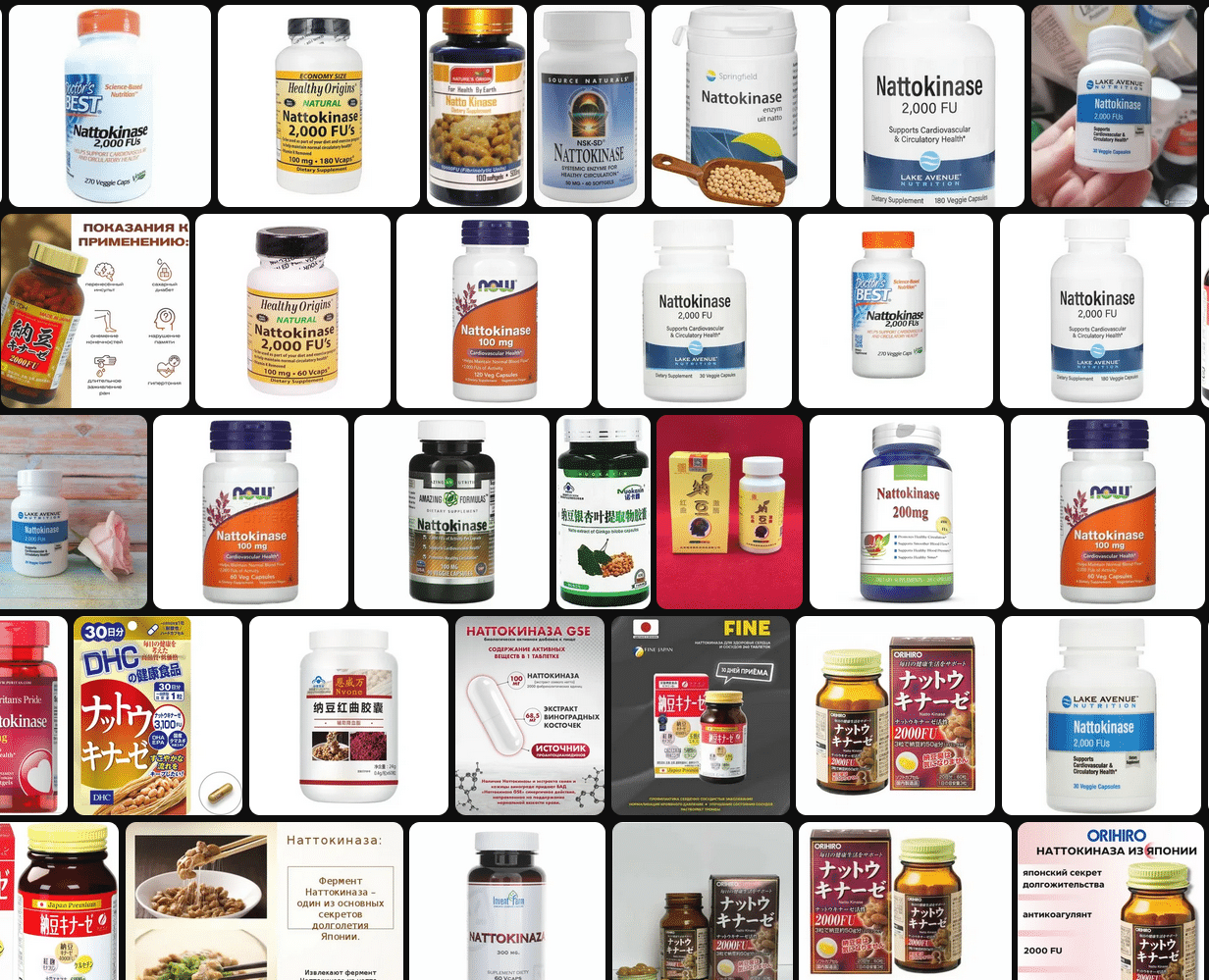
  • Nattokinase-treatment of thrombosis, Application, Useful properties

    Nattokinase-treatment of thrombosis, Application, Useful properties

    Nattokinase is an enzyme that is produced by the bacterium Bacillus subtilis ( natto strain) during the fermentation of soybeans in the preparation of the traditional Japanese dish natto. Nattokinase is known for its powerful fibrinolytic properties, that is, the ability to dissolve blood clots and improve blood circulation. It is widely used as a dietary supplement to support the health of the cardiovascular system.


    Opening history

    Nattokinase was discovered in the 1980s by Japanese researcher Hiroyuki Sumi. , who studied the enzymatic properties of natto and found that this enzyme has a strong ability to dissolve fibrin, a protein involved in blood clot formation.


    Mechanism of action

    Nattokinase acts as a fibrinolytic enzyme, meaning it is able to break down fibrin, which is the main component of blood clots. Here’s how it works:

    1. Direct action on fibrin:
      • Nattokinase directly breaks down fibrin, dissolving already formed blood clots.
    2. Plasminogen activation:
      • Nattokinase stimulates the conversion of plasminogen to plasmin — the body’s natural enzyme that breaks down fibrin.
    3. PAI-1 inhibition:
      • Nattokinase reduces the level of plasminogen activator inhibitor-1 (PAI-1), which contributes to increased fibrinolytic activity.

    Useful properties of nattokinase

    1. Prevention and treatment of thrombosis:
      • Nattokinase helps prevent the formation of blood clots and dissolves existing ones, reducing the risk of stroke, heart attack and other cardiovascular diseases.
    2. Improved blood circulation:
      • The enzyme helps improve blood microcirculation, which is especially useful for people with varicose veins, atherosclerosis and hypertension.
    3. Lowering blood pressure:
      • Nattokinase helps relax the walls of blood vessels and improves blood flow, which helps reduce blood pressure.
    4. Antioxidant effect:
      • The enzyme helps reduce oxidative stress by protecting cells from free radical damage.
    5. Support for brain health:
      • Improving blood circulation can reduce the risk of cognitive impairments such as dementia and Alzheimer’s disease.
    6. Anti-inflammatory effect:
      • Nattokinase can reduce the level of inflammation in the body, which is useful in chronic diseases.

    Application of nattokinase

    Nattokinase is used in the form of dietary supplements, which are available in the form of capsules or tablets. The usual dosage is 1000-2000 FU (fibrinolytic units) per day, but the exact dose depends on the manufacturer’s recommendations and health condition.


    Indications for use

    • Prevention and treatment of thrombosis.
    • Atherosclerosis and peripheral artery diseases.
    • Hypertension.
    • Varicose veins.
    • Rehabilitation after a stroke or heart attack.
    • Improvement of the general condition of the cardiovascular system.

    Contraindications and side effects

    Nattokinase is generally well tolerated, but there are some limitations:

    1. Contraindications:
      • Hemophilia and other blood clotting disorders.
      • Taking anticoagulants (warfarin, heparin, etc.).
      • Upcoming surgical operations (due to the risk of bleeding).
      • Pregnancy and lactation (requires a doctor’s consultation).
    2. Side effects (rare):
      • Bleeding (nasal, gingival).
      • Allergic reactions (if there is sensitivity to soy or natto).

    How to take nattokinase

    • The supplement is taken on an empty stomach, usually in the morning or evening, to enhance its effectiveness.
    • It is not recommended to combine with alcohol or anticoagulants without consulting a doctor.

    Nattokinase in food

    Nattokinase is found in the traditional Japanese dish natto, which is made by fermenting soybeans with the bacterium Bacillus subtilis. . However, natto has a specific taste and smell that not everyone likes, so supplements with nattokinase have become a popular alternative.


    Conclusion

    Nattokinase is a powerful enzyme with proven fibrinolytic properties that helps maintain a healthy cardiovascular system. It is effective for the prevention and treatment of thrombosis, improving blood circulation and lowering blood pressure. However, it is recommended that you consult your doctor before starting treatment, especially if you have a chronic medical condition or are taking medication.

  • Glutathione-description, sources, application

    Glutathione-description, sources, application

    Glutathione is one of the most important antioxidants in the body, playing a key role in protecting cells from oxidative stress, detoxifying and maintaining overall health. Here’s a detailed review:


    1. Main Features

    • Chemical structure: A tripeptide consisting of three amino acids — glutamine, cysteine and glycine.
    • Forms:
      • Reduced Glutathione (GSH) — active form.
      • Oxidized Glutathione (GSSG) — inactive form (two GSH molecules connected by a disulfide bond).
    • Synthesis: Produced in the liver, but also present in all cells of the body.

    2. Biological functions

    a. Antioxidant protection

    • Neutralizes free radicals and reactive oxygen species (ROS), protecting cells from damage.
    • Restores other antioxidants, such as vitamins C and E.

    b. Detoxification

    • Binds toxins, heavy metals (such as mercury, lead) and carcinogens, facilitating their elimination through the liver and kidneys.
    • It is involved in the work of detoxification enzymes (for example, glutathione-S-transferase).

    c. The immune system

    • Supports the function of immune cells (such as lymphocytes).
    • Regulates inflammatory processes.

    d. Regeneration and restoration

    • Participates in the synthesis and repair of DNA.
    • Promotes wound healing and tissue repair.

    e. Metabolism

    • It is involved in the transport of amino acids across cell membranes.
    • Supports the function of mitochondria (energy stations of the cell).

    3. Sources of glutathione

    a. Synthesis in the body

    • For the production of glutathione, you need:
      • Cysteine (limiting factor).
      • Glutamine and glycine.
      • B vitamins (B6, B9, B12), selenium and magnesium (cofactors).

    b. Food sources

    • Sulfur-rich foods: garlic, onions, broccoli, Brussels sprouts, kale.
    • Protein products: meat, fish, eggs.
    • Fruits and vegetables: avocado, asparagus, spinach, grapefruit.
    • Nuts and seeds: walnuts, sunflower seeds.

    c. Supplements

    • Glutathione: in the form of capsules, tablets, injections.
    • Precursors: N-acetylcysteine (NAC), alpha-lipoic acid, selenium.
    • Liposomal glutathione: better absorbed.

    4. Application in medicine

    a. Liver protection

    • It is used in the treatment of liver diseases (hepatitis, cirrhosis, fatty liver disease).
    • Helps with poisoning (alcohol, medications, toxins).

    b. Immune support

    • It is used for chronic infections (for example, HIV).
    • Improves the condition of autoimmune diseases.

    c. Antiage therapy

    • Slows down the aging of cells, protecting them from oxidative stress.
    • Improves skin condition (used in cosmetology).

    d. Neurological diseases

    • It is being investigated in the treatment of Parkinson’s disease, Alzheimer’s disease and multiple sclerosis.
    • Protects neurons from damage.

    e. Oncology

    • Supports the body during chemo and radiotherapy.
    • It is being researched as a cancer prevention tool.

    5. Glutathione deficiency

    Reasons:

    • Chronic diseases (diabetes, HIV, cancer).
    • Lack of nutrients (cysteine, selenium).
    • Age-related decline in synthesis.
    • Exposure to toxins (smoking, alcohol, environmental pollution).

    Symptoms:

    • Chronic fatigue.
    • Frequent infections.
    • Liver problems.
    • Accelerated aging.

    6. Side effects and contraindications

    • Side effects (rare):
      • Allergic reactions.
      • Upset stomach (when taking supplements).
      • Reduced zinc levels (with prolonged use).
    • Contraindications:
      • Pregnancy and lactation (requires a doctor’s consultation).
      • Individual intolerance.

    7. How to Boost your Glutathione levels

    • Nutrition: Eat foods rich in sulfur, cysteine, and selenium.
    • Supplements: NAC, alpha-lipoic acid, selenium, glutathione.
    • Lifestyle:
      • Avoid toxins (smoking, alcohol, polluted air).
      • Exercise regularly (moderate exercise increases your glutathione levels).
      • Get enough sleep and avoid stress.
  • Arginine is an amino acid

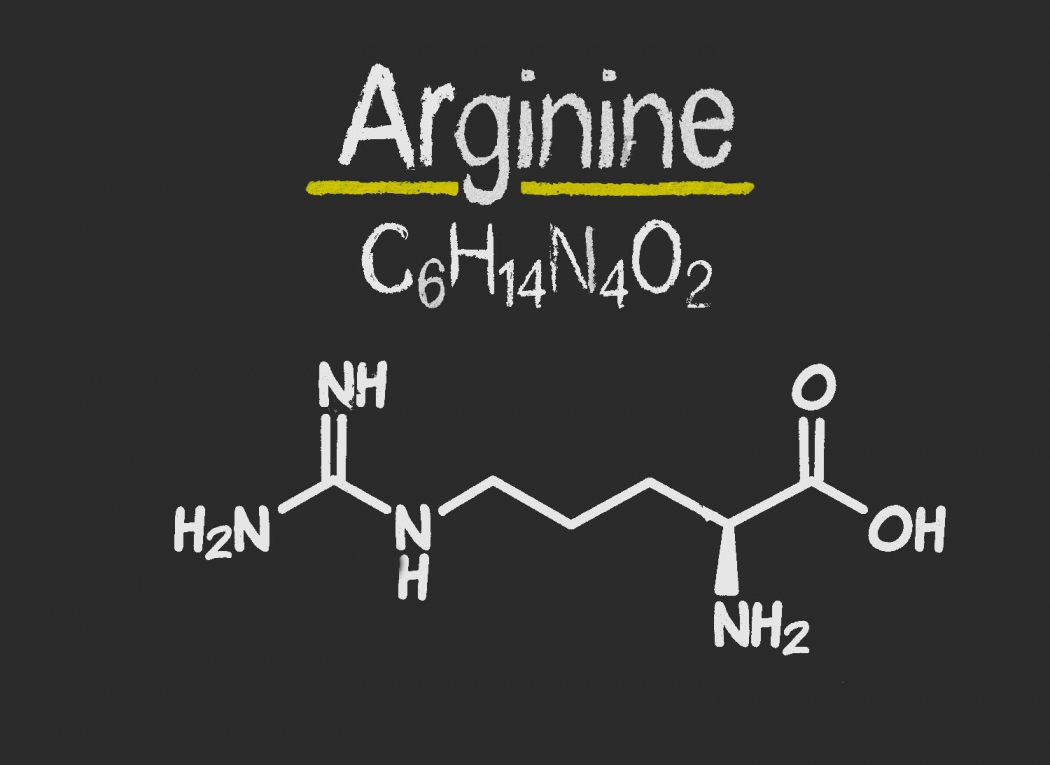
    Arginine is an amino acid

    Arginine is a conditionally essential amino acid that plays an important role in various physiological processes. Here’s a detailed review:


    1. Main Features

    • Chemical formula: CHh₁₄n₄o₂.
    • Type: L-arginine (biologically active form).
    • Status:
      • In healthy adults, arginine is synthesized in the body (in the liver and kidneys).
      • In children, pregnant women, with injuries or diseases, it becomes irreplaceable (it requires admission with food or supplements).

    2. Biological functions

    a. Synthesis of nitric oxide (NO)

    Arginine is a precursor of nitric oxide, which is used in the treatment of:

    • Dilates blood vessels , improves blood flow, and lowers blood pressure.
    • Supports the health of the cardiovascular system.
    • Participates in the transmission of signals between cells.

    b. Participation in the urea cycle

    Arginine helps remove ammonia from the body, converting it to urea (detoxification).

    c. Protein and hormone synthesis

    • Participates in the creation of muscle proteins.
    • It stimulates the production of hormones: insulin, growth hormone, prolactin.

    d. The immune system

    • Increases the activity of T-lymphocytes and macrophages.
    • Accelerates wound healing.

    e. Reproductive health

    • Improves blood supply to the genitals → used in the treatment of erectile dysfunction.

    3. Food sources

    • Animals: red meat, chicken, turkey, fish (salmon, tuna), dairy products.
    • Vegetablesources: nuts (walnuts, almonds), seeds (pumpkin seeds, sesame seeds), legumes (soy, lentils), chocolate, whole grains.
    • Daily requirement: ~2-5 g for adults (depends on age, state of health).

    4. Application in additives

    Arginine is popular in sports nutrition and medicine:

    • Sport:
      • Increases stamina by improving blood flow.
      • It stimulates muscle growth (through the production of growth hormone).
    • Medicine:
      • Cardiovascular diseases (hypertension, atherosclerosis).
      • Erectile dysfunction (in combination with pycnogenol or yohimbine).
      • Immune support for infections.
    • Forms of supplements: capsules, powder, solutions for injection.

    5. Side effects and contraindications

    • Side effects (in excess):
      • Nausea, diarrhea, abdominal pain.
      • Decreased blood pressure, dizziness.
      • Exacerbation of herpes (the virus uses arginine to reproduce).
    • Contraindications:
      • Acute renal or hepatic insufficiency.
      • Schizophrenia (may increase symptoms).
      • Concomitant use with antihypertensive drugs (risk of a sharp drop in blood pressure).
  • Peptide CJC-1295 Description

    Peptide CJC-1295 Description

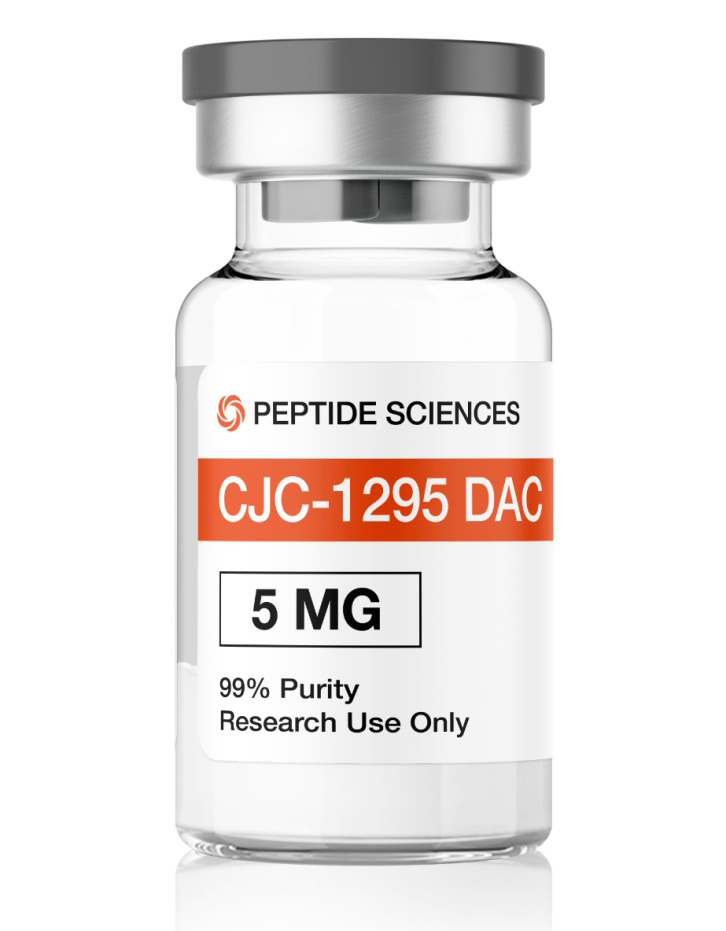
    CJC-1295 or somatocrinin is a growth hormone synthesis stimulator. The peptide is actively used by athletes, has positive reviews due to the absence of side effects and significant anabolic effect.

    How the CJC-1295 peptide Works. It is one of the most popular and effective peptides for increasing your own levels of growth hormone (GH) and insulin-like growth factor-1 (IGF-1).

    1. A brief overview of the mechanism

    CJC-1295 is a growth hormone-releasing hormone (GHRH)analog. Its main task is to stimulate the pituitary gland for increased and more frequent production of its own human growth hormone. It is not an exogenous (external) growth hormone, but rather causes your body to produce its own more efficiently.


    2. Detailed mechanism of action: step-by-step

    Step 1: Binding to the receptor (Target)

    • CJC-1295 is a growth hormone releasing hormone (GHRH-R) receptor agonist.
    • These receptors are located in large numbers on the surface of somatotrophic cells in the anterior pituitary gland.
    • When the CJC-1295 molecule binds to GHRH-R, it activates it, mimicking the action of natural GHRH.

    Step 2: Intracellular signaling (Command Transmission)

    • Activation of the receptor triggers a cascade of intracellular reactions (via G-proteins and secondary messengers, mainly cAMP).
    • This leads to an increase in the concentration of calcium ions (Ca2⁺) inside the cell.
    • This signal is a direct indication for the cell: ‘synthesize and release growth hormone.’

    Step 3: Pulsing Secretion (Natural Pattern)

    • The key advantage of CJC-1295 over synthetic GH injections is that it preserves the natural pulsating nature of growth hormone secretion.
    • The pituitary gland secretes GH in impulses, the largest of which occurs at night during deep sleep. The CJC-1295 amplifies the amplitude and possibly frequency of these natural pulses, rather than creating a constant, non-changing GH background. This is considered more physiological and safe.

    Step 4: Depot Effect (Extended Effect)

    • This is the most important technological feature of the CJC-1295. Regular GHRH has a half-life of only a few minutes.
    • A Drug Affinity Complex (DAC) is added to the CJC-1295 molecule , which allows the peptide to reversibly bind to albumin (the main blood protein).
    • As long as the peptide is bound to albumin, it is protected from rapid breakdown by enzymes and excretion by the kidneys.
    • It gradually ‘splits off’ from albumin, providing long-term stimulation of the pituitary gland. Due to this, the elimination half-life of CJC-1295 is about 6-8 days.
    • This allows you to make injections only 2-3 times a week to maintain a consistently high level of GH and IGF-1.

    Step 5: Mediated Effects (End Result)

    CJC-1295 itself does not produce direct effects. All results are mediated through an increase in the level of endogenous GH and, as a result, IGF-1:

    1. Increased IGF-1 levels: Growth hormone stimulates the liver to produce insulin-like growth factor-1 (IGF-1). IGF-1 is largely responsible for the anabolic and restorative effects.
    2. Starting processes:
      • Muscle growth: Increased protein synthesis and uptake of amino acids by cells.
      • Lipolysis: Accelerated breakdown of adipose tissue (especially visceral and abdominal fat) for use as energy.
      • Improved recovery: Accelerated recovery of muscles, ligaments, joints and other tissues after training and injuries.
      • Bone strengthening: Increased bone mineral density.
      • Improving skin quality: Thickening of the skin, increased elasticity, collagen synthesis.
      • Strengthening the immune system.
      • Improve sleep and cognitive function.

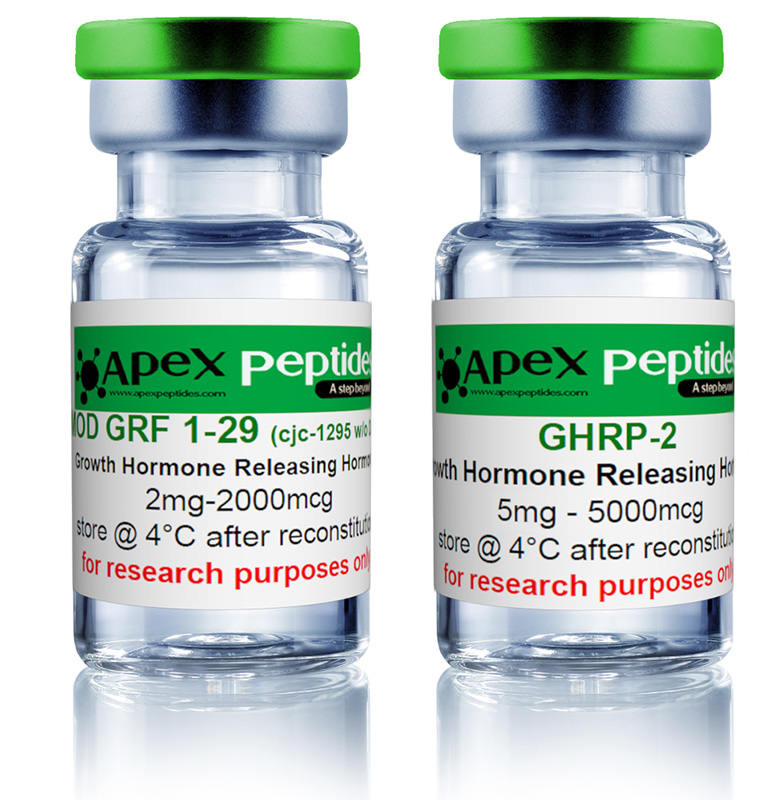
    3. Differences between CJC-1295 and CJC-1295 without DAC (Mod-GRF 1-29)

    It is important not to confuse the two different connections:

    ParameterCJC-1295 (with DAC)CJC-1295 without DAC (Mod GRF 1-29)
    Half-LifeLong (6-8 days)Short (about 30 minutes)
    Injection Frequency2-3 times per week2-3 times per day, strictly timed to sleep, workouts, and fasting
    Secretion PatternMaintains a constantly elevated baseline level of GH and IGF-1Creates short and powerful peaks of GH, mimicking natural pulses
    Application StrategyFor continuous high background supportFor targeted pulse stimulation (before sleep, after workout)

    They are often used together (the combination is known as ‘ Ipamorelin + Mod-GRF ‘ or ‘GHRP + GHRH’) for a synergistic effect: Mod-GRF (short GHRH) amplifies the pulse caused by GHRP (for example, Ipamorelin), and CJC-1295 with DAC provides background support.


    4. Potential side effects

    Because CJC-1295 increases its own GH level, side effects are similar to conditions with excess GH and are usually dose-dependent:

    • Water retention: One of the most common initial effects.
    • Tingling sensation in the extremities: Due to fluid retention and nerve damage.
    • Joint pain: Rarely, at high doses.
    • Increased blood sugar: GH is an insulin antagonist. Requires attention in individuals with insulin resistance.
    • Acromegaly-like symptoms: Changes in facial features, enlargement of internal organs are possible only with prolonged and significant excess of dosages. With adequate use, the risk is minimal.
    • Antibody formation: Theoretically, a synthetic analog can trigger an immune response, but in practice this is extremely rare due to the almost complete correspondence of the natural structure of GHRH.

    Result

    CJC-1295 works as a ‘prolonged signal’ for the pituitary gland, causing it to produce more of its own growth hormone in its natural, pulsating mode. Thanks to the albumin binding technology (DAC), it has a long-lasting effect, which makes it convenient to use and effective for maintaining consistently elevated levels of anabolic hormones (GH and IGF-1), leading to muscle growth, fat burning and overall rejuvenation of the body.

    Properties and effects of CJC-1295

    it has a pronounced anabolic effect, including:

    • speeding up the muscle growth process;
    • stimulation of strength and endurance indicators;
    • the effect of burning subcutaneous fat;
    • strengthens bones and joints, increasing their density, thereby preventing injuries;
    • complete rejuvenation of the body;
    • increases energy production;
    • increases the body’s protective functions.

    CJC-1295 improves protein synthesis and thereby accelerates the growth of muscle fibers. Interesting fact! One injection of the peptide increases the concentration of growth hormone by three times. The course of application of CJC-1295 lasts 1-2 months, followed by a break of two weeks, if necessary, after the break, the course can be repeated. As for the dosage, it is 1-2 mg per kilogram of body weight of the athlete. The daily dosage is 100-200 mg, which is divided into three injections.

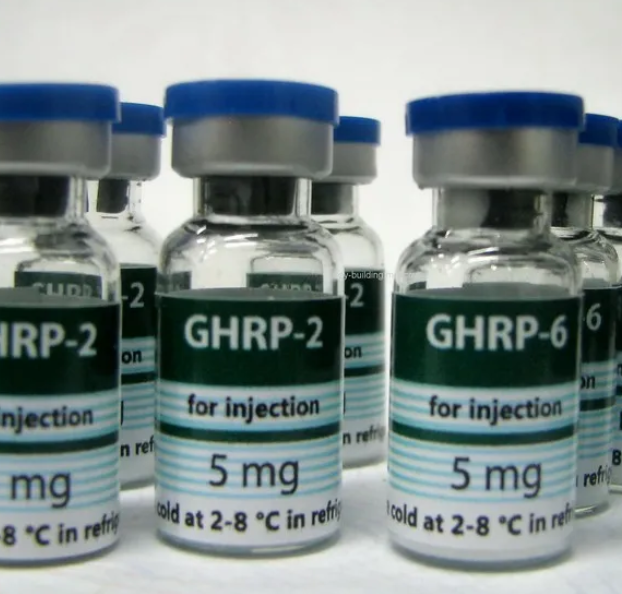
    CJC-1295 can be combined with GHRP-6 and GHRP-2, in which case the effectiveness of the drug increases. The injections are usually given in the abdomen eight centimeters above the navel. All injections are performed using a hundred-division insulin syringe. The drug should be administered on an empty stomach at least two hours after a meal. The interval between injections is 4 hours or more.

    The peptide should be stored in the refrigerator. In dry form, the shelf life is 18 months, if the bottle was hidden and diluted with saline solution, then when stored in the refrigerator, the period of use should not exceed two months. At the right dosage, the peptide does not cause side effects, which is why it has gained popularity among athletes.

  • GHRP-2 Peptide Description

    GHRP-2 Peptide Description

    GHRP-2 (Growth Hormone-Releasing Peptide-2) is a synthetic peptide belonging to the group of ghrelin receptor agonists. It stimulates the secretion of growth hormone (GH) from the pituitary gland, affecting the hypothalamus and pituitary gland.

    Attention! Growth hormone is dangerous!

    Basic properties of GHRP-2

    1. Stimulating growth hormone production
      • GHRP-2 increases blood GH levels by targeting ghrelin receptors (GHS-R1a).
      • The effect is dose-dependent: the higher the dose, the stronger the GH release (but there are limits).
    2. Increased IGF-1 levels
      • GH stimulates the liver to produce insulin-like growth factor-1 (IGF-1), which plays a key role in anabolism.
    3. Increased appetite
      • Like ghrelin, GHRP-2 can cause hunger, which is good for weight gain, but can be a disadvantage when drying.
    4. Improved sleep and recovery
      • Many users note an improvement in the quality of sleep, since the peak of GH secretion occurs at night.
    5. Possible effects on cortisol and prolactin
      • In some cases, GHRP-2 may slightly increase cortisol and prolactin levels, but this is usually not critical if used correctly.

    GHRP-2 Application

    1. In bodybuilding and sports

    • Gain muscle mass – by increasing GH and IGF-1, protein synthesis is accelerated.
    • Fat Burning – GH enhances lipolysis (fat breakdown).
    • Faster recovery – reduces injury healing time and increases stamina.

    2. In antiage therapy

    • Improvement of skin condition (reduction of wrinkles, increase of elasticity).
    • Strengthening of bones and joints.
    • Overall rejuvenation by increasing the level of GH, which decreases with age.

    3. In medicine (experimental application)

    • Treatment of growth hormone deficiency (in some countries).
    • Rehabilitation after injuries and operations.

    Dosage and administration schedule

    • Standard dosage: 100-300 mcg per injection, 2-3 times a day.
    • Optimal time of administration:
      • In the morning on an empty stomach.
      • After your workout.
      • Before going to bed (the greatest GH release at night).
    • Course: 4-12 weeks, then a break.

    Sample schema:

    • 100 mcg in the morning + 100 mcg after exercise + 100-200 mcg before bed.

    Side effects

    1. Hyperglycemia / Hypoglycemia – GH affects blood sugar levels.
    2. Water retention – slight swelling is possible.
    3. Increased appetite -undesirable when dieting for weight loss.
    4. Numbness of the hands/feet (rarely, at high doses).
    5. Increased cortisol and prolactin – you may need to monitor or use inhibitors (for example, cabergoline for high prolactin).

    Combinations with other peptides

    • CJC-1295 (without DAC) — enhances the effect of GHRP-2, as CJC-1295 increases the natural pulsation of GH.
    • Ipamorelin is an alternative to GHRP-2 with less effect on appetite.
    • Testosterone / steroids – a synergistic effect for weight gain.

    Conclusion

    GHRP-2 is a powerful growth hormone stimulator with proven effectiveness. It is suitable for gaining muscle mass, fat burning and general rejuvenation. However, it is important to observe the dosage and take into account possible side effects. Before using, it is advisable to consult a doctor, especially in the presence of chronic diseases.

  • GHRP-6 Peptide Description

    GHRP-6 Peptide Description

    • GHRP-6 Structure
    • Amino acid sequence: His-D-Trp-Ala-Trp-D-Phe-Lys
    • Molecular formula: C46H56N12O6
    • Molecular Weight: 873.032 g/mol
    • CAS Number: 87616-84-0
    • PubChem CID: 9919153
    • Synonyms: Growth Hormone Releasing Peptide-6; GHRP6; GHRP 6; GHRP-6; GHRP6; GHRP 6; GHRP-6

    Important is the peptide GHRP-6, which stimulates the production of growth hormone. Currently, GHRP-6 is still being tested, but it has already become quite popular among athletes due to its positive properties on the body. Muscle growth, increased endurance and many other properties of the GHRP-6 peptide have made it indispensable in many sports.

    GHRP-6 Properties

    GHRP-6 is similar in action to GHRP-2, with the only difference being that GHRP-6 is a third more powerful. Another positive difference from GHRP-2 is a lower risk of increased concentrations of hormones such as prolactin and cortisone. The first hormone promotes the growth of the mammary glands, and cortisol breaks down protein compounds, thereby contributing to the accumulation of fat and the destruction of muscle mass.

    Most of all, in the sports environment, this peptide was appreciated by bodybuilders, since GHRP-6 has an excellent effect on muscle relief. Among the properties of the peptide, the following should be noted::

    • stimulation of growth hormone synthesis;
    • increase in muscle mass;
    • acceleration of metabolic processes, which reduces subcutaneous fat;
    • increase in lean muscle mass;
    • increased appetite, which is an important factor in weight gain;
    • reducing bad cholesterol;
    • improved stamina scores;
    • strengthening effect for bone tissue, thereby helping to reduce the risk of joint injuries and fractures;
    • the anti-inflammatory effect allows you to quickly restore damaged muscle fibers after grueling workouts.;
    • reduced blood glucose levels.

    It is noteworthy that GHRP-6 does not affect strength gains, so the use of the peptide in weightlifting is not always justified.

    GHRP-6 Application

    The duration of the GHRP-6 course is 1-2 months, after which it is recommended to take a break for two weeks. The dosage is 2.1 micrograms per kilogram of body weight. The daily dosage is from 100 to 200 mg, which should be divided into three injections. The first injection should be done in the morning before eating on an empty stomach, the second-before training, the third injection should be done before going to bed, but at least 1-2 hours after eating.