Рубрика: Uncategorized

uncategorized-ru

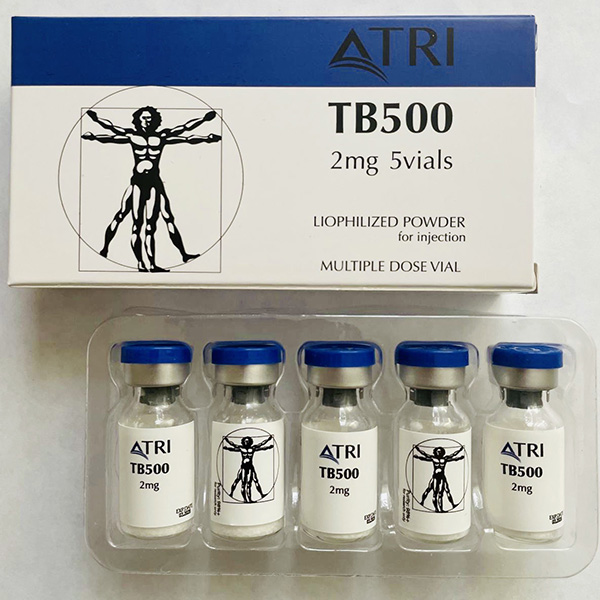
  • Effect of TB-500 (Thymosin Beta-4) on cancer processes

    Effect of TB-500 (Thymosin Beta-4) on cancer processes

    The question of the effect of TB-500 (a synthetic analogue of Thymosin Beta-4) on cancer processes is complex and not fully understood. Thymosin Beta-4 and its analogues, such as TB-500, have many biological functions, including stimulating tissue regeneration, angiogenesis (the formation of new blood vessels), and anti-inflammatory effects. However, these same properties can potentially affect cancer processes, both positively and negatively.


    Possible mechanisms of TB-500 impact on cancer:

    1. Stimulation of angiogenesis:
      • TB-500 promotes the formation of new blood vessels, which can be useful for repairing damaged tissues. However, in the context of cancer, angiogenesis can promote tumor growth, since cancer cells need a blood supply for their development.
    2. Tissue regeneration and cell proliferation:
      • TB-500 stimulates cell proliferation and migration, which is important for wound healing. However, in the case of cancer, this can potentially stimulate the growth of tumor cells.
    3. Anti-inflammatory effect:
      • Chronic inflammation is one of the factors that contribute to the development of cancer. TB-500, by reducing inflammation, could theoretically reduce the risk of certain cancers. However, suppressing inflammation can also weaken the immune response against tumor cells.
    4. Effects on apoptosis (programmed cell death):
      • TB-500 increases cell survival by preventing apoptosis. In the context of cancer, this can be dangerous, as cancer cells can use this mechanism for their survival.

    Research and data:

    1. Preclinical studies:
      • Some studies in animals and in vitro (in the laboratory) show that Thymosin Beta-4 can promote tumor growth by stimulating angiogenesis and cell proliferation.
      • At the same time, there is evidence that Thymosin Beta-4 may have a protective effect in certain types of cancer, for example, by reducing inflammation.
    2. Clinical data:
      • Currently, there is not enough clinical data to draw unambiguous conclusions about the impact of TB-500 on cancer in humans. Most studies are in the early stages.

    Risks of using TB-500 in cancer:

    1. Stimulating tumor growth:
      • Because of TB-500’s ability to stimulate angiogenesis and cell proliferation, there is a theoretical risk that it may promote the growth of pre-existing tumors.
    2. Lack of data:
      • The lack of large clinical trials makes the use of TB-500 in cancer unsafe, especially without medical supervision.

    Conclusion:

    TB-500 (Thymosin Beta-4) can potentially affect cancer processes, but this effect is ambiguous. On the one hand, its anti-inflammatory properties can be useful, on the other — stimulation of angiogenesis and cell proliferation can promote the growth of tumors. Currently, there is insufficient evidence to recommend TB-500 for the treatment or prevention of cancer.

    If you have cancer or are at risk, it is strongly recommended not to use TB-500 without consulting an oncologist. Self-medication can be dangerous and lead to undesirable consequences.

  • Rapamycin

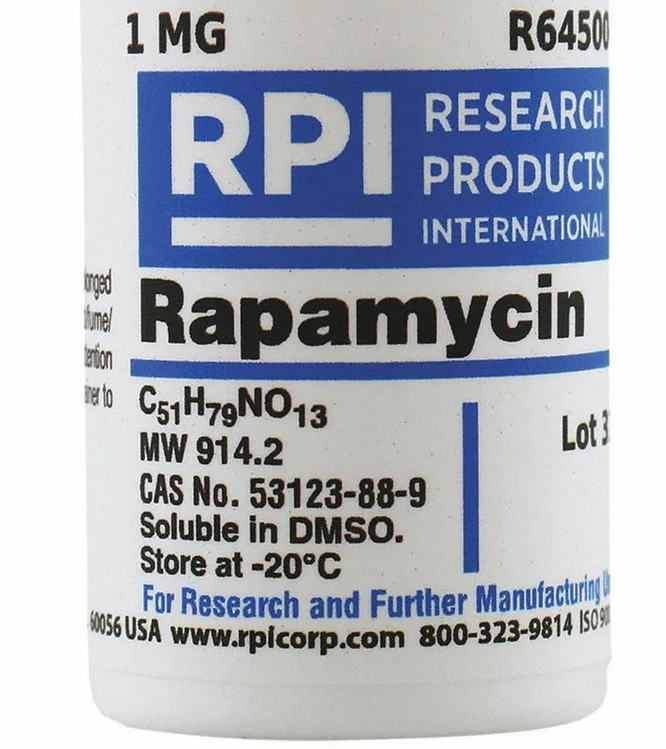
    Rapamycin

    Rapamycin is a macrolide structure peptide antibiotic with powerful immunosuppressive and antitumor properties. It is also known as sirolimus and is widely studied in the context of extending life and treating age-related diseases.

    1. Opening history

    Rapamycin was first isolated in 1972 from the bacterium Streptomyces hygroscopicus, found in the soil of Easter Island (Rapa Nui, hence the name). Initially, it was studied as an antifungal agent, but later its powerful immunosuppressive and cytostatic properties were discovered.

    2. Mechanism of action

    Rapamycin inhibits the mammalian target of Rapamycin — a key regulator of cell growth, division, and metabolism.

    • mTOR is a protein kinase that is part of two complexes:
      • mTORC1 (sensitive to rapamycin) — regulates protein synthesis, autophagy, metabolism, and aging.
      • mTORC2 (less sensitive) — affects cell survival and cytoskeleton.

    Rapamycin binds to FKBP12 (immunophilin), and this complex blocks mTORC1, which leads to:

    • suppression of protein synthesis,
    • activation of autophagy (clearing the cell of ‘garbage’),
    • slowing down cellular aging,
    • inhibition of cancer cell proliferation.

    3. Application in medicine

    Immunosuppression

    • Prevention of graft rejection (in combination with other drugs).
    • Treatment of autoimmune diseases (for example, lupus, rheumatoid arthritis).

    Oncology

    • Rapamycin analogues (everolimus, temsirolimus) are used for the treatment of:
      • renal cell carcinoma,
      • breast cancer (HER2-positive),
      • neuroendocrine tumors.

    Anti-aging research

    • Rapamycin prolongs life in model organisms (yeast, worms, flies, mice).
    • In 2009, it was shown to increase the lifespan of mice by 9-14%.
    • It is being investigated for the treatment of age-related diseases (Alzheimer’s disease, sarcopenia).

    4. Side effects

    • Immunosuppression → risk of infection.
    • Metabolic disorders → hyperglycemia, insulin resistance.
    • Impaired wound healing.
    • Stomatitis, skin rashes.

    5. Rapamycin and life extension

    • In low doses, rapamycin can slow aging by activating autophagy and reducing inflammation.
    • Human studies are still limited, but they are ongoing (for example, the PEARL project).
    • Some biohackers take it orally or as a cream (but without sufficient evidence).

    6. Rapamycin analogues

    • Everolimus (Afinitor) — it is used in oncology.
    • Temsirolimus (Torisel— — for the treatment of kidney cancer.
    • Ridaforolimus is being investigated for the treatment of sarcomas.

    Conclusion

    Rapamycin is a unique drug with a powerful effect on the mTOR pathway, which makes it promising for the treatment of cancer, immune diseases and, possibly, life extension. However, its use requires caution due to serious side effects.

  • Pramiracetam Peptide-memory, fight against laziness and procrastination

    Pramiracetam Peptide-memory, fight against laziness and procrastination

    Pramiracetam is a synthetic peptide that belongs to the class of nootropic substances. Nootropics are compounds that can improve cognitive functions such as memory, attention, learning, and concentration. Pramiracetam is one of the pyrrolidone derivatives, like its better-known counterpart Piracetam, but it has some unique properties.

    Main characteristics of Pramiracetam:

    1. Chemical structure: Pramiracetam is a peptide compound that combines elements of pyrrolidone and a peptide chain. This makes it unique among other racetams, as most of them do not contain peptide components.
    2. Mechanism of action: The exact mechanism of action of Pramiracetam is not fully understood, but it is assumed that it affects neurotransmitter systems, including the glutamatergic and cholinergic systems. It can enhance synaptic plasticity, improve signal transmission between neurons, and increase the level of acetylcholine in the brain, which contributes to improved cognitive function.
    3. Effects:
      • Memory Improvement: Pramiracetam can help improve both short-term and long-term memory.
      • Increased Concentration: Increases the ability to focus and focus your attention.
      • Neuroprotection: Some studies suggest that Pramiracetam may protect neurons from damage caused by oxidative stress or toxins.
      • Mood enhancement: May have a mild antidepressant effect, improving overall emotional well-being.
    4. Application:
      • Pramiracetam is used primarily as a nootropic to improve cognitive function in healthy individuals, as well as in research related to neurodegenerative diseases such as Alzheimer’s disease.
      • It can be useful for students, professionals, and people engaged in intellectual work who want to increase their productivity.
    5. Dosage and safety:
      • The optimal dosage of Pramiracetam may vary depending on individual characteristics. Usually it is from 10 to 30 mg per day.
      • Side effects are rare, but may include headache, insomnia, or mild irritability. These effects are usually associated with individual sensitivity or excessive dosage.

    How can Pramiracetam help in the fight against laziness and procrastination?

    Pramiracetam, like other nootropics, can indirectly help combat laziness and procrastination by affecting the cognitive and emotional processes that often underlie these conditions. However, it is important to understand that laziness and procrastination are complex psychological phenomena that can be caused by a variety of factors, including stress, fatigue, lack of motivation, or even neurobiological features. Pramiracetam is not a ‘magic pill’, but it can create favorable conditions for overcoming these conditions. Here’s how it can help:


    1. Improve concentration and attention

    • Procrastination is often associated with an inability to focus on a task. Pramiracetam can improve concentration by increasing the activity of neurotransmitters such as acetylcholine and glutamate, which play a key role in maintaining attention.
    • With an improved ability to focus on a task, it becomes easier to start and finish things without being distracted by extraneous stimuli.

    2. Increase motivation

    • Laziness and procrastination are often associated with low levels of dopamine, a neurotransmitter responsible for feelings of pleasure and motivation. Although Pramiracetam is not a direct stimulant of the dopamine system, it can indirectly influence motivation by improving overall cognitive function and reducing mental fatigue.
    • When the brain works more efficiently, tasks seem less complex, and this can increase the desire to start doing them.

    3. Reducing mental fatigue

    • One of the reasons for procrastination may be overwork or feeling overwhelmed. Pramiracetam can help reduce mental fatigue by improving energy metabolism in the brain and enhancing neuroplasticity.
    • This allows you to stay productive longer and not postpone tasks until later because you feel tired.

    4. Improve your mood

    • Procrastination is often associated with anxiety, stress, or negative emotions that prevent you from getting started. Pramiracetam may have a mild antidepressant effect, improving overall emotional well-being.
    • When the mood improves, it becomes easier to overcome internal resistance and start acting.

    5. Improve memory and scheduling

    • Pramiracetam can improve working memory and planning ability, which helps you better organize tasks and break them down into smaller, doable steps.
    • This reduces the feeling of congestion that often leads to procrastination.

    6. Reducing anxiety

    • Sometimes procrastination is associated with anxiety about completing a task (for example, fear of failure or perfectionism). Pramiracetam can help reduce anxiety levels, making it easier to get started.

    Limitations and important notes:

    • Doesn’t address the root of the problem: Pramiracetam may help improve cognitive function, but it doesn’t address the underlying causes of laziness or procrastination, such as lack of clear goals, low self-esteem, or poor time management.
    • Individual differences: The effect of Pramiracetam may vary from person to person. Some people may feel a significant improvement, while others may not notice a significant change.
    • Does not replace discipline: Nootropics can be a useful tool, but they don’t replace the need to develop self-discipline, planning, and other time management skills.

    Recommendations for use:

    1. Start with small doses: If you decide to try Pramiracetam, start with the minimum dose (for example, 10-20 mg) and monitor your condition.
    2. Combine with other methods: Use Pramiracetam in combination with other anti-procrastination strategies, such as:
      • The Pomodoro method (working with interruptions).
      • Dividing tasks into small steps.
      • Setting clear goals and priorities.
    3. Watch your health: Make sure that you have no contraindications to the use of nootropics, and avoid long-term use without interruptions.

    Conclusion

    Pramiracetam can be a useful tool for improving cognitive function, which indirectly helps fight laziness and procrastination. However, its effectiveness depends on individual characteristics and its combination with other methods of self-discipline and time management. If you decide to use it, do it consciously and as part of a healthy lifestyle.

  • Rosmarinic acid-against glycation

    Rosmarinic acid-against glycation

    Report

    Goal. Despite numerous studies on the ability of various molecules to destroy Glycation End Products (AGES-Advanced Glycation EndProducts), none of them, as far as we know, evaluated the ability to destroy pathological cross-links within and between protein molecules. The aim of this work was to clearly show ribose-induced polymerization of albumin, and then the ability of polyphenolic acid extracted from rosemary (Rosmarinus officinalis) and rosmarinic acid to break down pre-formed albumin polymers.

    Methods. Albumin was glycated by incubation with ribose, and the resulting protein polymers were evaluated by gel-size exclusion chromatography (GC) and fluorometry. After ribose elimination by dialysis, the proteins were treated with rosmarinic acid, aminoguanidine, carnosine, and Alagebrium (ALT-711; Alteon) as a positive control. The degree of deglycation was determined by the ratio of the amounts of polymerized and native albumin-before and after treatment with deglycing molecules.

    Results. Rosmarinic acid has been shown to destroy formed cross-links as effectively as Alagebrium. In contrast, aminoguanidine and carnosine, inhibitors of the glycation reaction, did not significantly reverse the polymerization of albumin.


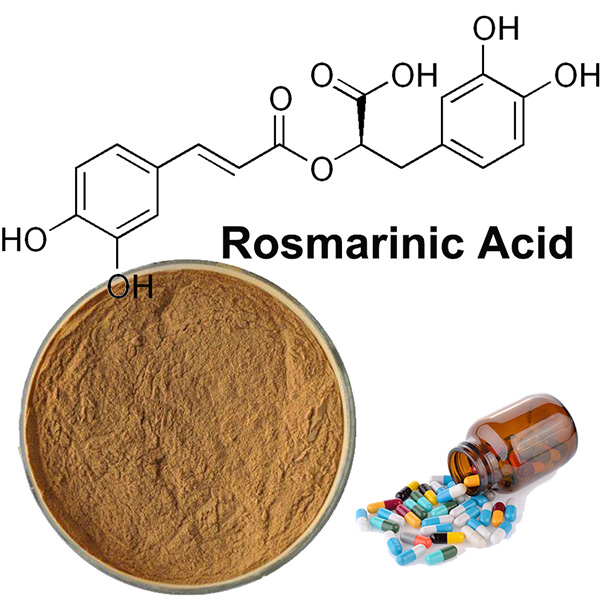
    Rosmarinic acid is a natural compound belonging to the class of polyphenols. It is widely distributed in plants and is known for its powerful antioxidant, anti-inflammatory, antimicrobial and other biologically active properties. Rosmarinic acid was first isolated from the rosemary plant (Rosmarinus officinalis), from which it gets its name, but is also found in many other plants such as lemon balm, sage, mint, basil, and thyme.

    Chemical structure

    Rosmarinic acid is an ester formed from two phenolic compounds: caffeic acid and 3,4-dihydroxyphenylmolk acid. Its chemical formula is CHh₁₆o₈. The structure includes:

    • Two aromatic rings (phenolic groups).
    • Hydroxyl groups (-OH), which provide antioxidant properties.
    • The carboxyl group (- COOH), which gives the compound acidic properties.

    Sources of Rosemary acid

    Rosmarinic acid is found in many plants, especially in the Labiaceae family. Main sources:

    1. Rosemary (Rosmarinus officinalis).
    2. Melissa officinalis.
    3. Sage (Salvia officinalis).
    4. Mint (Mentha spp.).
    5. Basil (Ocimum basilicum).
    6. Thyme (Thymus vulgaris).
    7. Oregano (Origanum vulgare).

    Biological activity and health benefits

    Rosmarinic acid has a wide range of biological properties that make it a valuable compound for medicine, cosmetology and the food industry.

    1. Antioxidant activity

    Rosemary acid is a powerful antioxidant that can neutralize free radicals and prevent oxidative stress. This is achieved by:

    • Inhibition of the formation of reactive oxygen species (ROS).
    • Increases in the activity of antioxidant enzymes such as superoxide dismutase (SOD) and glutathione peroxidase (GPx).
    • Chelation of metal ions that can catalyze oxidative reactions.

    2. Anti-inflammatory effect

    Rosemary acid suppresses inflammatory processes by:

    • Inhibition of cyclooxygenase (COX) and lipoxygenase (LOX) enzymes involved in the synthesis of pro-inflammatory mediators (prostaglandins and leukotrienes).
    • Reduce the level of pro-inflammatory cytokines such as TNF-α, IL-1β and IL-6.
    • Inhibition of activation of NF-kB, a key transcription factor regulating inflammatory responses.

    3. Antimicrobial activity

    Rosemary acid has antibacterial, antiviral and antifungal properties. She:

    • Violates the integrity of the cell membranes of microorganisms.
    • Inhibits the growth of bacteria such as Staphylococcus aureus and Escherichia coli.
    • Inhibits the replication of viruses, including the herpes virus.

    4. Neuroprotective effect

    Rosemary acid protects neurons from damage caused by oxidative stress and inflammation. She:

    • Reduces neuroinflammation.
    • Prevents neuronal death in neurodegenerative diseases such as Alzheimer’s and Parkinson’s.
    • Improves cognitive function and memory.

    5. Antidiabetic effect

    Rosemary acid helps control blood sugar levels by::

    • Increases the sensitivity of cells to insulin.
    • Inhibition of enzymes involved in the breakdown of carbohydrates (for example, alpha-glucosidase).

    6. Cardioprotective effect

    Rosemary acid protects the cardiovascular system by:

    • Reduce the level of cholesterol and triglycerides in the blood.
    • Improvement of vascular endothelial function.
    • Prevent the oxidation of low-density lipoproteins (LDL), which reduces the risk of atherosclerosis.

    7. Anti-inflammatory effect on the skin

    Rosemary acid is used in cosmetology for:

    • Reduces inflammation and redness of the skin.
    • UV protection.
    • Accelerate wound healing.

    Protection against fibrosis:

    • Studies show that rosmarinic acid can slow the development of liver fibrosis by suppressing the activation of stellate cells, which play a key role in scar tissue formation.

    Application of Rosemary acid

    1. Medicine:
      • It is used as a supplement for the treatment of inflammatory diseases, diabetes and neurodegenerative disorders.
      • It is a part of drugs to improve immunity and protect against infections.
    2. Cosmetology:
      • It is added to creams, serums and lotions to protect the skin from aging and damage.
      • It is used in the treatment of acne and other inflammatory skin diseases.
    3. Food processing industry:
      • It is used as a natural preservative due to its antimicrobial properties.
      • It is added to functional foods to increase their antioxidant activity.

    Safety and side effects

    Rosemary acid is considered a safe compound when consumed in moderation. However, in high doses, it can cause:

    • Allergic reactions in sensitive people.
    • Disorders of the gastrointestinal tract (for example, nausea or diarrhea).

    Conclusion

    Rosmarinic acid is a multifunctional compound with a wide range of biological activity. Its antioxidant, anti-inflammatory, antimicrobial and neuroprotective properties make it a valuable component for medicine, cosmetology and the food industry. Research continues to reveal new applications of this unique polyphenol to improve health and quality of life.
  • Fructosamine-3-kinase-Prevents the accumulation of early glycation products

    Fructosamine-3-kinase-Prevents the accumulation of early glycation products

    Fructosamine-3-kinase (FN3K, Fructosamine-3-kinase) is an enzyme that plays an important role in the metabolism of glycated proteins. It catalyzes the phosphorylation of fructosamines (early glycation products), which leads to their destabilization and subsequent decomposition. This mechanism helps the body get rid of potentially harmful glycation products that can accumulate when blood sugar levels are elevated, such as in diabetes.

    Structure and function of fructosamine-3-kinase

    Fructosamine-3-kinase belongs to the kinase family and uses ATP (adenosine triphosphate) as an energy source for phosphorylation. The enzyme was first discovered in the 1990s, and its main function is to prevent the accumulation of early glycation products.

    Mechanism of action

    1. Substrates:
      • The main substrates of FN3K are fructosamines — products of nonenzymatic glycation of proteins. For example, glycated lysine or glycated albumin.
      • Fructosamines are formed in the early stages of glycation when sugars (such as glucose) bind to amino groups of proteins.
    2. Phosphorylation:
      • FN3K transfers the phosphate group from ATP to the third carbon atom of fructosamine, forming fructosamine-3-phosphate.
      • This phosphorylation makes the fructosamine molecule unstable.
    3. Degradation of fructosamines:
      • After phosphorylation, fructosamine-3-phosphate spontaneously breaks down into the parent protein and 3-deoxyglucosone (3-DG), a reactive compound that can be further metabolized or eliminated from the body.

    Role of fructosamine-3-kinase in the body

    FN3K plays an important role in protecting cells from damage caused by glycation. Its main functions include:

    1. Preventing the accumulation of early glycation products:
    2. Protein protection:
      • Glycation can disrupt the structure and function of proteins. FN3K helps maintain the normal function of proteins, preventing their damage.
    3. Regulation of glucose metabolism:
      • FN3K is involved in maintaining glucose homeostasis by preventing the accumulation of glycated proteins that can disrupt cellular processes.

    Fructosamine-3-kinase expression

    FN3K is expressed in a variety of tissues, including:

    • Liver: The main organ where glucose metabolism and detoxification takes place.
    • Kidneys: They are involved in the elimination of decay products.
    • Red blood cells: Blood cells that frequently undergo glycation due to high glucose levels.
    • Brain: Protecting neurons from damage caused by glycation.

    FN3K Genetics

    The gene encoding fructosamine-3-kinase is located on chromosome 17 (17q25. 3). There are several known polymorphisms of this gene that can affect the activity of the enzyme. For example, some gene variants are associated with an increased risk of diabetic complications.

    Clinical significance of fructosamine-3-kinase

    1. Diabetes:
      • In diabetes, blood glucose levels are elevated, leading to increased protein glycation. FN3K helps lower fructosamine levels, which can slow the development of complications such as diabetic nephropathy, retinopathy, and neuropathy.
    2. Biomarkers:
      • The level of fructosamines in the blood is used as a marker of the average glucose level over the past 2-3 weeks. FN3K activity can affect this indicator.
    3. Aging:
      • With age, FN3K activity may decrease, which contributes to the accumulation of AGEs and aging of tissues.
    4. Neurodegenerative diseases:
      • Glycation of proteins in the brain is associated with the development of Alzheimer’s and Parkinson’s diseases. FN3K can play a protective role by preventing the accumulation of glycated proteins.

    Therapeutic potential of FN3K

    Research suggests that increasing FN3K activity may be beneficial in preventing glycation-related complications. Some approaches include:

    1. FN3K Activators:
      • Developing drugs that increase the enzyme’s activity can help reduce fructosamine and AGEs levels.
    2. Gene therapy:
      • The introduction of additional copies of the FN3K gene can increase the activity of the enzyme in tissues.
    3. Antioxidants:
      • Since oxidative stress increases glycation, antioxidants may indirectly support FN3K function.

    Conclusion

    Fructosamine-3-kinase is an important enzyme that protects the body from damage caused by protein glycation. Its role in fructosamine metabolism makes it a key player in preventing complications of diabetes, aging, and neurodegenerative diseases. The study of FN3K opens up new possibilities for developing therapeutic strategies aimed at combating the effects of glycation.

  • PEGMGF Peptide (Pegylated by Mechano Growth Factor)

    PEGMGF Peptide (Pegylated by Mechano Growth Factor)

    The synthetic peptide PEGMGF is presented as a powerful tool for muscle growth, recovery from training and injuries, as well as solving a wide range of problems (from sarcopenia to dental health)..

    2. Specific tips and tricks

    • Reception protocol (basic): 100 mcg (micrograms) once every 2-3 days. The course is 4-8 weeks, then a break for a similar period.
    • Protocol for injury: 200 mcg 1-2 times a day.

    3. Scientific justifications and claimed effects

    Mechanism of action: Natural MGF is an isoform of IGF-1 (Insulin-like Growth Factor 1), which is produced in response to mechanical muscle damage. Its main function is to activate satellite cells (muscle stem cells) for repair and growth. PEGMGF is a synthetic analog that is ‘improved’ by adding a polyethylene glycol (PEG) molecule to increase the life time in the body from 5-7 minutes to 2-3 days.

    • Claimed effects:
      • Growth and repair of muscle tissue.
      • Protection against age-related sarcopenia (without oncogenic risk, unlike IGF-1).
      • Improvement of venosity (drawing of veins).
      • Neuroprotection (protection of motor neurons).
      • Strengthening of the cardiovascular system (recovery after a heart attack).
      • Supports healthy cartilage and bones.
      • Strengthening of teeth.
      • Synthesis of collagen.

    4. Critical comments

    1. The giant gap between MGF and PEGMGF: research data on natural MGF (which acts locally and briefly) is often freely extrapolated to synthetic PEGMGF (which circulates throughout the body for a long time). This is incorrect. The effects and safety of systemic administration of PEGMGF are extremely poorly understood.
    2. Ignoring the risks of pegylation: The pegylation process does more than just extend the life of the peptide. It can dramatically alter its biological properties, immunogenicity (the ability to elicit an immune response), and potential toxicity. The history of pegylated drugs knows cases of serious side effects that did not occur in their non-pegylated analogues.
    3. Downplaying side effects: A list of side effects (‘nausea, dizziness’). The real risks of systemic use of a growth pathway agonist have not been studied. : hypertrophy of internal organs, activation of latent tumor processes, development of resistance, and autoimmune reactions to pegylated protein.
    4. PEGMGF is not an approved drug . Its production and sale as a ‘research chemical’ is not regulated by regulatory authorities.

    5. Summary and conclusions

    • Dry matter: Natural MGF is an important local signaling molecule involved in muscle repair. Synthetic PEGMGF is an experimental molecule with an unpredictable profile of action and safety when administered systemically.
  • BPC-157 Peptide Description

    BPC-157 Peptide Description

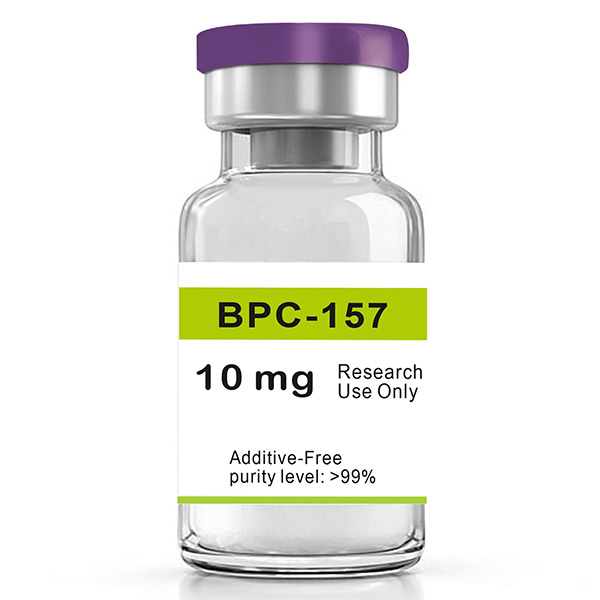
    BPC-157 (Body Protecting Compound-157) is a synthetic peptide consisting of 15 amino acids that has been studied in the context of its potential therapeutic properties, especially with respect to tissue healing, gastrointestinal protection, and anti-inflammatory effects. It is part of a protein sequence isolated from human gastric juice and has attracted attention for its regenerative and protective properties.

    Key Features of BPC-157

    Tissue regeneration:
    • BPC-157 stimulates wound healing, accelerating the recovery of skin, muscles, tendons, ligaments and bones.
    • It promotes angiogenesis (the formation of new blood vessels), which improves blood supply to damaged tissues.
    Protection of the gastrointestinal tract:
    • The peptide demonstrates pronounced gastroprotective properties, helping to heal ulcers of the stomach and intestines.
    • It can reduce damage to the stomach lining caused by taking nonsteroidal anti-inflammatory drugs (NSAIDs) or alcohol.
    Anti-inflammatory effect:
    • BPC-157 reduces inflammation by modulating the production of cytokines and other inflammatory mediators.
    • It can be useful in the treatment of chronic inflammatory diseases.
    Neuroprotective properties:
    • Animal studies have shown that BPC-157 can protect nerve cells and promote recovery from damage to the central and peripheral nervous system.
    Improved joint and ligament function:
    • The peptide promotes the repair of cartilage and tendons, which makes it potentially useful for athletes and people with musculoskeletal injuries.
    Antioxidant effect:
    • BPC-157 reduces oxidative stress by protecting cells from free radical damage.

    Mechanism of action

    The exact mechanism of action of BPC-157 is not fully understood, but it is assumed that it:

    • It stimulates the production of growth factors such as VEGF (Vascular Endothelial growth Factor) and TGF-β (transforming growth factor beta).
    • Improves blood circulation in damaged tissues.
    • Modulates inflammatory processes, reducing the level of pro-inflammatory cytokines.
    • Accelerates cell proliferation and fibroblast migration, which is important for wound healing.

    Application

    BPC-157 is being investigated primarily in preclinical animal studies, but its potential applications include:

    • Treatment of stomach and intestinal ulcers.
    • Recovery from muscle, tendon and ligament injuries.
    • Acceleration of healing after surgery.
    • Protection of the liver and other organs from toxic damage.
    • Support for inflammatory diseases such as arthritis.

    Application forms

    BPC-157 can be used:

    • Oral: to protect and restore the gastrointestinal tract.
    • Injectable: for systemic use, especially in cases of injuries to the musculoskeletal system.
    • Topically: in the form of creams or gels for healing wounds and skin injuries.

    Safety and side effects

    BPC-157 is considered relatively safe, and no serious side effects have been identified in animal studies. However, since human clinical trials are limited, its long-term safety and efficacy require further investigation.

    Conclusion

    BPC-157 is a promising peptide with a wide range of potential therapeutic applications. Its ability to accelerate tissue healing, protect the gastrointestinal tract, and reduce inflammation makes it an interesting target for further research. However, before widespread use, additional clinical trials are needed to confirm its effectiveness and safety in humans.

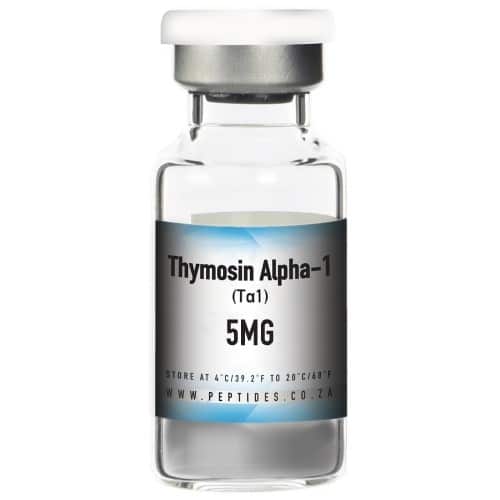
  • Thymosin alpha 1 peptide-description, function and mechanism of action

    Thymosin alpha 1 peptide-description, function and mechanism of action

    Thymosin Alpha-1 (Ta1) is a natural peptide consisting of 28 amino acids, which plays an important role in the regulation of the immune system. It was originally isolated from the thymus (thymus gland), the organ responsible for maturation and differentiation of T cells. Thymosin Alpha-1 is widely studied and used in medicine due to its immunomodulatory, antiviral and antitumor properties.


    Main functions and mechanism of action:

    1. Immunomodulation:
      • Thymosin Alpha-1 stimulates the maturation and activation of T-lymphocytes, which play a key role in the adaptive immune response.
      • Increases the production of cytokines (such as interleukins and interferons) that regulate immune responses.
      • Enhances the function of dendritic cells and macrophages, improving the presentation of antigens and the destruction of pathogens.
    2. Antiviral effect:
      • The peptide has been shown to be effective in fighting viral infections, including hepatitis B, hepatitis C, and HIV. It helps reduce viral load and improve the body’s immune response.
      • Thymosin Alpha-1 is used in combination with antiviral drugs to enhance their effectiveness.
    3. Antitumor activity:
      • The peptide is able to inhibit tumor growth by activating immune cells such as cytotoxic T-lymphocytes and natural killer cells (NK cells).
      • It can also enhance the effectiveness of chemotherapy and radiation therapy.
    4. Antioxidant and anti-inflammatory effects:
      • Thymosin Alpha-1 reduces levels of oxidative stress and inflammation, making it useful in the treatment of chronic inflammatory diseases.

    Application in medicine:

    1. Treatment of viral infections:
      • Hepatitis B and C: Thymosin Alpha-1 is used as adjuvant therapy to reduce viral load and improve liver function.
      • HIV: The peptide may improve the immune status of patients.
    2. Oncology:
      • It is used in combination with chemotherapy or radiation therapy to enhance the antitumor immune response.
      • It is being investigated as a means of preventing cancer recurrence.
    3. Immunodeficiency states:
      • It is used to treat patients with weakened immune systems, for example, after chemotherapy or for chronic infections.
    4. Autoimmune diseases:
      • Thymosin Alpha-1 can modulate the immune response, making it potentially useful in the treatment of autoimmune diseases such as rheumatoid arthritis.
    5. COVID-19:
      • During the COVID-19 pandemic, Thymosin Alpha-1 was studied as a potential means to enhance the immune response in patients with severe disease.

    Release form and method of application:

    • Form: Thymosin Alpha-1 is available as a freeze-dried powder that is diluted with sterile water or saline solution.
    • Method of administration: Usually administered subcutaneously (subcutaneous injection) or intramuscularly (intramuscular injection).
    • Dosage: The dosage depends on the disease and the patient’s condition. It is usually 1.6-3.2 mg 1-2 times a week. The exact dosage should be prescribed by the doctor.

    Safety and side effects:

    Thymosin Alpha-1 is considered a safe drug with minimal side effects. In rare cases, there may be:

    • Slight pain or redness at the injection site.
    • Fatigue.
    • Headache.
    • Allergic reactions (very rare).

    Scientific research:

    Thymosin Alpha-1 is actively studied in clinical and laboratory studies. Some key areas:

    1. Hepatitis: Studies have shown that the peptide can reduce viral load and improve the biochemical parameters of the liver.
    2. Cancer: In combination with other treatments, Thymosin Alpha-1 may improve patient survival.
    3. Immunodeficiency: The peptide is effective in patients with weakened immune systems, for example, after organ transplantation or chemotherapy.

    Preparations based on Thymosin Alpha-1:

    • Zadaxin: One of the most well-known commercial Thymosin Alpha-1-based drugs, approved for the treatment of hepatitis B and C in some countries.
    • General Analogues: Many pharmaceutical companies produce Thymosin Alpha-1 analogues under different trade names.

    Important notes:

    • Thymosin Alpha-1 should only be used under medical supervision.
    • The peptide should be purchased from trusted suppliers to avoid counterfeiting.
    • A full medical examination should be performed before starting treatment.
  • Sirtuin proteins — restore DNA, protect against stress and prolong cell life

    Sirtuin proteins — restore DNA, protect against stress and prolong cell life

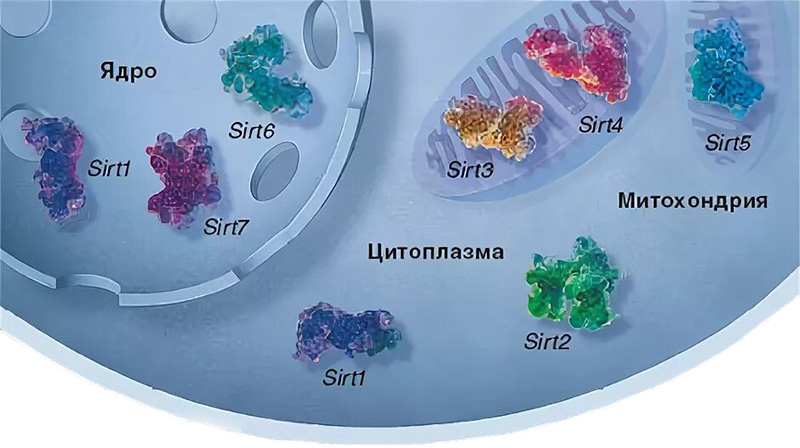
    Sirtuins are a family of NAD+ — dependent deacetylases and ADP-ribosyltransferases that play a key role in regulating cellular metabolism, repairing DNA, protecting against stress, and prolonging cell life. They are considered important players in the aging and longevity processes. Activation of sirtuins can have a positive effect on health, slowing down age-related changes and reducing the risk of chronic diseases.

    Main functions of sirtuins:

    1. Regulation of metabolism:
      • Sirtuins are involved in energy balance control by regulating the processes of gluconeogenesis, lipolysis, and fatty acid oxidation.
    2. Protecting your DNA:
      • Sirtuins help repair DNA damage and maintain genome stability.
    3. Antioxidant protection:
      • They activate genes associated with protection against oxidative stress.
    4. Anti-inflammatory effect:
      • Sirtuins suppress inflammatory processes, which is important for the prevention of age-related diseases.
    5. Regulation of circadian rhythms:
      • Sirtuins affect the biological clock, improving the body’s adaptation to environmental changes.
    6. Maintaining cellular homeostasis:
      • They are involved in the processes of autophagy (utilization of damaged cellular components) and apoptosis (programmed cell death).

    Ways to activate sirtuins:

    Sirtuin activation can occur through a variety of mechanisms, including changes in NAD+ levels, use of natural compounds, physical activity, and calorie restriction.

    1. Increasing the NAD+level:

    • NAD+ (nicotinamide adenine dinucleotide) is a coenzyme essential for sirtuin activity. With age, the NAD+ level decreases, which leads to a decrease in sirtuin activity. Ways to increase NAD+:
      • Receiving NAD + precursors:
        • Nicotinamide riboside (NR) and nicotinamide mononucleotide (NMN) are supplements that are converted to NAD+ in the body.
      • A diet rich in tryptophan and vitamin B3:
        • Foods such as meat, fish, nuts, and seeds contain NAD + precursors.
      • Physical activity:
        • Exercise increases NAD+ levels and activates sirtuins.

    2. Calorie restriction (caloric restriction):

    • Limiting your calorie intake without being deficient in nutrients is one of the most effective ways to activate sirtuins. This is due to an increase in NAD+ levels and a decrease in sirtuin inhibitors such as nicotinamide.
    • Intermittent fasting:
      • Diet modes such as 16/8 (16 hours of fasting and 8 hours of eating) can also activate sirtuins.

    3. Natural Sirtuin Activators:

    • Some natural compounds can directly or indirectly activate sirtuins:
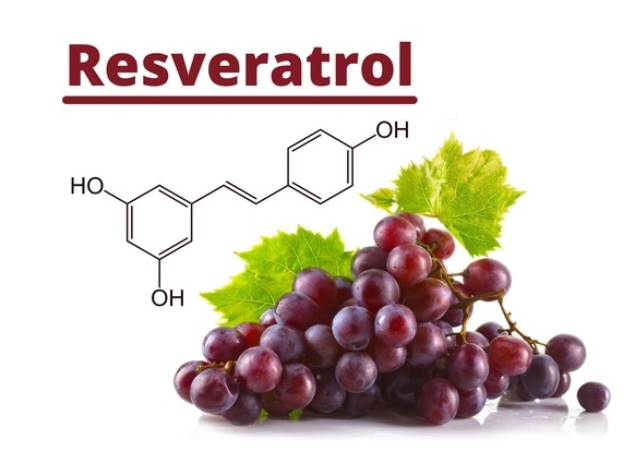
      • Resveratrol:
        • A polyphenol found in red wine, grapes, and berries activates SIRT1.
      • Quercetin:
        • The flavonoid found in apples, onions, and berries also helps activate sirtuins.
      • Fizitin:
        • Another flavonoid that activates sirtuins and promotes cellular health.
      • Curcumin:
        • The active ingredient of turmeric, which has anti-inflammatory and antioxidant properties.

    4. Physical activity:

    • Regular exercise, especially aerobic and strength training, increases NAD+ levels and activates sirtuins. This helps improve your metabolism, protect your DNA, and slow down aging.

    5. Reduced levels of sirtuin inhibitors:

    • Nicotinamide (a form of vitamin B3) is a product of the deacetylation reaction catalyzed by sirtuins and can inhibit their activity. Reducing nicotinamide levels may increase the activity of sirtuins.

    6. Genetic and pharmacological approaches:

    • Genetic activation:
      • Animal studies have shown that increasing the expression of sirtuin genes (such as SIRT1 or SIRT6) can prolong life and improve health.
    • Pharmacological activators:
      • Drugs that can specifically activate sirtuins, such as SRT1720 (SIRT1 activator), are being developed.

    Practical recommendations for activating sirtuins:

    1. A balanced diet:
      • Include foods rich in resveratrol, quercetin, curcumin, and other polyphenols in your diet.
    2. Intermittent fasting:
      • Try eating routines like 16/8 or 5:2 (5 days of normal nutrition and 2 days of calorie restriction).
    3. Regular training sessions:
      • Do aerobic and strength training at least 3-4 times a week.
    4. Taking supplements:
      • Consider taking NMN, NR, or resveratrol after consulting your doctor.
    5. Reducing stress:
      • Practice meditation, yoga, or other stress-reducing techniques, as chronic stress can reduce sirtuin activity.

    The concentration and activity of sirtuin proteins vary from one organism to another, and their role in longevity and stress resistance is being studied in various models. Some organisms show a high concentration or activity of sirtuins, which is associated with their unique adaptations to the environment and life expectancy. Here are some examples::


    Naked mole rat (Heterocephalus glaber):

    • Naked mole rats are unique rodents known for their exceptional life expectancy (up to 30 years) and cancer resistance.
    • They showed high activity of sirtuins, especially SIRT6, which plays a key role in maintaining genome stability and protecting against age-related diseases.

    Long-lived marine organisms:

    • Some marine organisms, such as the hydra and the clam Arctica islandica, show exceptional longevity and resistance to aging.
    • In these organisms, sirtuins play an important role in maintaining cellular homeostasis and tissue regeneration.
  • Resveratrol is an antioxidant and generally good

    Resveratrol is an antioxidant and generally good

    Resveratrol is a natural compound belonging to the group of polyphenols, which has powerful antioxidant and anti-inflammatory properties. It is found in some plants and foods, such as grapes, red wine, berries (blueberries, cranberries), peanuts, and cocoa. Resveratrol has attracted the attention of scientists and the public for its potential anti-aging and wellness effects.

    Basic properties and mechanisms of action:

    1. Antioxidant activity:
      • Resveratrol neutralizes free radicals, protecting cells from oxidative stress, which is one of the main causes of aging and the development of chronic diseases.
    2. Anti-inflammatory effect:
      • Resveratrol suppresses the activity of pro-inflammatory molecules such as cytokines and enzymes (such as COX-2), which helps reduce inflammation in the body.
    3. Activating sirtuins:
      • Resveratrol activates sirtuin proteins (especially SIRT1), which play a key role in regulating cellular metabolism, repairing DNA, and extending cell life. This is one of the main mechanisms associated with the anti-aging properties of resveratrol.
    4. Cardioprotective effect:
      • Resveratrol improves cardiovascular health by lowering ‘bad’ cholesterol (LDL), increasing ‘good’ cholesterol (HDL), and improving blood circulation.
    5. Brain Protection:
      • Resveratrol can improve cognitive function, protect neurons from damage, and reduce the risk of neurodegenerative diseases such as Alzheimer’s and Parkinson’s.
    6. Antitumor activity:
      • Research shows that resveratrol can inhibit the growth of tumor cells and induce apoptosis (programmed cell death) in cancer cells.
    7. Regulation of metabolism:
      • Resveratrol improves insulin sensitivity, which may be beneficial for people with type 2 diabetes or metabolic syndrome.
    8. Longevity Support:
      • Resveratrol is being studied in the context of prolonging life and slowing the aging process, although its effects on human life expectancy have not yet been proven.

    Sources of Resveratrol:

    • Red wine: One of the most well-known sources, but alcohol consumption should be moderate.
    • Grapes: especially the skin and seeds.
    • Berries: blueberries, cranberries, raspberries.
    • Peanuts: especially red skins.
    • Cocoa and dark chocolate.
    • Dietary Supplements: Resveratrol is available in capsule, tablet, or extract form.

    Resveratrol Application:

    1. Anti-aging therapy:
      • Resveratrol is used to slow down the aging process and improve the overall health of the body.
    2. Cardiovascular diseases:
      • It helps reduce the risk of atherosclerosis, improve blood circulation, and support heart health.
    3. Neurological diseases:
      • Resveratrol is being studied for the prevention and treatment of Alzheimer’s, Parkinson’s, and other neurodegenerative diseases.
    4. Diabetes and metabolic syndrome:
      • Resveratrol can improve insulin sensitivity and lower blood sugar levels.
    5. Oncology:
      • Although resveratrol is not a cure for cancer, it is being researched as an adjunct to prevention and therapy.
    6. Cosmetology:
      • Resveratrol is used in cosmetics to protect the skin from aging and improve its appearance.

    Dosage:

    The optimal dosage of resveratrol depends on the purpose of use. Usually, the recommended dosage ranges from 100 to 500 mg per day. However, it is best to consult your doctor before taking the medication, especially if you have a chronic medical condition or are taking other medications.

    Side effects:

    Resveratrol is considered safe for most people when consumed in moderation. However, in high doses, it can cause:

    • Upset stomach,
    • Nausea,
    • A headache,
    • Insomnia.

    Researches:

    Resveratrol is actively studied in the laboratory and in animal models. Many studies confirm its potential health benefits, but human clinical trials are still limited. More research is needed to confirm its effectiveness and long-term safety.

    Conclusion:

    Resveratrol is a promising compound with a wide range of potential health benefits, including anti-aging, cardioprotective, and neuroprotective effects.

    Trans-resveratrol and resveratrol are essentially the same compound

    but with an important clarification: trans-resveratrol is the biologically active form of resveratrol. To understand the difference, you need to consider the chemical structure and properties of these compounds.


    Chemical structure:

    1. Resveratrol:
      • Resveratrol exists in two isomeric forms: trans-resveratrol and cis-resveratrol.
      • Isomers are compounds with the same molecular formula but different spatial structures.
    2. Trans-Resveratrol:
      • It is a biologically active form of resveratrol, which has all the beneficial properties, such as antioxidant, anti-inflammatory and cardioprotective effects.
      • In nature, trans-resveratrol is more common than the cis-form.
    3. Cis-resveratrol:
      • This form is less studied and has significantly less biological activity compared to trans-resveratrol.

    Main differences:

    1. Biological activity:
      • Trans-resveratrol is an active form that has a positive effect on health.
      • Cis-resveratrol has almost no biological activity.
    2. Stability:
      • Trans-resveratrol is more stable than the cis-form.
      • When exposed to light, heat, or changes in pH, trans-resveratrol can turn into the cis form, losing its beneficial properties.
    3. Sources:
      • In nature (for example, in the skin of grapes or berries), resveratrol is present mainly in the trans form.
      • In food supplements and cosmetics, it is important that trans-resveratrol is used, as it has a therapeutic effect.

    Why is the Resveratrol form important?

    • Effectiveness: Trans-resveratrol is an active form that interacts with cells and has a positive effect on health.
    • Bioavailability: The trans form is better absorbed by the body than the cis form.
    • Stability: Trans-resveratrol can lose its properties if stored or processed improperly, so it is important to choose high-quality supplements and products.

    How to distinguish trans-resveratrol from cis-form?

    1. Marking:
      • Quality supplements and cosmetics should indicate the form of resveratrol. Look for the label ‘trans-resveratrol’.
    2. Keeping:
      • Trans-resveratrol is sensitive to light and heat, so it should be stored in a dark, cool place.
    3. Sources:
      • Natural sources, such as grape skins or berries, contain mostly the trans form.

    Conclusion:

    Trans-resveratrol is a biologically active form of resveratrol, which has all the beneficial properties, such as antioxidant, anti-inflammatory and cardioprotective effects. Cis-resveratrol, on the other hand, is less active and does not have a significant impact on health. When choosing supplements or products with resveratrol, it is important to pay attention to the form of the compound and give preference to trans-resveratrol.