Рубрика: Medical articles>General articles

  • End-product glycation receptors-RAGE

    End-product glycation receptors-RAGE

    Receptors for Advanced Glycation End-products (RAGE) are specialized proteins that play a key role in recognizing and interacting with glycation end-products (AGEs). These receptors belong to the family of immunoglobulins and are involved in various cellular processes, including inflammation, oxidative stress, and signaling. RAGE is expressed on the surface of many cell types, including macrophages, endothelial cells, neurons, and smooth muscle cells.

    RAGE structure and function

    RAGE is a transmembrane protein consisting of three main domains:

    1. Extracellular domain:
      • It contains sites for binding ligands, such as AGEs, as well as other molecules (for example, S100 proteins, HMGB1 and amyloid fibrils).
      • This domain is responsible for recognizing and binding AGEs.
    2. Transmembrane domain:
      • Provides binding of the receptor in the cell membrane.
    3. Intracellular domain:
      • Participates in the transmission of signals into the cell after activation of the receptor.

    RAGE Ligands

    RAGE interacts not only with AGEs, but also with other molecules that can activate the receptor:

    • AGEs: The main ligands that are formed as a result of glycation of proteins, lipids, and nucleic acids.
    • S100-proteins: A family of calcium-binding proteins involved in inflammation and regulation of cellular processes.
    • HMGB1 (High Mobility Group Box 1): A protein that is released when cells are damaged and is involved in inflammatory responses.
    • Amyloid fibrils: Protein aggregates associated with neurodegenerative diseases such as Alzheimer’s disease.

    Mechanism of action of RAGE

    1. Ligand binding:
      • AGEs or other ligands bind to the extracellular domain of RAGE.
    2. Activation of signaling pathways:
      • After ligand binding, RAGE activates intracellular signaling pathways, including:
        • NF-kB (Nuclear Factor kappa-light-chain-enhancer of activated B cells): A key transcription factor that regulates the expression of genes associated with inflammation and immune response.
        • MAPK (Mitogen-Activated Protein Kinase): A signaling pathway involved in the regulation of cell growth, differentiation, and apoptosis.
        • PI3K/Akt (Phosphoinositide 3-Kinase/Protein Kinase B): A pathway associated with cell survival and metabolism.
    3. Inflammatory response:
      • RAGE activation leads to increased production of pro-inflammatory cytokines (e.g., IL-1b, IL-6, TNF-α) and chemokines, which contributes to the development of chronic inflammation.
    4. Oxidative stress:
      • RAGE activates NADPH oxidase, which leads to increased production of reactive oxygen species (ROS) and increased oxidative stress.

    The role of RAGE in diseases

    RAGE plays an important role in the pathogenesis of many diseases, especially those associated with chronic inflammation and oxidative stress:

    1. Diabetes and its complications:
      • In diabetes, increased levels of AGEs activate RAGE, which leads to vascular damage (angiopathy), kidney damage (nephropathy), nerve damage (neuropathy), and eye damage (retinopathy).
    2. Atherosclerosis:
      • RAGE activation in endothelial cells and macrophages contributes to the development of atherosclerosis by increasing inflammation and oxidative stress.
    3. Neurodegenerative diseases:
      • In the brain, RAGE interacts with amyloid fibrils, which contributes to the formation of plaques in Alzheimer’s disease.
      • RAGE activation is also associated with neuroinflammation and neuronal death.
    4. Cancer:
      • RAGE can promote tumor growth and metastasis by activating signaling pathways associated with cell survival and migration.
    5. Chronic inflammatory diseases:
      • RAGE is involved in the pathogenesis of rheumatoid arthritis, inflammatory bowel diseases, and other conditions associated with chronic inflammation.

    RAGE inhibition as a therapeutic strategy

    Given the role of RAGE in the development of diseases, inhibition of this receptor is considered as a potential therapeutic strategy. Some approaches include:

    1. RAGE Blockers:
      • Drugs that block ligand binding to RAGE are being developed (for example, soluble forms of RAGE that compete for binding to AGEs).
    2. Antioxidants:
      • Reducing oxidative stress can reduce RAGE activation.
    3. AGEs level control:
      • Reducing the levels of AGEs in the body (for example, through diet or glycation-inhibiting medications) can reduce RAGE activation.

    Conclusion

    RAGE is an important receptor that binds end products of glycation and other ligands, participating in the development of inflammation, oxidative stress and various diseases. Understanding the mechanisms of RAGE action opens up new opportunities for developing therapeutic approaches aimed at treating diabetes, atherosclerosis, neurodegenerative diseases, and other pathologies.
  • Glycation is an evil that needs to be combated

    Glycation is an evil that needs to be combated

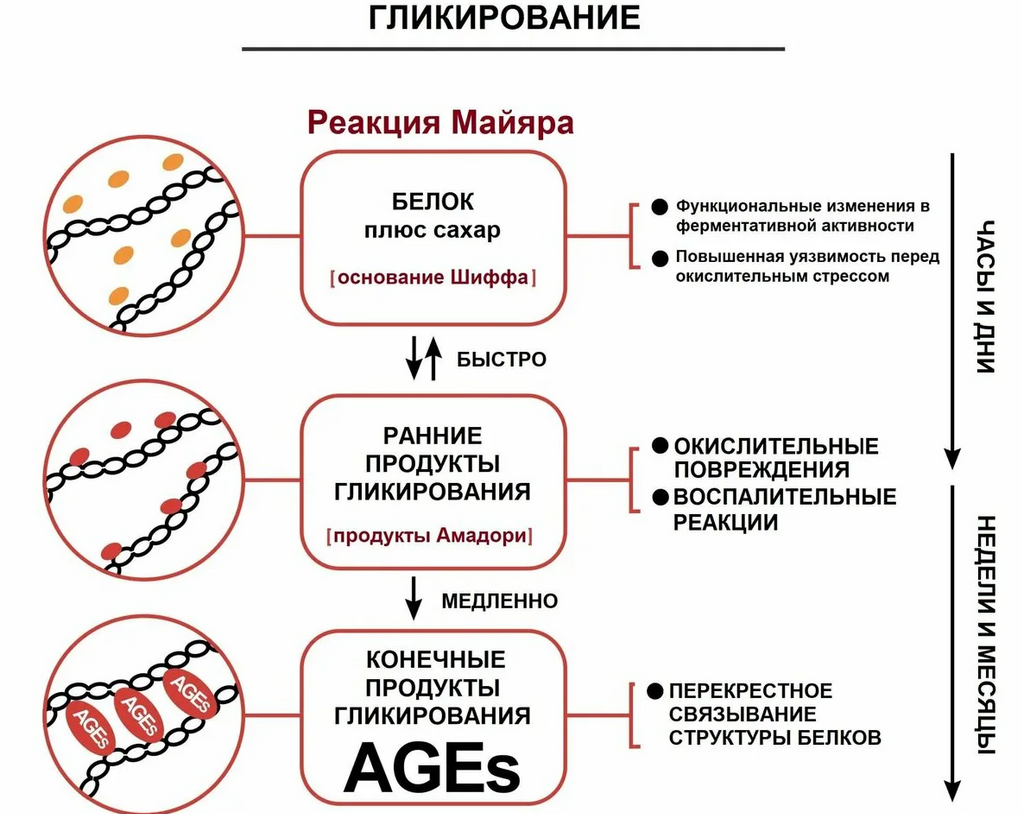
    Glycation (or glycation) is a non-enzymatic process in which sugar molecules (such as glucose, fructose, or galactose) bind to proteins, lipids, or nucleic acids to form stable compounds. This process plays an important role in biology and medicine, as it can affect the structure and function of molecules, as well as participate in the development of various diseases, including diabetes, aging and neurodegenerative disorders.

    Main stages of glycation

    1. Initial stage (Schiff base formation):
      • A sugar molecule (for example, glucose) interacts with the free amino group (NH₂) of a protein (for example, lysine or arginine), forming an unstable compound — the Schiff base.
      • This is a reversible reaction that can occur both in the forward and reverse directions.
    2. Amadori stage (formation of ketosamines):
      • The Schiff base undergoes a rearrangement, turning into a more stable compound — ketosamine (for example, fructosamine).
      • This stage is also reversible, but less dynamic.
    3. Formation of glycation end-products (AGEs, Advanced Glycation End-products):
      • Ketosamines can undergo further chemical transformations, including oxidation, dehydration, and polymerization.
      • As a result, glycation end products (AGEs) are formed, which are stable and irreversible compounds.
      • AGEs can accumulate in tissues and organs, causing damage.

    The role of glycation in the body

    Glycation is a natural process that occurs in the body all the time. However, when blood sugar levels are elevated (such as in diabetes), this process is accelerated, which leads to the accumulation of AGEs and tissue damage.

    Effect on proteins

    • Structural changes: Glycation can alter the structure of proteins, making them less functional. For example, glycation of collagen (the main protein of connective tissue) leads to a loss of elasticity of the skin and blood vessels.
    • Functional changes: Glycation of enzymes can reduce their activity, and glycation of receptors can disrupt signal transmission.

    Effect on lipids

    • Glycation of lipids can change the properties of cell membranes, making them more rigid and less permeable.

    Effects on DNA

    • DNA glycation can lead to mutations and disruption of DNA repair processes.

    Pathological consequences of glycation

    1. Diabetes:
      • In diabetes, elevated blood glucose levels accelerate the glycation process.
      • Accumulation of AGEs in blood vessels, kidneys, nerves, and eyes leads to the development of complications such as diabetic retinopathy, nephropathy, and neuropathy.
    2. Aging:
      • With age, the level of AGEs in the body increases, which contributes to the aging of tissues.
      • Glycation of collagen and elastin leads to loss of skin elasticity, the appearance of wrinkles and deterioration of vascular function.
    3. Neurodegenerative diseases:
      • The accumulation of AGEs in the brain is associated with the development of Alzheimer’s and Parkinson’s diseases.
      • Glycation of proteins such as tau protein and amyloid beta can contribute to the formation of amyloid plaques.
    4. Cardiovascular diseases:
      • Glycation of vascular wall proteins leads to an increase in arterial stiffness and the development of atherosclerosis.

    Mechanisms of protection against glycation

    The body has several mechanisms to protect itself from the harmful effects of glycation:

    1. Enzymatic degradation of AGEs:
      • Some enzymes, such as fructosamine-3-kinase, can break down early glycation products.
    2. Antioxidants:
      • Antioxidants (such as vitamin C and vitamin E) help prevent oxidative processes that contribute to the formation of AGEs.
    3. AGEs (RAGE)receptors:
      • These receptors bind AGEs and promote their removal from the body. However, if there is an excess of AGEs, RAGE activation can lead to inflammation and tissue damage.

    Prevention and treatment

    To reduce the negative impact of glycation, it is recommended to:

    • Control of blood sugar levels (especially in diabetic patients).
    • Follow a diet low in simple sugars.
    • Eating foods rich in antioxidants (vegetables, fruits, nuts).
    • Use of drugs that inhibit the formation of AGEs (for example, aminoguanidine).

    Conclusion

    Glycation is an important biochemical process that plays a key role in the development of many diseases. Understanding its mechanisms allows us to develop new approaches to the prevention and treatment of diabetes, aging, and other pathologies. Blood sugar control and a healthy lifestyle remain the main ways to reduce the negative effects of glycation on the body.

  • Activation of the SIRT6 gene

    Activation of the SIRT6 gene

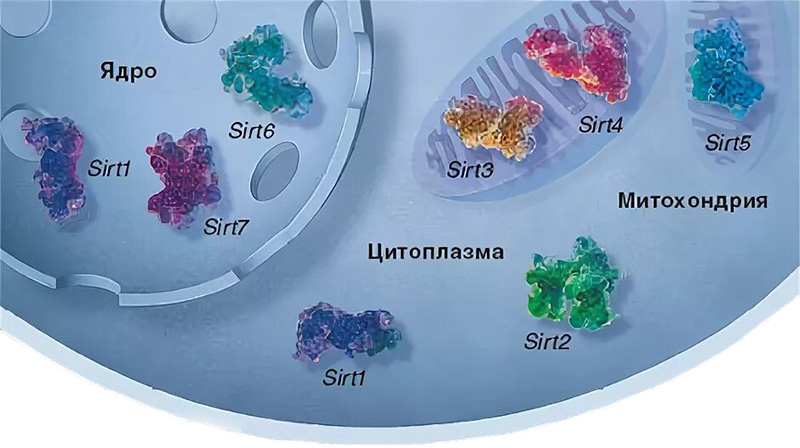
    Activation of the SIRT6 gene (sirtuin 6) is of great interest to science and medicine, as this gene plays a key role in regulating a variety of biological processes, including aging, metabolism, DNA repair, and inflammation. SIRT6 is a NAD+ — dependent deacetylase and mono-ADP-ribosyltransferase, and its activation can have a positive effect on health and life expectancy.

    Main ways to activate the SIRT6 gene:

    1. Pharmacological activation:

    • SIRT6 Activators: There are small molecules that can directly activate SIRT6. For example:
      • MDL-800: A synthetic activator of SIRT6 that enhances its deacetylase activity and promotes improved metabolic health and DNA repair.
      • Cyanidin-3-Glucoside (C3G): A natural flavonoid that can activate SIRT6 and improve metabolic functions.
    • NAD+ boosters: Since SIRT6 is a NAD+ — dependent enzyme, increasing NAD+ levels in cells can increase its activity. Examples of NAD+ boosters:
      • Nicotinamide riboside (NR),
      • Nicotinamide mononucleotide (NMN).

    2. Dietary and natural compounds:

    • Resveratrol: A polyphenol found in red grapes and berries that can indirectly activate SIRT6 by increasing NAD+levels.
    • Quercetin: A flavonoid with antioxidant properties that can stimulate the activity of sirtuins, including SIRT6.
    • Curcumin: An active component of turmeric that can modulate SIRT6 activity and have an anti-inflammatory effect.

    3. Genetic approaches:

    • Gene therapy: The introduction of additional copies of the SIRT6 gene using viral vectors (for example, adenoviruses or lentiviruses) to increase its expression.
    • CRISPR activation: Using the CRISPR / Cas9 system for targeted activation of the SIRT6 gene. For example, the use of dCas9 (deactivated Cas9) in combination with activator domains (for example, VP64) to enhance SIRT6 transcription.

    4. Epigenetic regulation:

    • Histone Deacetylase inhibitors (HDACs): Some HDAC inhibitors may indirectly affect SIRT6 expression by altering the epigenetic landscape.
    • Histone modification: Acetylation or methylation of histones in the promoter region of the SIRT6 gene can regulate its expression.

    5. Physiological and metabolic stimuli:

    • Caloric restriction: Reducing caloric intake is one of the most effective ways to activate sirtuins, including SIRT6. This is due to an increase in NAD+ levels and activation of AMPK (AMP-activated protein kinase).
    • Physical Activity: Regular exercise can increase NAD+ levels and activate SIRT6, improving metabolic health and DNA repair.

    6. miRNAs:

    • Some miRNAs may regulate SIRT6 expression. For example, suppressing miRNAs that inhibit SIRT6 may increase its activity.

    Possible effects of SIRT6 activation:

    • Increased life expectancy: SIRT6 plays an important role in protecting against age-related diseases.
    • Improved Metabolism: Activating SIRT6 can improve insulin sensitivity and reduce the risk of diabetes.
    • Cancer protection: SIRT6 is involved in the suppression of tumor growth through the regulation of DNA repair and cancer cell metabolism.
    • Reduced inflammation: SIRT6 modulates inflammatory processes, which may be useful in chronic diseases.

    Current research:

    SIRT6 activation is actively studied in preclinical and clinical studies. For example:

    • Studies in mice have shown that activating SIRT6 can improve metabolic health and increase life expectancy.
    • NAD+ boosters (such as NMN and NR) are being studied in clinical trials to activate sirtuins, including SIRT6.
  • Cell rejuvenation — all options and methods

    Cell rejuvenation — all options and methods

    Cell rejuvenation is a complex process that involves restoring their functionality, slowing down aging, and improving their regenerative abilities. Current research in the biology of aging and regenerative medicine has identified several key mechanisms that may contribute to cell rejuvenation. Here are the main ones:


    1. Telomerase activation

    • Mechanism: Telomeres are protective ‘caps’ at the ends of chromosomes that shorten with each cell division. When telomeres become too short, the cell stops dividing and ages. Telomerase is an enzyme that can lengthen telomeres, extending the life of a cell.
    • Effect: Telomerase activation can slow down cell aging and increase their proliferative capacity.
    • Example: The use of telomerase is being studied in the context of the treatment of age-related diseases and tissue regeneration.

    2. Autophagy

    • Mechanism: Autophagy is a process in which a cell ‘recycles’ damaged or unnecessary components (for example, proteins and organelles). This helps the cell to get rid of toxic waste and maintain homeostasis.
    • Effect: Enhanced autophagy helps to purify the cell, improve its functions and slow down aging.
    • Example: Diets such as intermittent fasting and medications such as rapamycin can stimulate autophagy.

    3. DNA repair

    • Mechanism: Damage caused by oxidative stress, radiation, and other factors accumulates in the DNA as we age. Activation of DNA repair systems helps repair these lesions.
    • Effect: Improved DNA repair reduces the risk of mutations and maintains genome stability.
    • Example: Proteins such as PARP1 and ATM play a key role in DNA repair.

    4. Reducing oxidative stress

    • Mechanism: Oxidative stress caused by excess free radicals damages cellular structures (lipids, proteins, DNA). Antioxidants neutralize free radicals and protect cells.
    • Effect: Reducing oxidative stress slows down aging and improves cell function.
    • Example: Antioxidants such as glutathione, vitamin C, coenzyme Q10, and resveratrol are used to protect cells.

    5. Epigenetic reprogramming

    • Mechanism: With age, epigenetic changes accumulate in cells (for example, DNA methylation) that affect gene expression. Reprogramming the epigenome can ‘rejuvenate’ cells by restoring their youthful gene expression.
    • Effect: Restoration of young gene expression patterns.
    • Example: Using Yamanaki factors (Oct4, Sox2, Klf4, c-Myc) to reprogram cells.

    6. Stem cell stimulation

    • Mechanism: Stem cells are able to differentiate into different cell types and renew tissues. Their activity decreases with age. Stem cell stimulation can restore the regenerative potential of tissues.
    • Effect: Improves tissue regeneration and slows down aging.
    • Example: Using peptides such as epitalon to activate stem cells.

    7. Senolytics (removal of senescent cells)

    • Mechanism: Senescent cells stop dividing, but they release pro-inflammatory factors that harm the surrounding cells. Senolytics are substances that selectively destroy senescent cells.
    • Effect: Removal of senescent cells improves tissue function and slows down aging.
    • Example: Drugs such as dasatinib and quercetin are used as senolytics.

    8. Mitochondrial biogenesis

    • Mechanism: Mitochondria are the’ power stations ‘ of the cell. With age, their function worsens. Stimulation of mitochondrial biogenesis (the formation of new mitochondria) improves the energy metabolism of the cell.
    • Effect: Improving energy metabolism and slowing down aging.
    • Example: Substances such as PQQ (pyrroloquinoline quinone) and coenzyme Q10 stimulate mitochondrial function.

    9. Regulation of signaling pathways (e.g., mTOR, AMPK)

    • Mechanism: Signaling pathways such as mTOR and AMPK regulate cell growth, division, and survival. mTOR inhibition and AMPK activation can slow down aging.
    • Effect: Improved cellular metabolism and extended cell life.
    • Example: Rapamycin inhibits mTOR and metformin activates AMPK.

    10. Restoration of the extracellular matrix

    • Mechanism: The extracellular matrix (ECM) is a structure that supports cells and tissues. With age, ECM degrades, which leads to a loss of tissue elasticity and function. ECM repair can improve tissue regeneration.
    • Effect: Improvement of the structure and function of tissues.
    • Example: Using peptides such as collagen and elastin to repair ECM.

    11. Hormone regulation

    • Mechanism: With age, the level of many hormones (for example, growth hormone, melatonin, sex hormones) decreases. Restoring hormone balance can improve the function of cells and tissues.
    • Effect: Improved metabolism, regeneration and overall health of the body.
    • Example: Hormone replacement therapy (for example, growth hormone, melatonin).

    12. Use of peptides

    • Mechanism: Some peptides, such as epitalon, can stimulate telomerase production, improve tissue regeneration, and slow aging.
    • Effect: Improvement of cellular functions and prolongation of cell life.
    • Example: Epitalon, BPC-157, TB-500.

    Conclusion

    Cell rejuvenation is a multi-factorial process that requires a comprehensive approach. Current research in the biology of aging and regenerative medicine is actively exploring these mechanisms to develop effective methods to extend life and improve health. However, it is important to remember that many of these approaches are still under research

  • Vascular endothelium

    Vascular endothelium

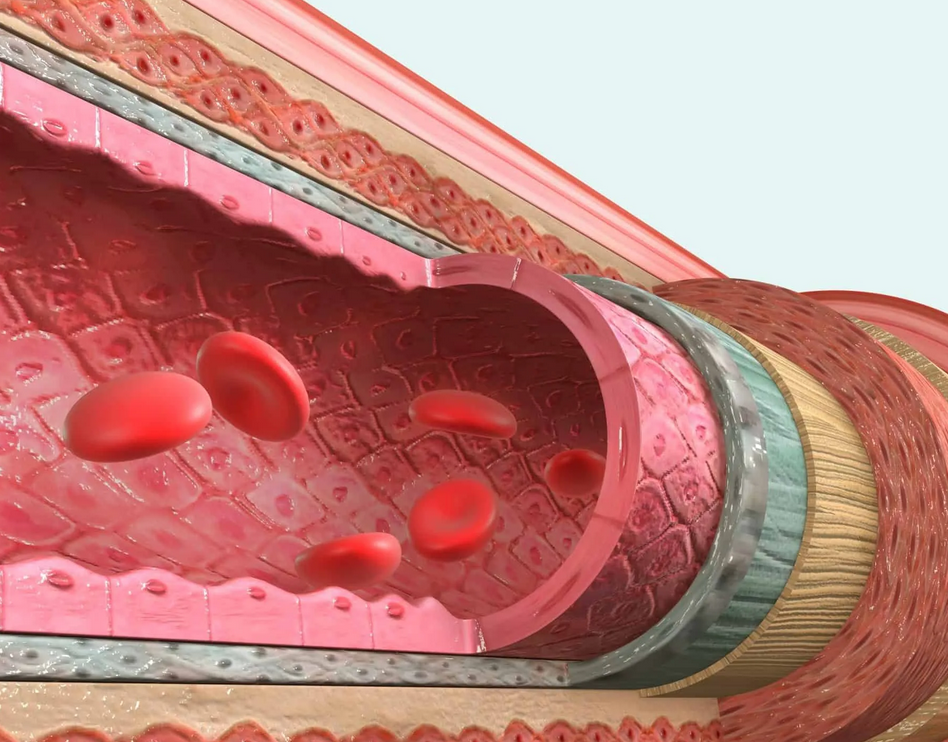
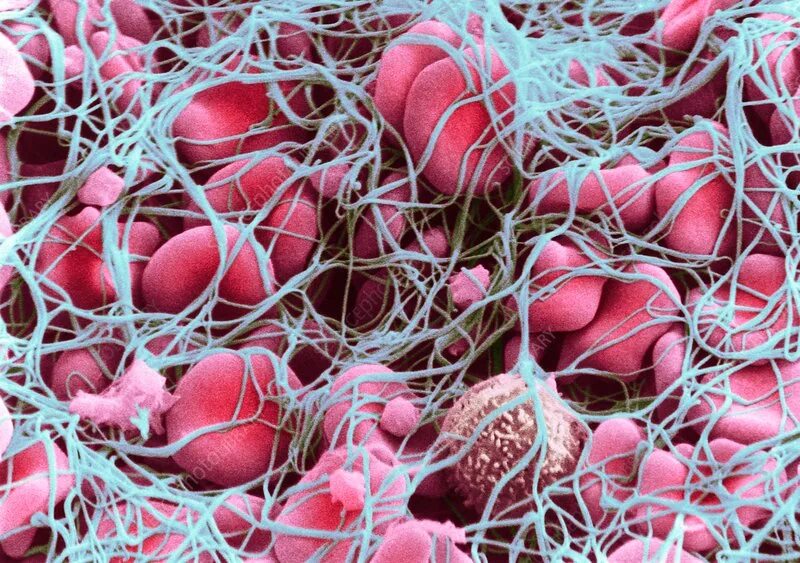
    Vascular endothelium is a single-layered layer of cells lining the inner surface of blood and lymph vessels. This is not just a ‘coating’, but an active endocrine organthat plays a key role in regulating vascular tone, hemostasis, immune response and metabolism.


    1. Structure and functions of the endothelium

    Endothelial anatomy

    • It consists of endothelial cells (ECS) tightly connected to each other.
    • In the capillaries — a thin layer (facilitates metabolism).
    • In the arteries — more dense and layered (withstands high pressure).

    , Main functions

    Регуля Regulation of vascular tone (synthesis of NO, prostacyclin, endothelin).
    Control of blood clotting (balance between thrombosis and anticoagulation).
    Immune defense (participation in inflammation, white blood cell adhesion).
    Бар Barrier function (selective nutrient permeability).
    Анг Angiogenesis (growth of new blood vessels).


    2. Key molecules released by the endothelium

    MoleculeEffectImpairment in Dysfunction
    Nitric Oxide (NO)Vasodilation, antiplatelet effectHypertension, atherosclerosis
    Endothelin-1Vasoconstriction, SMC proliferationVasospasm, hypertension
    Prostacyclin (PGI2)Reduction of platelet aggregationThrombus formation
    von Willebrand Factor (vWF)Involvement in blood clottingBleeding or thrombosis
    Angiotensin-IIVasoconstrictive actionArterial hypertension

    3. Endothelial dysfunction: causes and consequences

    Causes of endothelial damage

    • Oxidative stress (free radicals).
    • Hyperglycemia (in diabetes).
    • Hyperlipidemia (LDL is oxidized and damages the walls of blood vessels).
    • Smoking, alcohol.
    • Hypodynamia (lack of blood flow).
    • Chronic inflammation (C-reactive protein, IL-6).

    Последствия Consequences of dysfunction

    Atherosclerosis (accumulation of cholesterol plaques).
    Arterial hypertension (reduced NO production).
    Тром Thrombosis and heart attacks (violation of the coagulation balance).
    Иш Organ ischemia (deterioration of microcirculation).


    4. How to improve the condition of the endothelium?

    ① Pharmacological methods

    • Statins (reduce LDL oxidation, increase NO).
    • ACE inhibitors (reduce angiotensin-II).
    • Calcium antagonists (relax blood vessels).
    • L-arginine (a precursor of NO).

    ② Non-medicinal methods

    Exercise (increases blood flow and NO synthesis).
    Антиоксид Antioxidants (vitamins C, E, coenzyme Q10, resveratrol).
    Omega-3 fatty acids (reduce inflammation, improve vascular elasticity).
    Quitting smoking and alcohol.
    Control of sugar and cholesterol.

    Перспектив Promising methods

    • Stem cell therapy (endothelial repair).
    • Gene therapy (increased expression of eNOS, an enzyme that synthesizes NO).

    5. Diagnosis of endothelial dysfunction

    Non-invasive methods:

    • Plethysmography (assessment of blood flow).
    • Ultrasound with reactive hyperemia (brachial artery dilation test).
    • Blood test for markers (endothelin-1, vWF, ADMA).

    Invasive methods:

    • Coronary angiography (assessment of the state of the heart vessels).

    6. Withdrawal

    Vascular endothelium is the ‘intellectual layer’ of blood vessels, which determines:
    ✔ Blood pressure.
    ✔ Risk of heart attacks and strokes.
    ✔ Overall cardiovascular health.

    What to do?
    Move (physical activity is the best NO stimulator).
    Eat right (less sugar, more antioxidants).
    Control cholesterol and blood pressure.

    If there are signs of vascular diseases (hypertension, atherosclerosis) — you should check the condition of the endothelium and start correction!

  • Calculator for calculating the amount of peptides in a syringe

    Calculator for calculating the amount of peptides in a syringe

    In this case, a formula is used that relates the amount of peptide, the volume of water, the volume of the syringe, and the number of divisions on the syringe. The formula looks like this:

    Syringe mark = (Required amount of peptide / Total weight of peptide) × Water volume ×100 Syringe mark = (Total weight of peptide Required amount of peptide) × Water volume×100

    Where:

    • Required amount of peptide — the amount of peptide that you want to receive in a dose (for example, 0.25 mg).
    • Total peptide weight — the total amount of peptide in the vial (for example, 5 mg).
    • Volume of water — the volume of bacteriostatic water added for dissolution (for example, 2 ml).
    • 100 — the number of divisions on the syringe (for a 1 ml syringe).

    Calculation example:

    • Total peptide weight: 5 mg.
    • Water volume: 2 ml.
    • Required amount of peptide: 0.25 mg.
    • Syringe: 1 ml (100 divisions).

    Mark on the syringe=(0.25 mg5 mg)×2 ml×100=10 marks Mark on the syringe=(5 mg0. 25 mg)×2 ml×100=10 marks


    Step-by-step explanation:

    1. Concentration of the peptide in solution:Concentration=Total peptide weight Water volume=5 mg2 ml=2.5 mg / mlconcentration=Water volumetotal peptide weight=2ml5mg=2.5 mg / ml
    2. Volume of solution for the desired dose:Volume=Required amount of peptidaconcentration=0.25 mg2. 5 mg / ml=0.1 ml Volume=Concentration of Rainbow amount of peptide=2.5 mg / ml0. 25mg=0.1 ml
    3. Converting volume to syringe divisions:Mark on the syringe=0.1 ml × 100=10 marks Mark on the syringe=0.1 ml×100=10 marks

    Result:

    The formula used on the site allows you to calculate up to what mark on the syringe you need to collect the solution in order to get the right amount of peptide. In your example, for a dose of 0.25 mg, you need to dial the solution to mark 10 on a 1 ml syringe (100 divisions).

  • The process of digestion of food in the gastrointestinal tract

    The process of digestion of food in the gastrointestinal tract

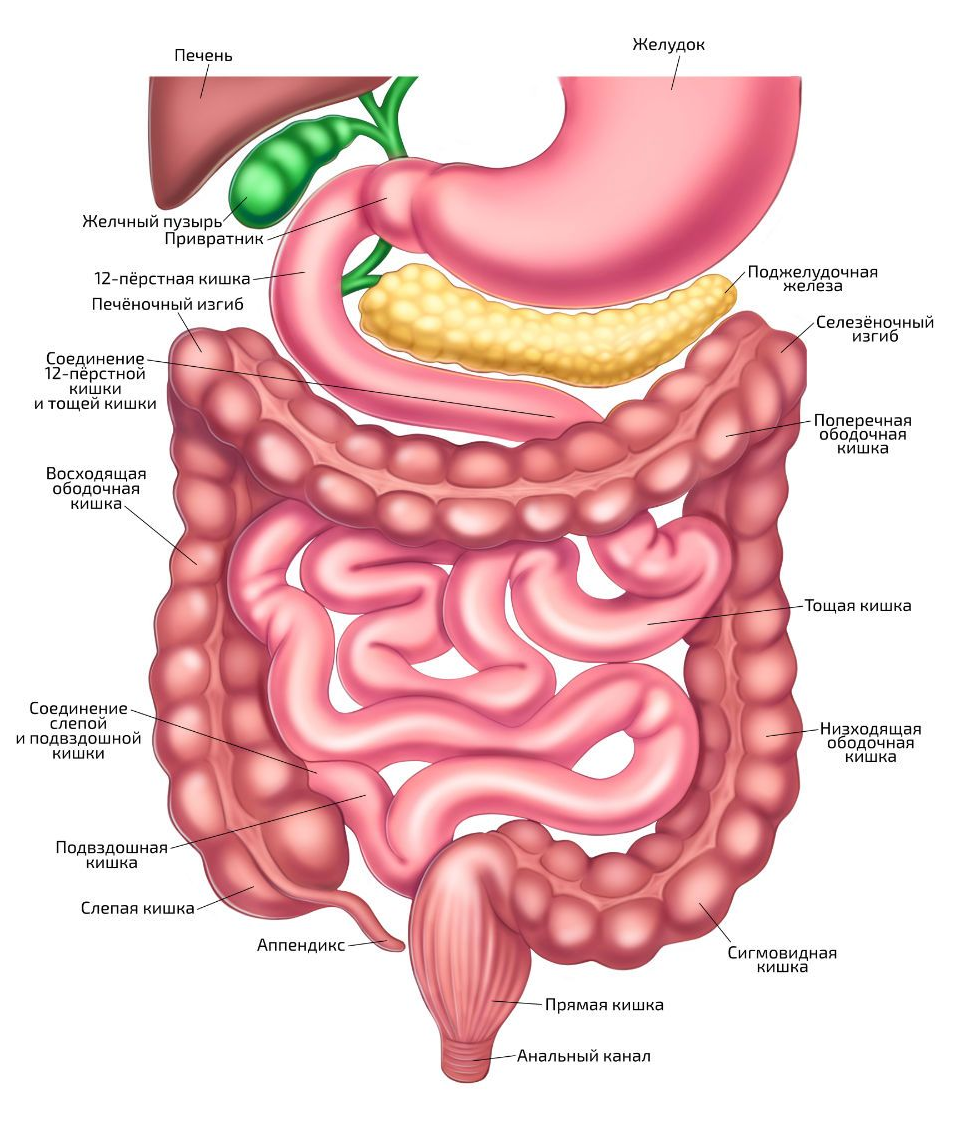
    The process of food digestion in the human gastrointestinal tract (GIT) is a complex and multi-stage process, during which food is broken down into simpler components that can be absorbed by the body. This process involves mechanical crushing of food, chemical breakdown by enzymes, and absorption of nutrients. Let’s take a step-by-step look at this process, starting from the moment food enters the mouth and ending with its removal from the body.


    1. Oral cavity (mechanical and chemical treatment):

    • Mechanical processing: The teeth grind food, and the tongue helps to mix it with saliva.
    • Chemical treatment: Saliva contains the enzyme amylase, which breaks down carbohydrates (such as starch) into simpler sugars (maltose).
    • The result: The food turns into a food lump (bolus) that is easily swallowed.

    2. Esophagus (transport):

    • A food lump passes through the esophagus due to peristalsis — wave-like contractions of the muscles of the esophageal walls.
    • At this stage, food breakdown does not occur.

    3. Stomach (mechanical and chemical treatment):

    • Mechanical processing: The stomach walls contract, mixing food with gastric juice.
    • Chemical treatment:
      • Gastric juice contains hydrochloric acid (HCl), which creates an acidic environment (pH ~1-2) necessary for activating enzymes and killing bacteria.
      • The enzyme pepsin breaks down proteins into shorter peptides.
      • Gastric lipase begins to break down fat, but its role here is minimal.
    • The result: The food turns into a semi-liquid mass called chyme.

    4. Small intestine (basic digestion and absorption):

    The small intestine consists of three parts: the duodenum, jejunum, and ileum. This is where the main breakdown and absorption of nutrients takes place.

    • The duodenum:
      • Here comes chyme from the stomach.
      • The pancreas secretes pancreatic juice containing enzymes:
        • Amylase -continues to break down carbohydrates.
        • Lipase -breaks down fats into glycerol and fatty acids.
        • Proteases (trypsin, chymotrypsin) — break down proteins into amino acids.
      • Bile produced by the liver and stored in the gallbladder emulsifies fats, facilitating their breakdown by lipase.
    • Jejunum and Ileum:
      • Here, nutrients are absorbed through the intestinal walls into the blood and lymph.
      • Carbohydrates are absorbed as monosaccharides (glucose, fructose).
      • Proteins are absorbed as amino acids.
      • Fats are absorbed as fatty acids and monoglycerides, which are then converted to lipoproteins and transported through the lymphatic system.

    5. Large intestine (water absorption and stool formation):

    • In the large intestine, water, electrolytes, and certain vitamins (such as B and K vitamins produced by the intestinal microflora) are absorbed.
    • Food residues that have not been digested and assimilated are compacted and formed into fecal masses.
    • The microflora of the large intestine plays an important role in the fermentation of undigested carbohydrates and the synthesis of certain vitamins.

    6. Rectum and anus (excretion):

    • Feces accumulate in the rectum.
    • Through the anus, fecal matter is removed from the body.

    Basic enzymes and their role in food breakdown:

    1. Carbohydrates:
      • Amylase (saliva, pancreas) → maltose.
      • Maltase, sucrose, lactase (small intestine) → glucose, fructose, galactose.
    2. Squirrels:
      • Pepsin (stomach) → peptides.
      • Trypsin, chymotrypsin (pancreas) → amino acids.
    3. Fats:
      • Lipase (pancreas) → glycerol + fatty acids.
      • Bile (emulsification of fats).

    Conclusion

    The process of food digestion in the gastrointestinal tract is a well-coordinated work of mechanical and chemical processes involving enzymes, acids, bile and microflora. Each step plays an important role in converting food into nutrients that can be absorbed by the body. Disruption of any of the steps can lead to problems with digestion and nutrient absorption.

  • Metabolic cycles — Urea, pentose phosphate, beta-oxidation, Measles, Folate

    Metabolic cycles — Urea, pentose phosphate, beta-oxidation, Measles, Folate

    1. The urea cycle (ornithine cycle)

    • Function: Converts toxic ammonia (NH₃) into urea, which is then eliminated from the body.
    • Where it occurs: In the liver.
    • Main stages:
      1. Ammonia + co → → carbamoyl phosphate.
      2. Carbamoyl Phosphate + ornithine → Citrulline.
      3. Citrulline + aspartate → argininosuccinate.
      4. Arginineosuccinate → arginine + fumarate.
      5. Arginine → urea + ornithine (the cycle closes).
    • Meaning: Protecting the body from toxic ammonia produced by protein breakdown.

    2. The pentose phosphate pathway (hexose monophosphate shunt)

    • Function:
      • Generation of NADPH (necessary for the synthesis of fatty acids and antioxidant protection).
      • Ribose-5-phosphate synthesis (required for nucleotide synthesis).
    • Where it occurs: In the cytoplasm of cells.
    • Main stages:
      1. Oxidative phase: glucose-6-phosphate → ribulose-5-phosphate + NADPH.
      2. Non-oxidative phase: regeneration of intermediate products.
    • Meaning: Supporting biosynthesis and antioxidant protection.

    3. Measles cycle (glucose-lactate cycle)

    • Function: Conversion of lactate produced in the muscles during anaerobic exercise into glucose in the liver.
    • Where it occurs: Between the muscles and the liver.
    • Main stages:
      1. In the muscles: glucose → lactate + ATP.
      2. Lactate is transported to the liver.
      3. In the liver: lactate → glucose (via gluconeogenesis).
      4. Glucose is returned to the muscles.
    • Meaning: Blood glucose maintenance and muscle recovery.

    4. The cycle of beta-oxidation of fatty acids

    • Function: Breakdown of fatty acids to acetyl-CoA for use in the Krebs cycle.
    • Where it occurs: In the mitochondria.
    • Main stages:
      1. Activation of fatty acid to acyl-CoA.
      2. Oxidation to form acetyl-CoA, NADH, and FADH₂.
    • Value: Energy source during prolonged exercise or starvation.

    5. Folate cycle (single-carbon group exchange)

    • Function: Transfer of one-carbon groups (methyl, formyl, etc.) for the synthesis of nucleotides and amino acids.
    • Where it occurs: In the cytoplasm of cells.
    • Main stages:
      1. Conversion of serine to glycine with the release of a single-carbon group.
      2. Using folate to transfer groups.
    • Meaning: Supports the synthesis of DNA, RNA, and amino acids.

    Conclusion

    These cycles, like the Krebs cycle, are important metabolic pathways that support energy metabolism, biomolecule synthesis, and detoxification. They are closely related to each other and support the body’s homeostasis.

  • Fibrinolytics — Natural and Pharmacological

    Fibrinolytics — Natural and Pharmacological

    There are several of the most powerful fibrinolytic agents that are used in medicine and as food additives. Here is a comparison of them:


    1. Pharmacological fibrinolytics

    These drugs are used in emergency cases (for example, strokes, heart attacks, or pulmonary embolism) and have a very powerful effect.

    Alteplase (Actilise)

    • Mechanism of action: Activates plasminogen, turning it into plasmin, which destroys fibrin.
    • Application: Treatment of acute ischemic stroke, myocardial infarction, thromboembolism.
    • Power: Very high, but only used in hospitals under the supervision of a doctor.
    • Disadvantages: High risk of bleeding, short elimination half-life.

    Streptokinase

    • Mechanism of action: Activates plasminogen, helping to dissolve blood clots.
    • Application: Treatment of myocardial infarction, deep vein thrombosis, pulmonary embolism.
    • Power: High, but less specific than alteplase.
    • Disadvantages: May cause allergic reactions and an immune response.

    Tenekteplaza

    • Mechanism of action: An improved plasminogen activator with a longer duration of action.
    • Application: Treatment of acute myocardial infarction.
    • Power: Very high, with a lower risk of bleeding compared to alteplase.
    • Disadvantages: An expensive drug.

    2. Natural fibrinolytics

    These substances are used as food additives or found in food products. They are less powerful than pharmacological drugs, but they are safer and suitable for long-term use.

    Nattokinase

    • Mechanism of action: Directly cleaves fibrin and activates plasminogen.
    • Application: Prevention of thrombosis, improvement of blood circulation, pressure reduction.
    • Power: Moderate, but effective for prevention and mild treatment.
    • Advantages: Natural product, suitable for long-term use.
    • Disadvantages: Slow action, not suitable for emergencies.

    Lumbrokinase

    • Mechanism of action: A complex of enzymes secreted from earthworms that break down fibrin.
    • Application: Prevention and treatment of thrombosis, improvement of microcirculation.
    • Power: Considered more powerful than nattokinase, but less studied.
    • Advantages: Natural product, suitable for long-term use.
    • Disadvantages: May cause allergic reactions.

    Serrapeptase

    • Mechanism of Action: An enzyme secreted by the Serratia bacteriumthat breaks down fibrin and reduces inflammation.
    • Application: Treatment of inflammation, edema, prevention of thrombosis.
    • Power: Moderate, more suitable for anti-inflammatory action.
    • Advantages: Natural product, suitable for long-term use.
    • Disadvantages: Less effective for dissolving blood clots compared to nattokinase.

    3. Other natural fibrinolytics

    Bromeline

    • Mechanism of action: An enzyme from pineapple that has moderate fibrinolytic and anti-inflammatory properties.
    • Application: Improvement of digestion, reduction of inflammation, prevention of thrombosis.
    • Power: Low, suitable for support, but not for treatment.

    Curcumin

    • Mechanism of action: An antioxidant and anti-inflammatory agent that can improve blood circulation.
    • Application: Support of the cardiovascular system.
    • Power: Low, more suitable for prevention.

    Power comparison

    1. Pharmacological fibrinolytics (alteplase, streptokinase, tenecteplase) are the most powerful, but they are used only in emergency cases under the supervision of a doctor.
    2. Lumbrokinase is the most powerful natural fibrinolytic, suitable for prevention and mild treatment.
    3. Nattokinase is moderately powerful and safe for long-term use.
    4. Serrapeptase and bromelain are less powerful, more suitable for support and prevention.

    Conclusion

    If we are talking about the treatment of acute conditions (stroke, heart attack), then pharmacological fibrinolytics (alteplase, streptokinase) are the most powerful. For prevention and support , natural remedies such as nattokinase or lumbrokinase are better suited.

  • Krebs cycle — Main function, stages, meaning

    Krebs cycle — Main function, stages, meaning

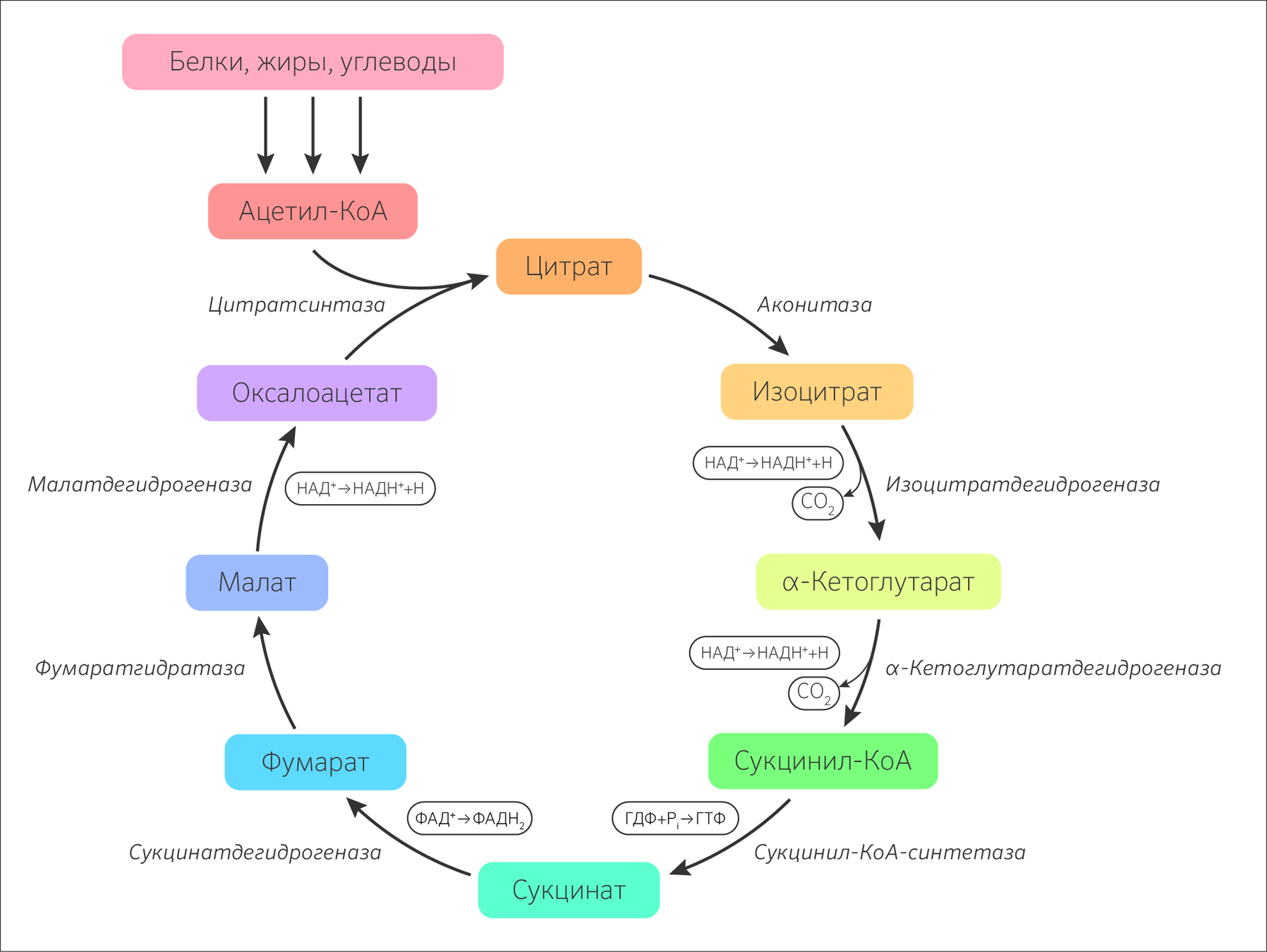
    The Krebs cycle (also known as the tricarboxylic acid cycle or citric acidcycle) is a key metabolic pathway that plays a central role in cellular respiration and energy metabolism. It occurs in the mitochondria of eukaryotic cells and is the main source of energy for most living organisms. The Krebs cycle was discovered by German biochemist Hans Krebs in 1937, for which he received the Nobel Prize in Physiology or Medicine in 1953.


    Basic function of the Krebs cycle

    The Krebs cycle performs several important functions:

    1. Power generation:
      • During the cycle, energy transfer molecules (NADH and fadh₂) are formed, which are then used in the respiratory chain to synthesize ATP (adenosine triphosphate) — the main energy ‘currency’ of the cell.
    2. Synthesis of precursors:
      • The Krebs cycle supplies intermediates for the synthesis of amino acids, fatty acids, glucose, and other important molecules.
    3. Nutrient oxidation:
      • In the cycle, acetyl-CoA (derived from carbohydrates, fats and proteins) is oxidized to carbon dioxide (co₂) with the release of energy.

    Stages of the Krebs cycle

    The Krebs cycle consists of 8 main steps, each of which is catalyzed by a specific enzyme. Here is a brief description of each stage:

    1. Citrate formation:
      • Acetyl-CoA (2-carbon compound) combines with oxaloacetate (4-carbon compound) to form citrate (6-carbon compound). It is catalyzed by the enzyme citrate synthase.
    2. Isomerization of citrate to isocitrate:
      • Citrate is converted to isocitrate through an intermediate called cis-aconitate. It is catalyzed by the enzyme aconitase.
    3. Oxidation of isocitrate to alpha-ketoglutarate:
      • Isocitrate is oxidized to α-ketoglutarate (5-carbon compound) with the release of co₂ and the formation of NADH. It is catalyzed by the enzyme isocitrate dehydrogenase.
    4. Oxidation of alpha-ketoglutarate to succinyl-CoA:
      • alpha-ketoglutarate is oxidized to succinyl-CoA with the release of co₂ and the formation of NADH. It is catalyzed by the enzyme α-ketoglutarate dehydrogenase.
    5. Conversion of succinyl-CoA to succinate:
      • Succinyl-CoA is converted to succinate (a 4-carbon compound) to form GTP (an analog of ATP). It is catalyzed by the enzyme succinyl-CoA synthetase.
    6. Oxidation of succinate to fumarate:
      • Succinate is oxidized to fumarate to form FADH₂. It is catalyzed by the enzyme succinate dehydrogenase.
    7. Hydration of fumarate to malate:
      • The fumarate is hydrated to malate. It is catalyzed by the enzyme fumarase.
    8. Oxidation of malate to oxaloacetate:
      • Malate is oxidized to oxaloacetate to form NADH. It is catalyzed by the enzymemalate dehydrogenase.

    Energy output of the Krebs cycle

    For one full Krebs cycle:

    • 3 NADH molecules and 1 fadh₂ molecule areformed, which are then used in the respiratory chain to synthesize ATP.
    • 1 GTP molecule is formed (equivalent to 1 ATP molecule).
    • 2 molecules of co₂ (oxidation product) are released.

    In the respiratory chain, NADH and fadh₂ generate:

    • 1 NADH → ~2.5-3 ATP.
    • 1 FADH → → ~1.5-2 ATP.

    Thus, the total energy output from one Krebs cycle is about 10-12 ATP molecules.


    Regulation of the Krebs cycle

    The Krebs cycle is regulated at several levels:

    1. Substrate concentration:
      • The availability of acetyl-CoA and oxaloacetate affects the cycle rate.
    2. Allosteric regulation:
      • Cycle enzymes are regulated by the concentration of ATP, ADP, NADH, and other molecules. For example, high levels of ATP inhibit the cycle, while high levels of ADP activate it.
    3. Hormone regulation:
      • Hormones such as insulin and glucagon affect the activity of cycle enzymes.

    Meaning of the Krebs cycle

    1. Energy field:
      • The Krebs cycle is the main source of energy for cells, especially in aerobic conditions.
    2. Anabolic:
      • Intermediates of the cycle are used to synthesize amino acids, nucleotides, and other important molecules.
    3. Catabolic:
      • The cycle completes the oxidation of carbohydrates, fats, and proteins to co₂ and water.

    Conclusion

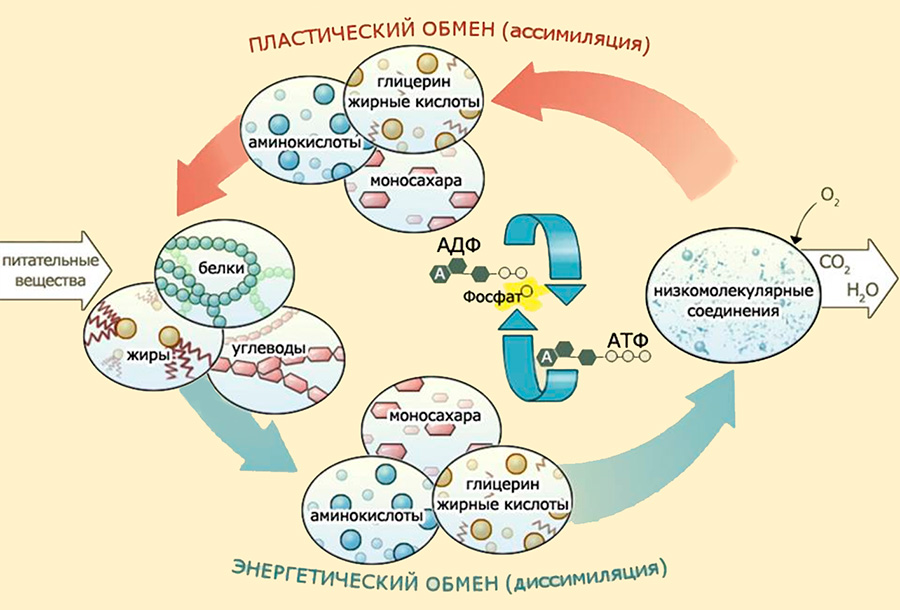
    The Krebs cycle is a fundamental process that links catabolism (breakdown of nutrients) with anabolism (synthesis of new molecules) and provides the cell with energy. Understanding it is important for studying biochemistry, medicine, and biology in general.